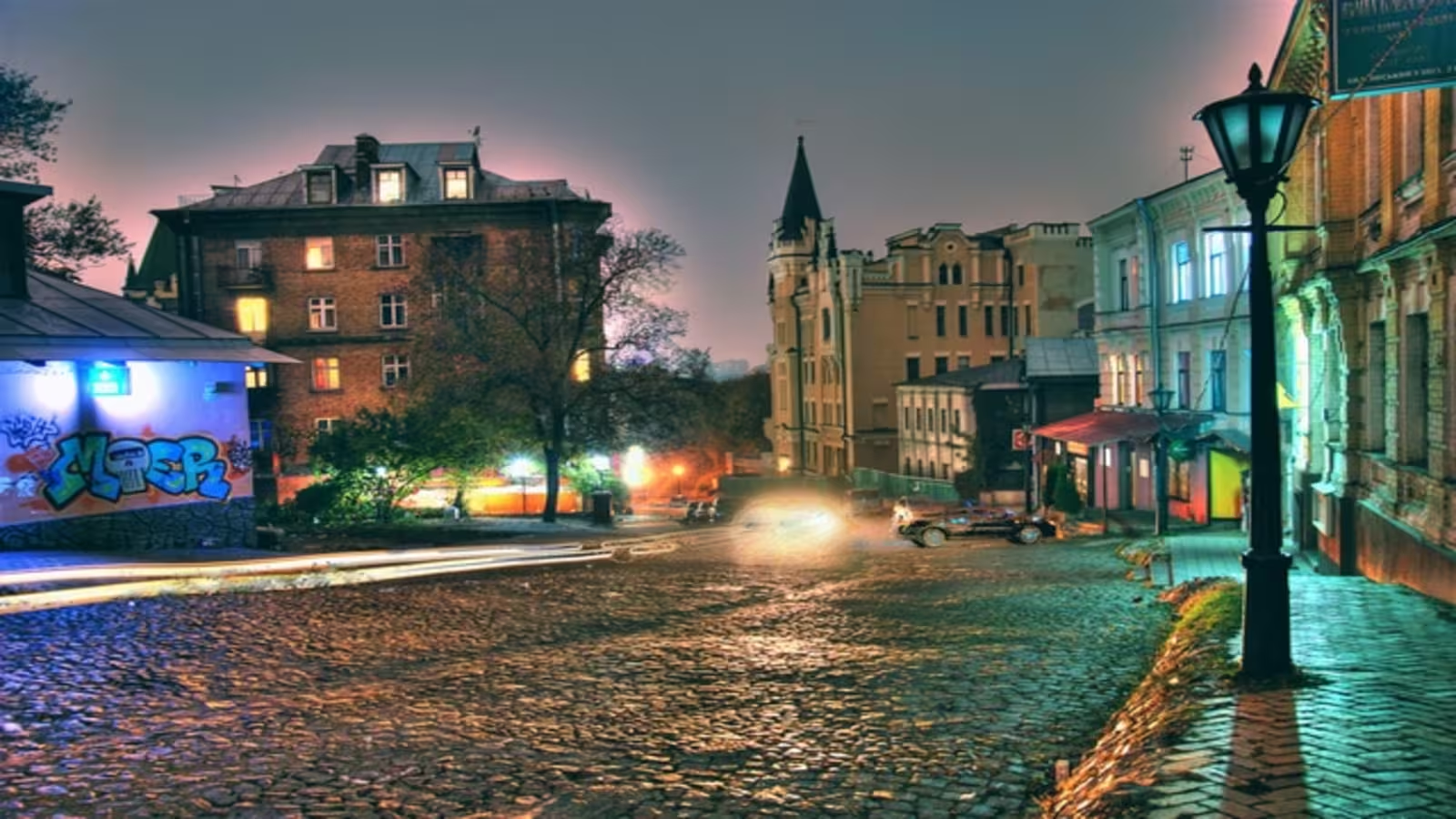
The world’s first museum devoted to the history of a single street. Two small halls in the very heart of Andriivskyi Descent hold more than a thousand years of its history – and more than 350 death masks of famous people from around the world.

Why visit

  • The world’s only museum devoted to the history of one street – the legendary Andriivskyi Descent, from the Apostle Andrew to the present day
  • More than 350 death masks: Shevchenko, Lesya Ukrainka, Petliura, Konovalets, Gogol, Dante, Atatürk – one of the largest collections in Europe
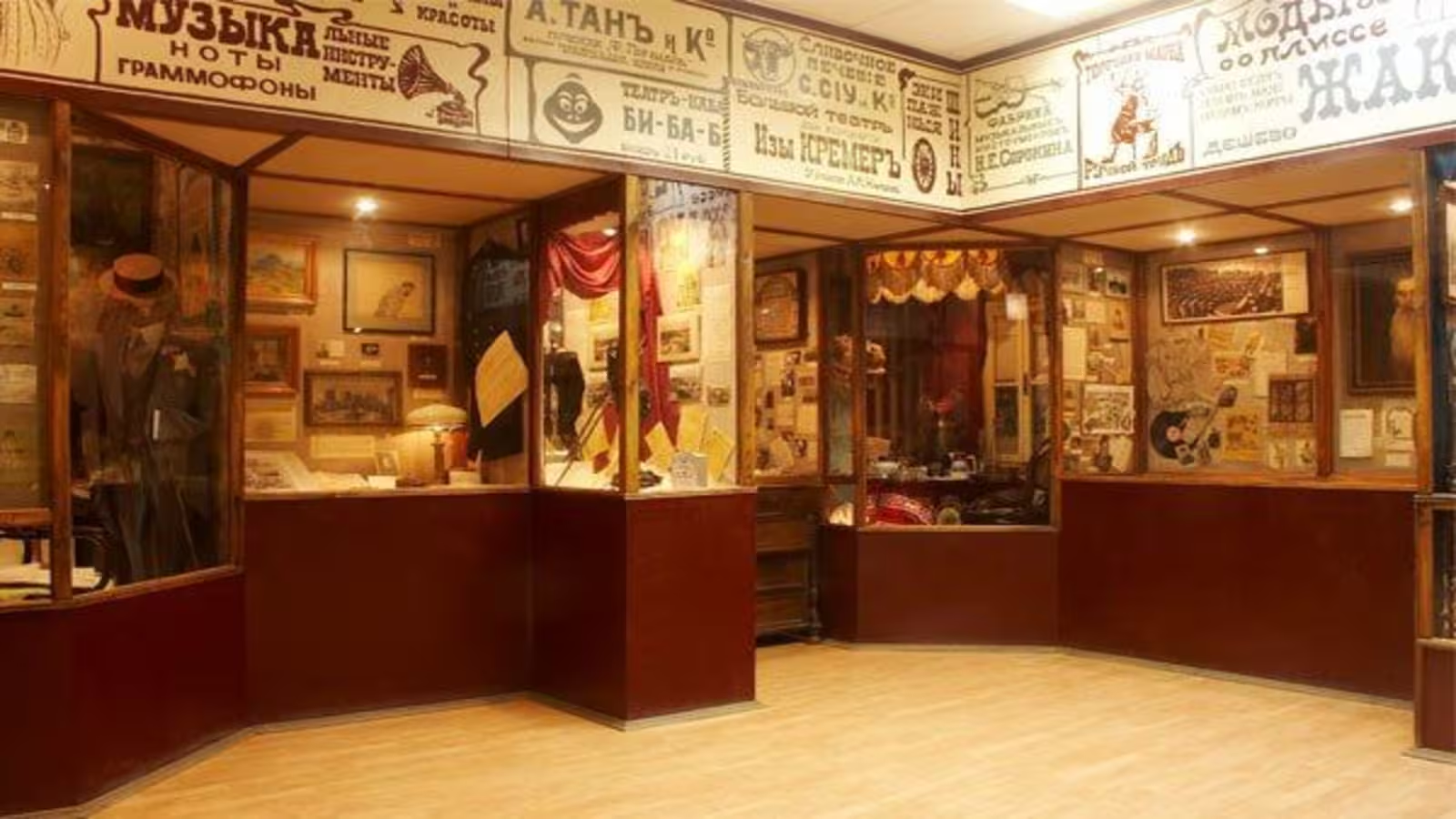
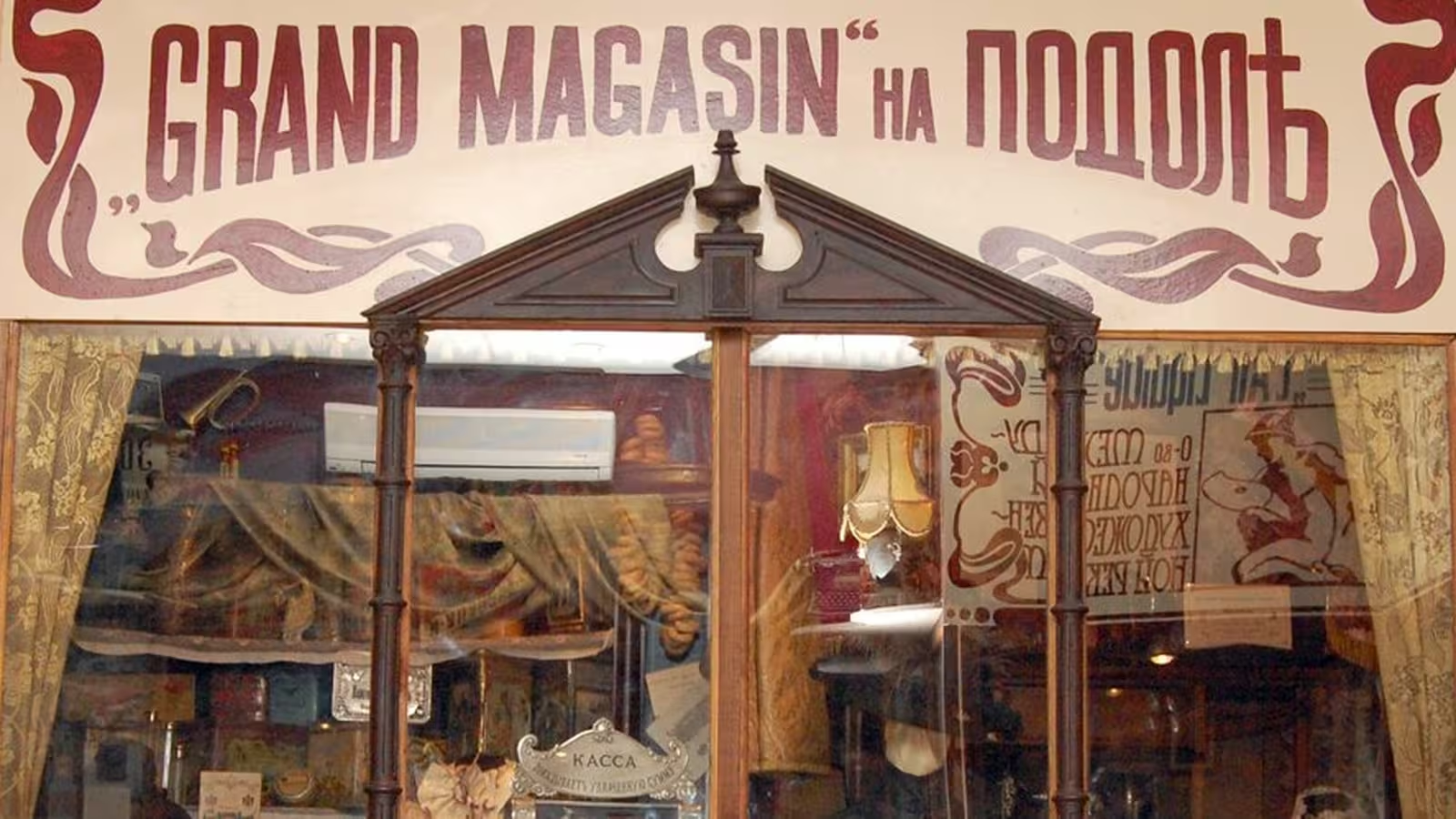
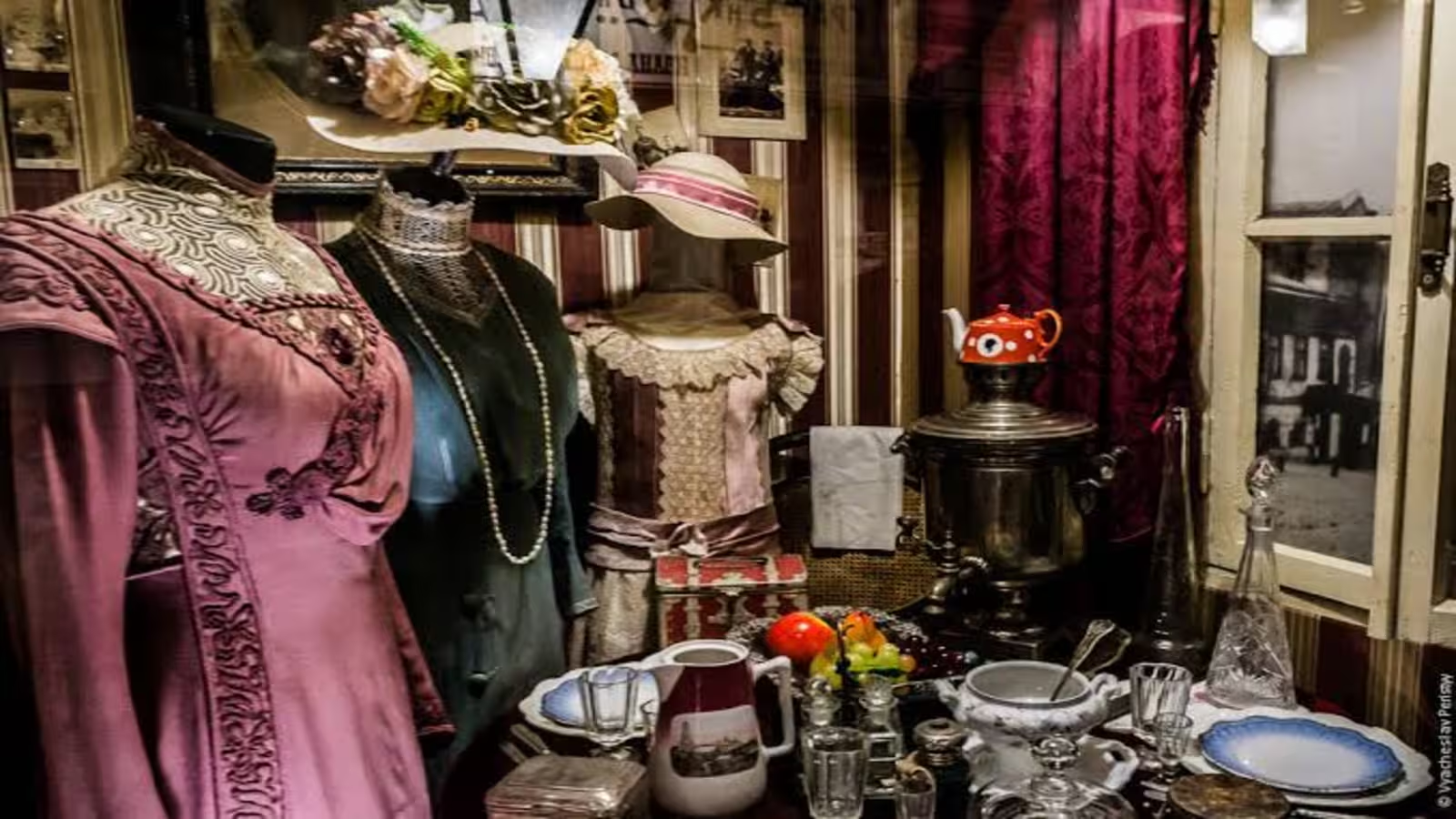
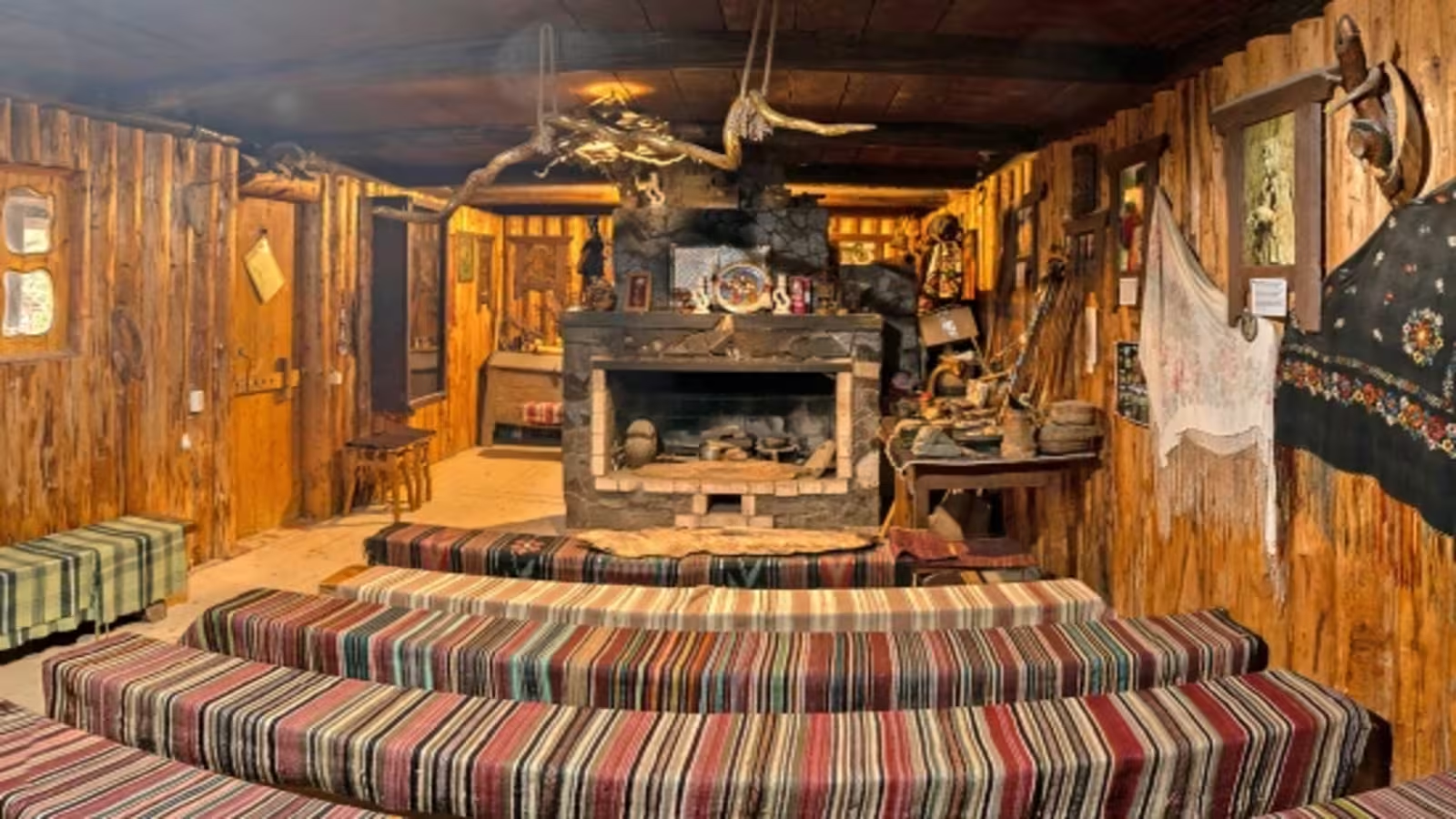
  • Instead of dull display cases – recreated interiors of Kyiv rooms, shops and workshops from the late 19th and early 20th centuries
  • Personal belongings of Bulgakov and of the prototypes of his Kyiv characters – doctors and teachers who lived nearby on the Descent
  • Separate displays on the “yellow tickets” and the Descent’s 19th-century brothels – history other museums avoid
  • A tiny museum in the middle of the Descent: the first Ukrainian nominee of the European Museum Forum under the auspices of the Council of Europe

Good to know

Open daily, no days off
The museum is open every day, Monday to Sunday, from 12:00 to 19:00.
Admission – UAH 200
A standard ticket costs UAH 200, reduced UAH 100.
Reduced ticket – with ID
The UAH 100 rate applies to school and university students and pensioners. Show the relevant document at the museum box office.
Box office on site
Tickets are sold at the museum box office. The museum does not yet sell its own tickets online.
Exhibitions change
Besides the permanent exhibition, the exhibition hall hosts temporary projects – historical, documentary and art shows. The death mask exhibition has been open to visitors since June 2026.
Tours by arrangement
The museum offers tours of its halls, including themed tours on the history and legends of the Descent. Check the price and language of the tour by phone in advance.
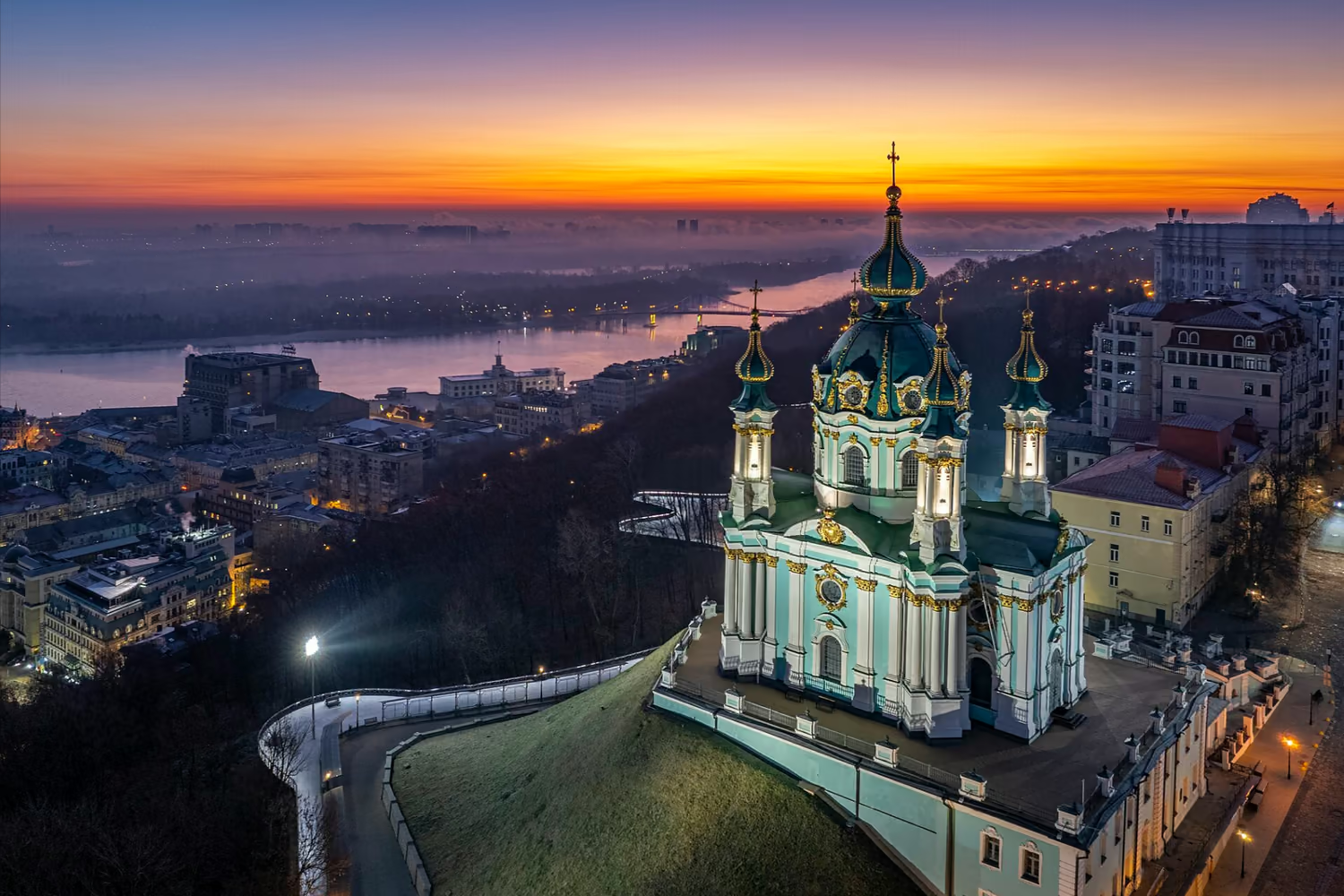
The museum’s main sensation right now is its collection of death masks, which the museum has been building since 2002 and which ranks among the three largest in the world, alongside German and American collections. Here Taras Shevchenko, Lesya Ukrainka, Symon Petliura, Yevhen Konovalets, Nikolai Gogol, Mariia Zankovetska and Mykhailo Starytskyi stand side by side with Dante, Kemal Atatürk, Vladimir Vysotsky and Dmitri Shostakovich. Each mask has its own detective story: Lesya Ukrainka’s mask was considered the “mask of an unknown woman” for decades and kept in the diaspora until an expert examination established whose face it was; the mask of English organist Walter Parratt was bought by the museum on eBay; Shostakovich’s mask was donated by the daughter of the sculptor who made it. The permanent exhibition is not a set of labeled display cases but recreated interiors of Kyiv rooms, shops and workshops from the late 19th and early 20th centuries. Each house on Andriivskyi Descent is represented by the belongings of people who actually lived there: painters Fotii Krasytskyi, Hryhorii Diadchenko and Ivan Makushenko, sculptors Fedir Balavenskyi and Ivan Kavaleridze, writer Hryhir Tiutiunnyk, professors of the Kyiv Theological Academy, doctors – and also tailors, tavern keepers and ordinary townspeople of Podil. A separate story is Mikhail Bulgakov, who lived on the Descent in house No. 13. The museum has collected not only his personal belongings but also those of his prototypes – the doctors and teachers on whom the writer based his Kyiv characters. Several display cases are devoted to St. Andrew’s Church and to Richard the Lionheart’s Castle with its ghost legend: as early as the beginning of the 20th century this house attracted Kyiv artists, and the museum owns a unique collection of their works. The exhibition does not shy away from uncomfortable topics. Separate displays tell how in the 19th century Andriivskyi Descent was officially one of the streets with brothels: they show the medical cards of the women of the time – the “yellow tickets”, the rules for running such establishments and the city decrees that later moved the brothels from the Descent to the outskirts after complaints from the clergy. There is also a merrier section – the atmosphere of the comedy “Chasing Two Hares”, which is set right here, by St. Andrew’s Church. The museum was founded by the Maister art association in 1991; at first it was in house No. 22-B, and in December 1998 it moved to its current premises at the start of the Descent. In 2002 it was nominated for the European Museum Forum under the auspices of the Council of Europe – the first and at that time the only Ukrainian museum in the competition. The exhibition hall regularly hosts changing historical, art and documentary projects, so a repeat visit almost always means new material.

Tours that visit this place