High Castle Park. A free walk up Lviv’s highest hill: a grotto with stone lions, a viewing platform, alleys and flower beds
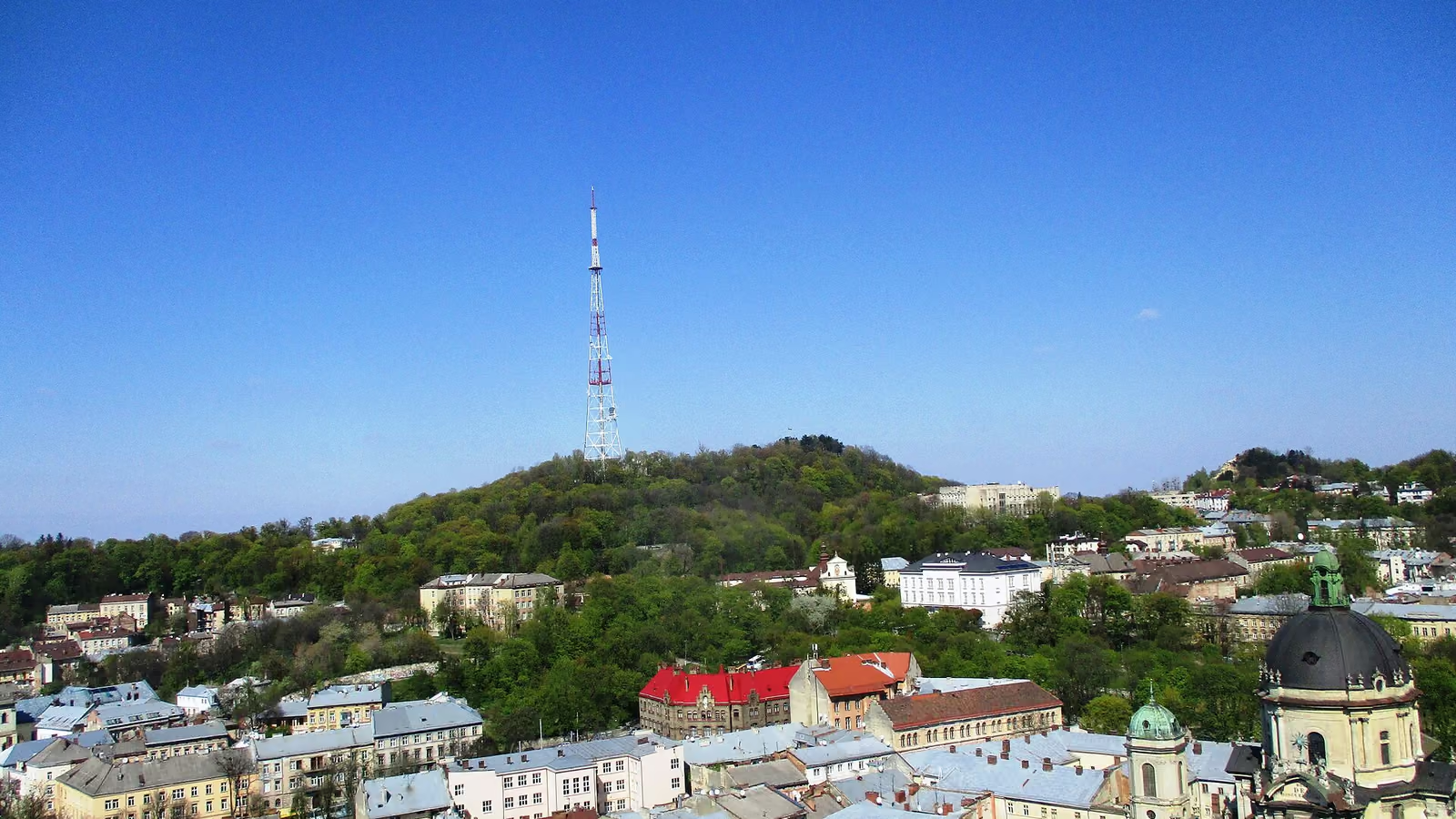
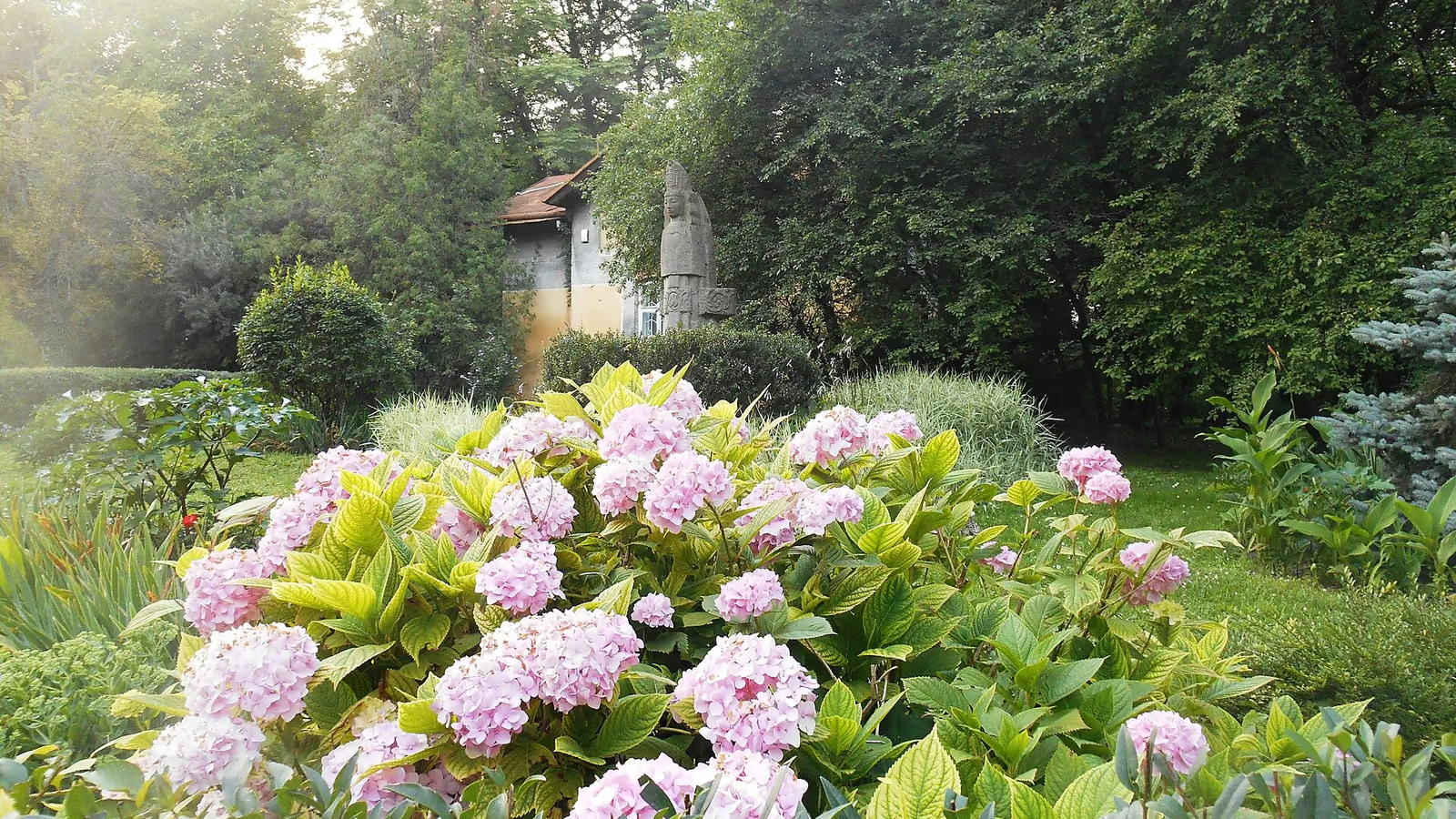
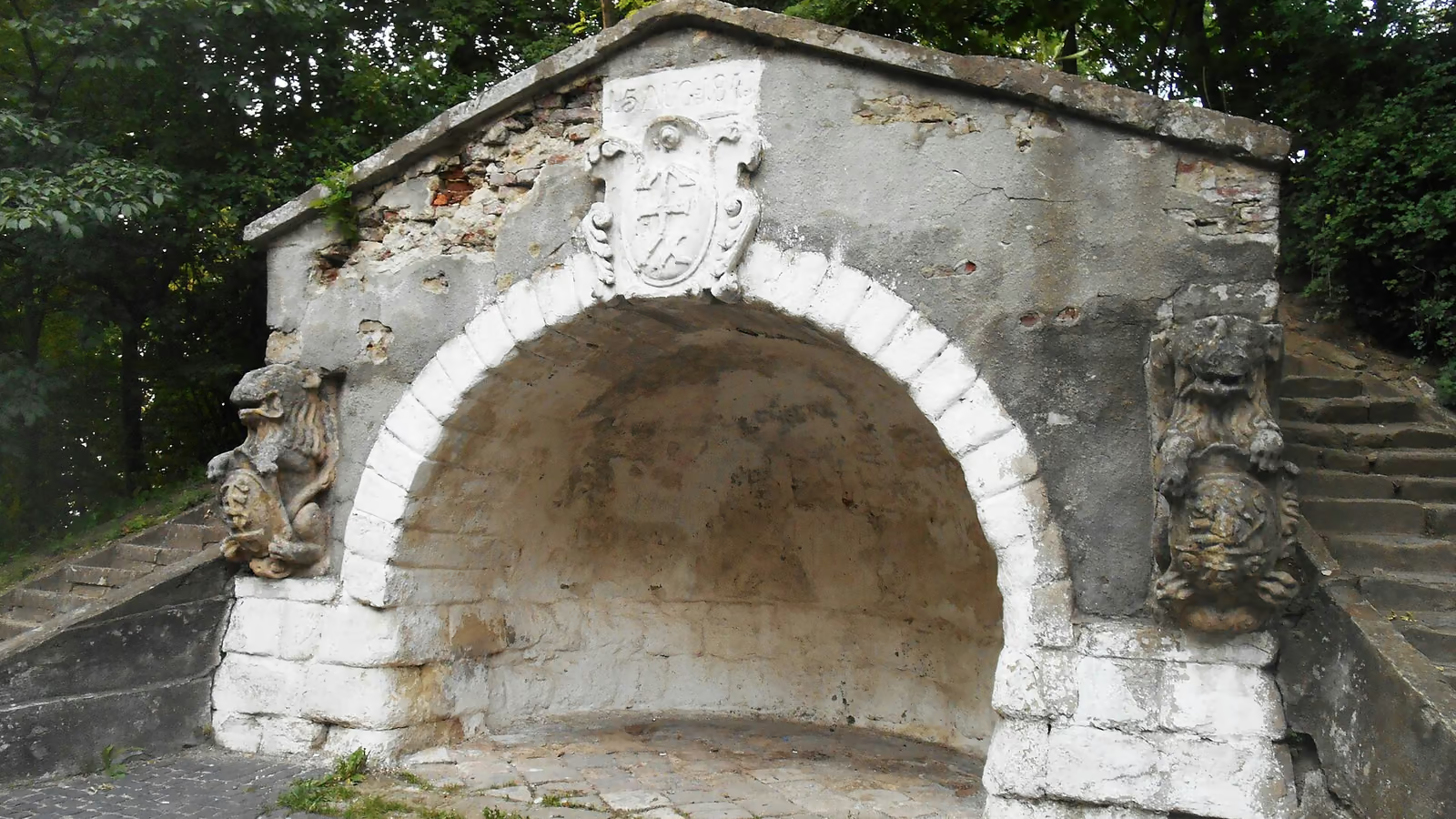
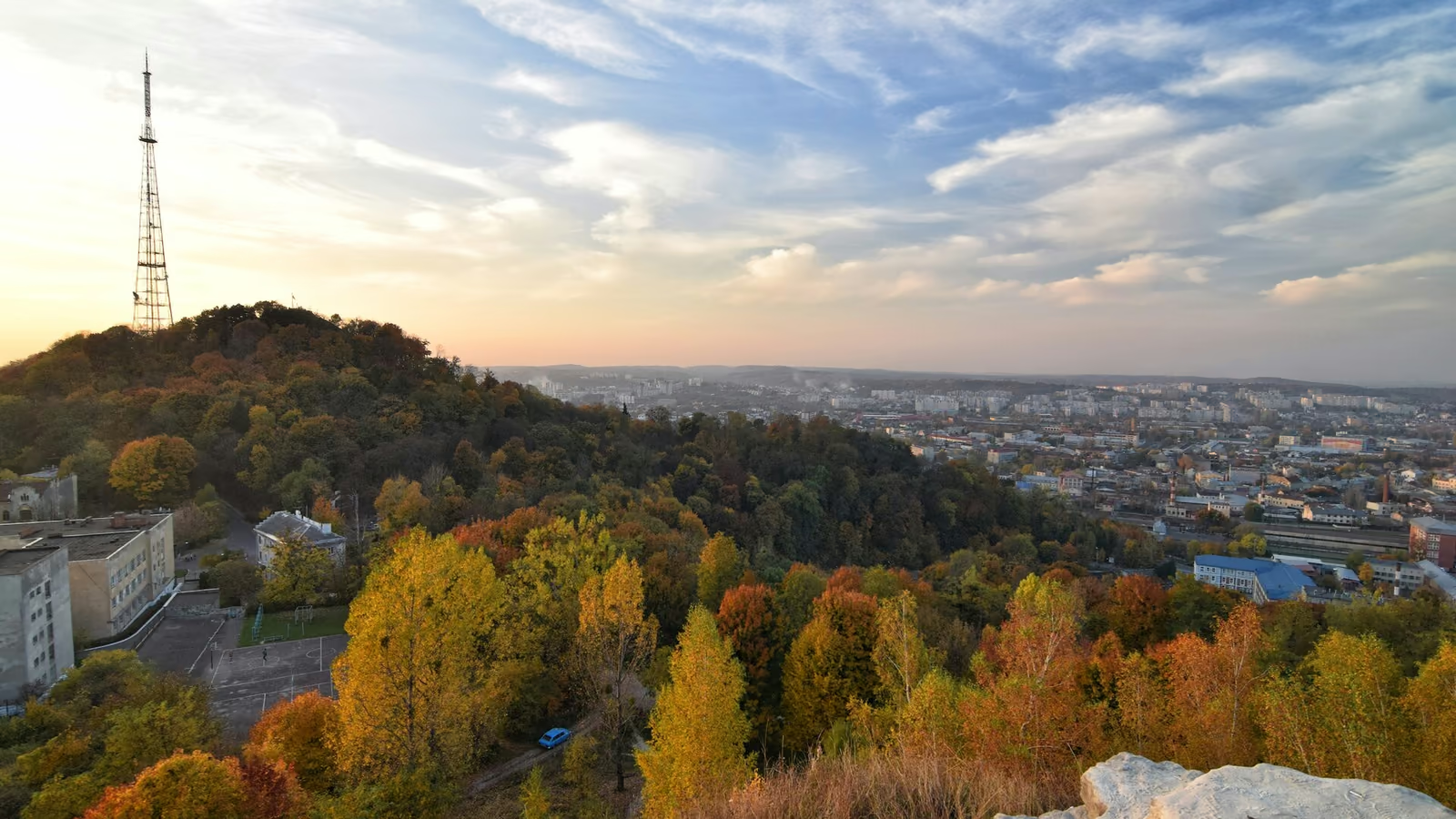
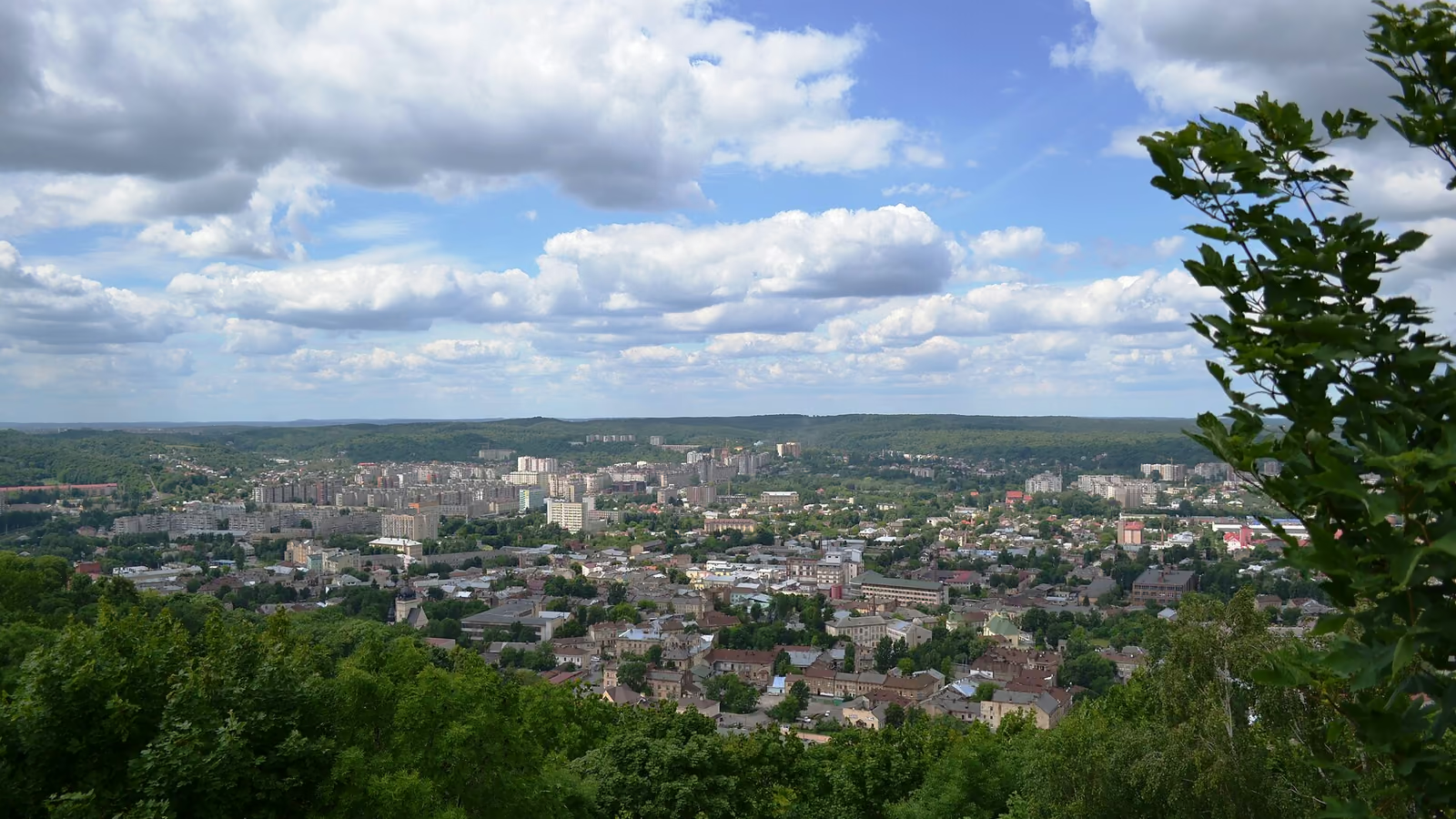
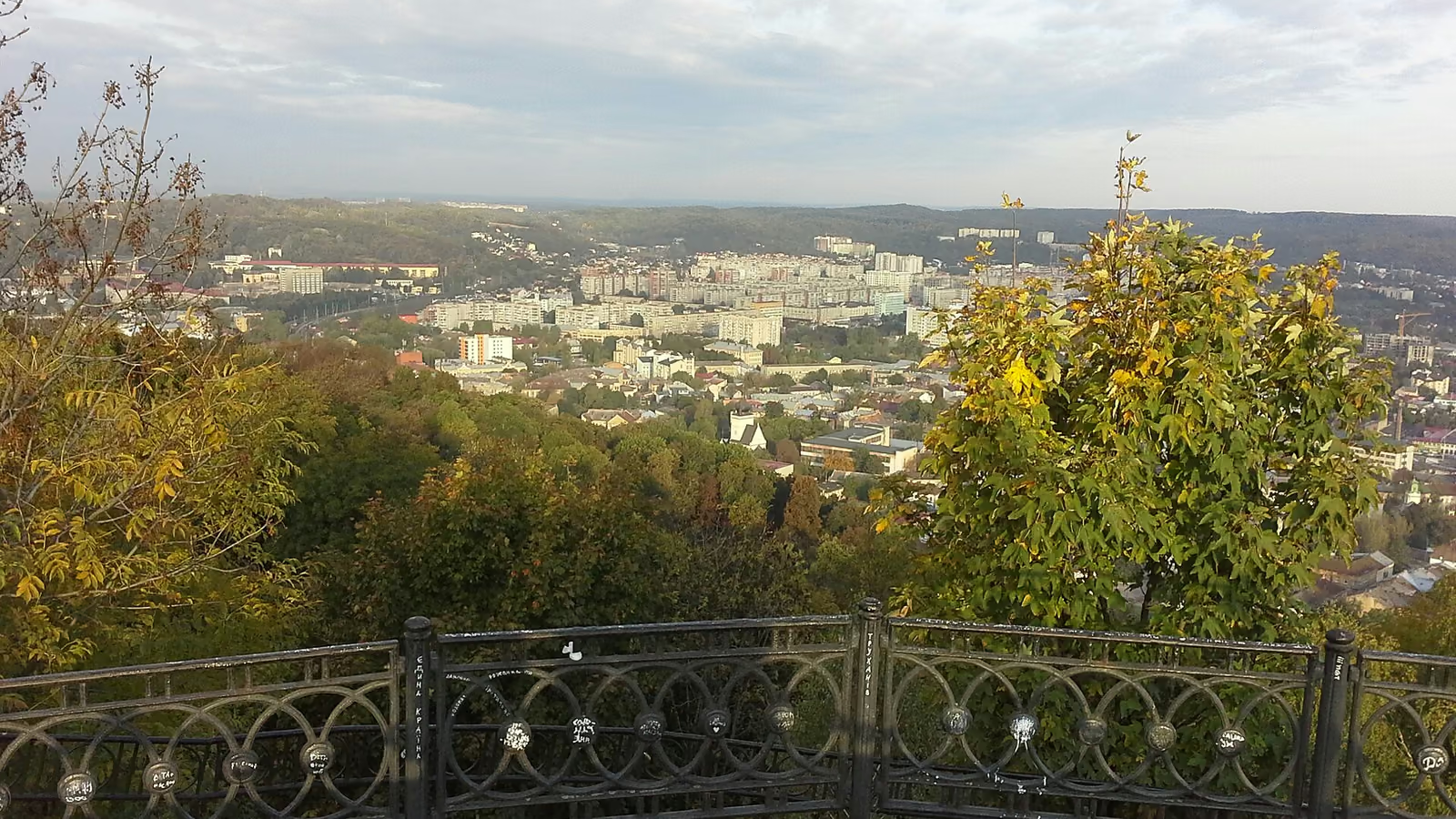
High Castle Park is a landmark of landscape art on Castle Hill, Lviv’s highest hill, where a princely castle once stood. It has shady alleys, formal flower beds, a gardener’s house, a grotto with stone lions and a viewing platform on the lower terrace. Entry is free, so you can come for a morning walk or in the evening.
Why visit
- Castle Hill is Lviv’s highest point, 413 meters above sea level, where the princely High Castle once stood
- An artificial grotto from 1841, its entrance guarded by stone lions that once stood by the old town hall
- The lower terrace with shady promenades, formal flower beds with roses, lavender and peonies, and the gardener’s house of 1868
- More than fifty species, forms and varieties of trees, shrubs and vines – from ginkgo and catalpa to copper beech
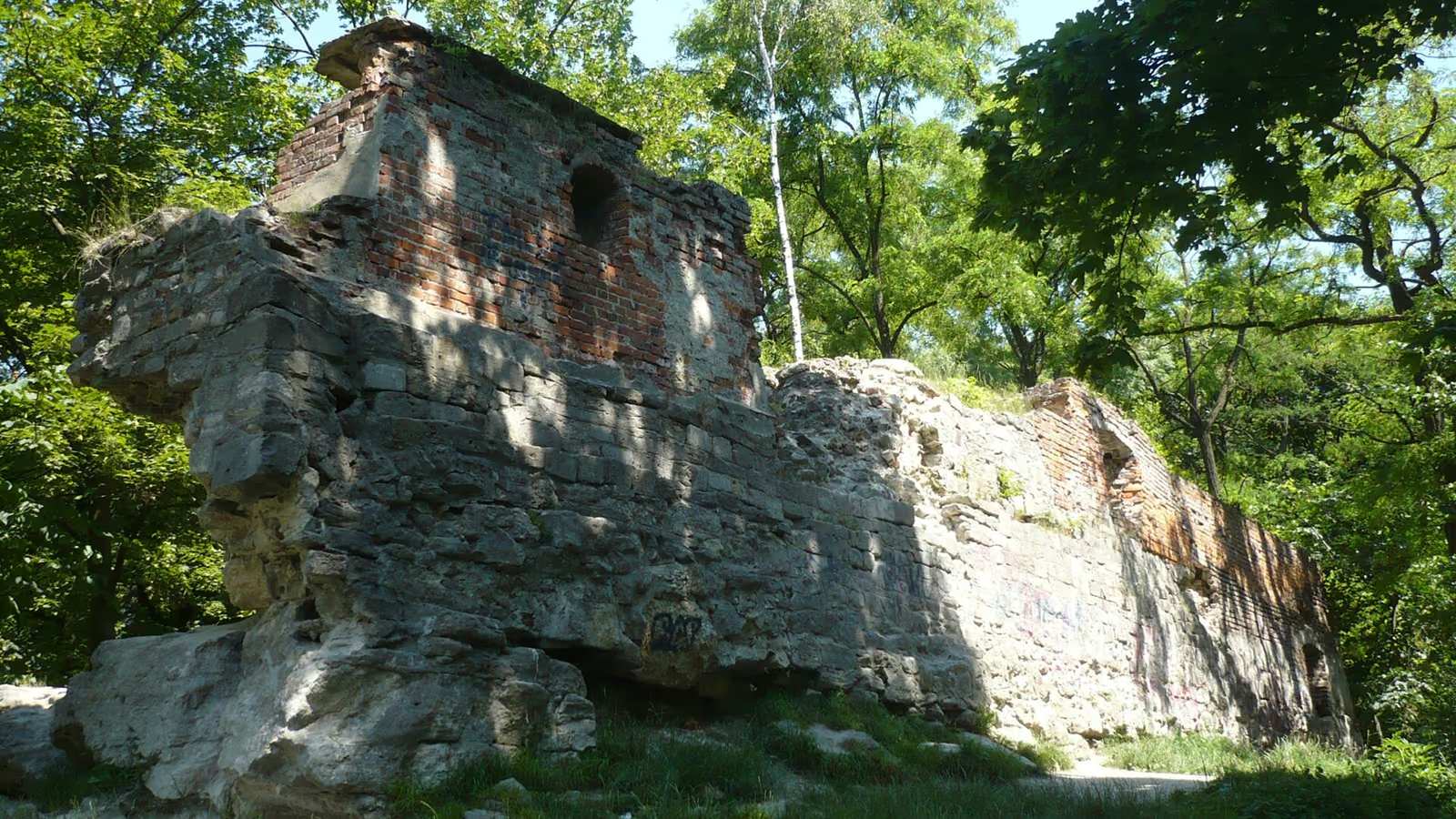
- Memorials to Maksym Kryvonis and King John Sobieski, and a fragment of a princely-era defensive wall at the foot of the mound
- Entry to the park is free, so it is great for morning and evening walks and family outings
Good to know
Price
Entry to the park is free; no tickets needed.
The mound is closed
The Union of Lublin Mound and its upper viewing platform are closed to visitors: the mound is eroding and needs reinforcing. The lower terrace, the alleys and the grotto are open.
What’s in the park
The gardener’s house of 1868, the artificial grotto of 1841 with stone lions, the viewing platform on the lower terrace, and memorials to Maksym Kryvonis and King John Sobieski.
Entrances
The main entrance is from Kryvonosa Street, a second one from Zamkova Street; paths also lead up the hill from Pidzamche.