Shevchenkivskyi Hai. An open-air museum: wooden churches, thatched cottages and mills from all over Western Ukraine
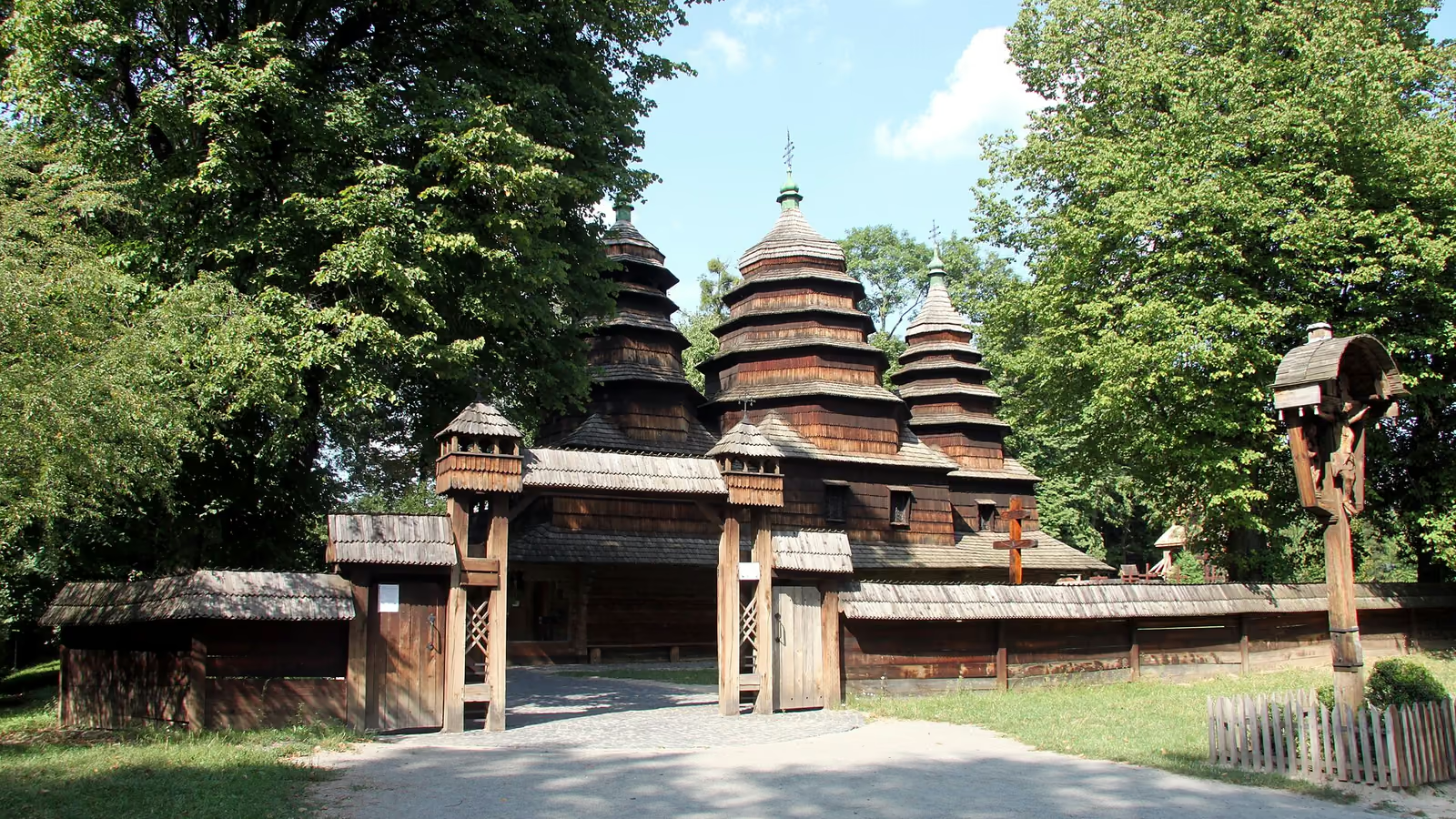
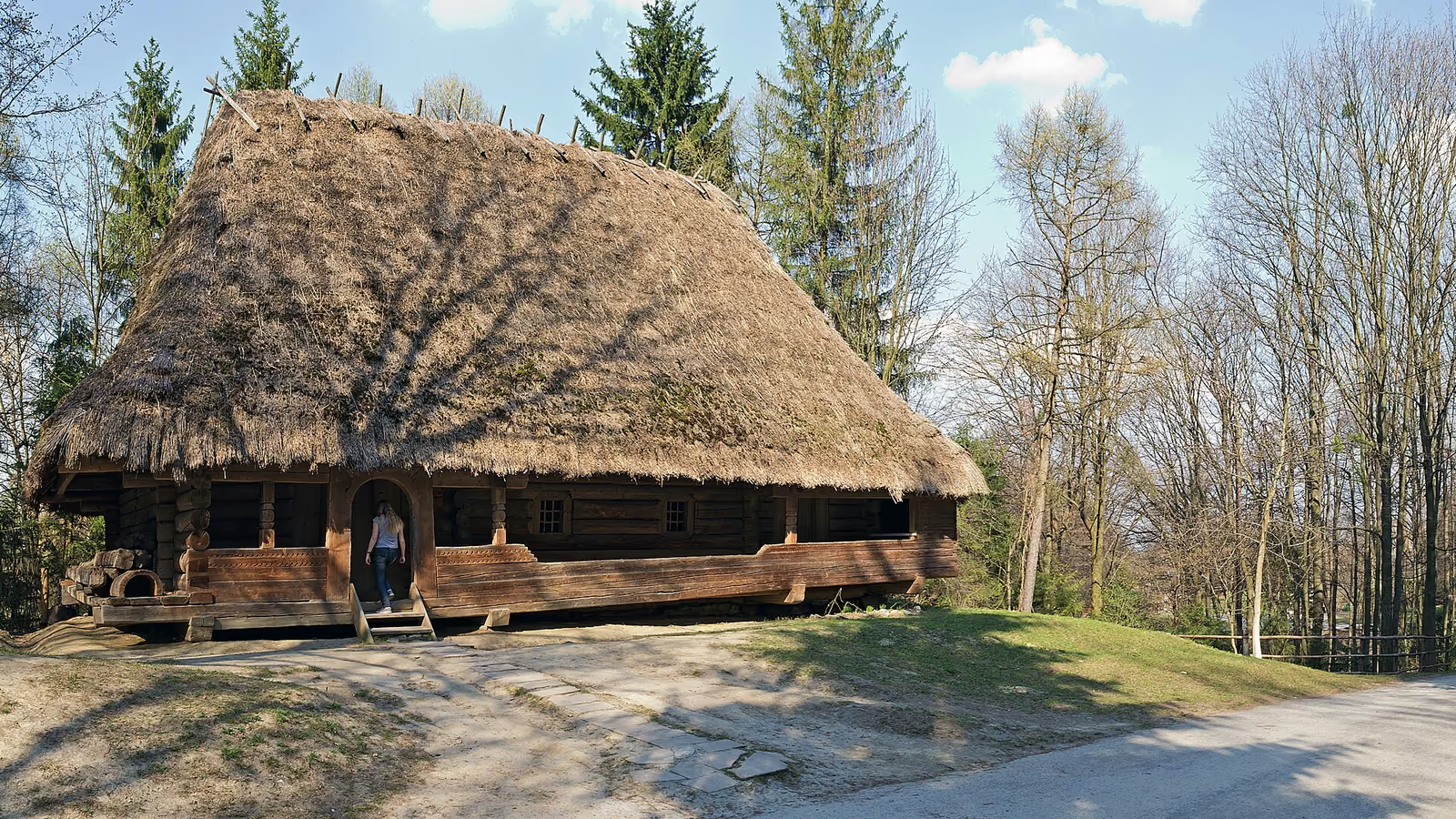
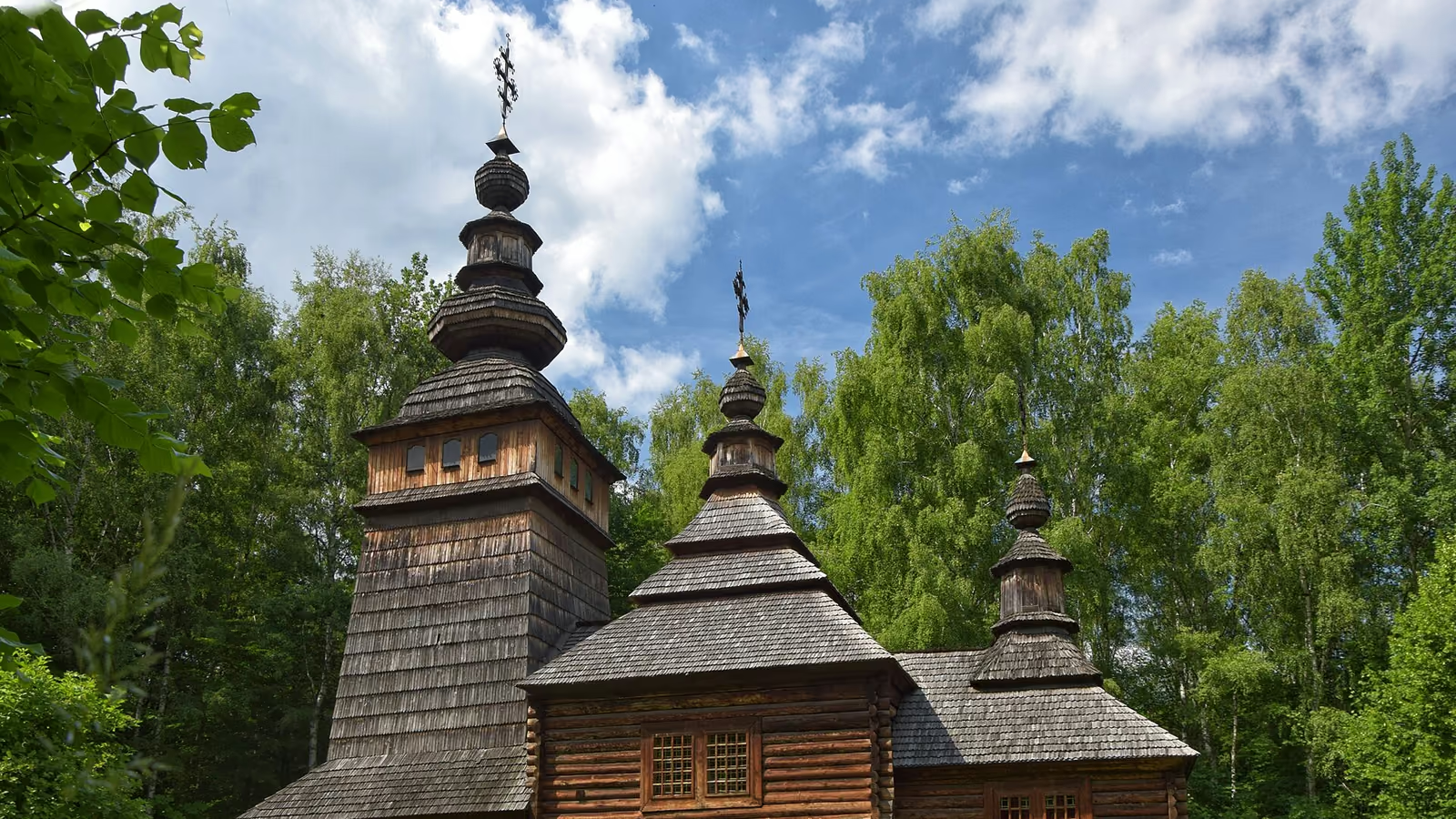
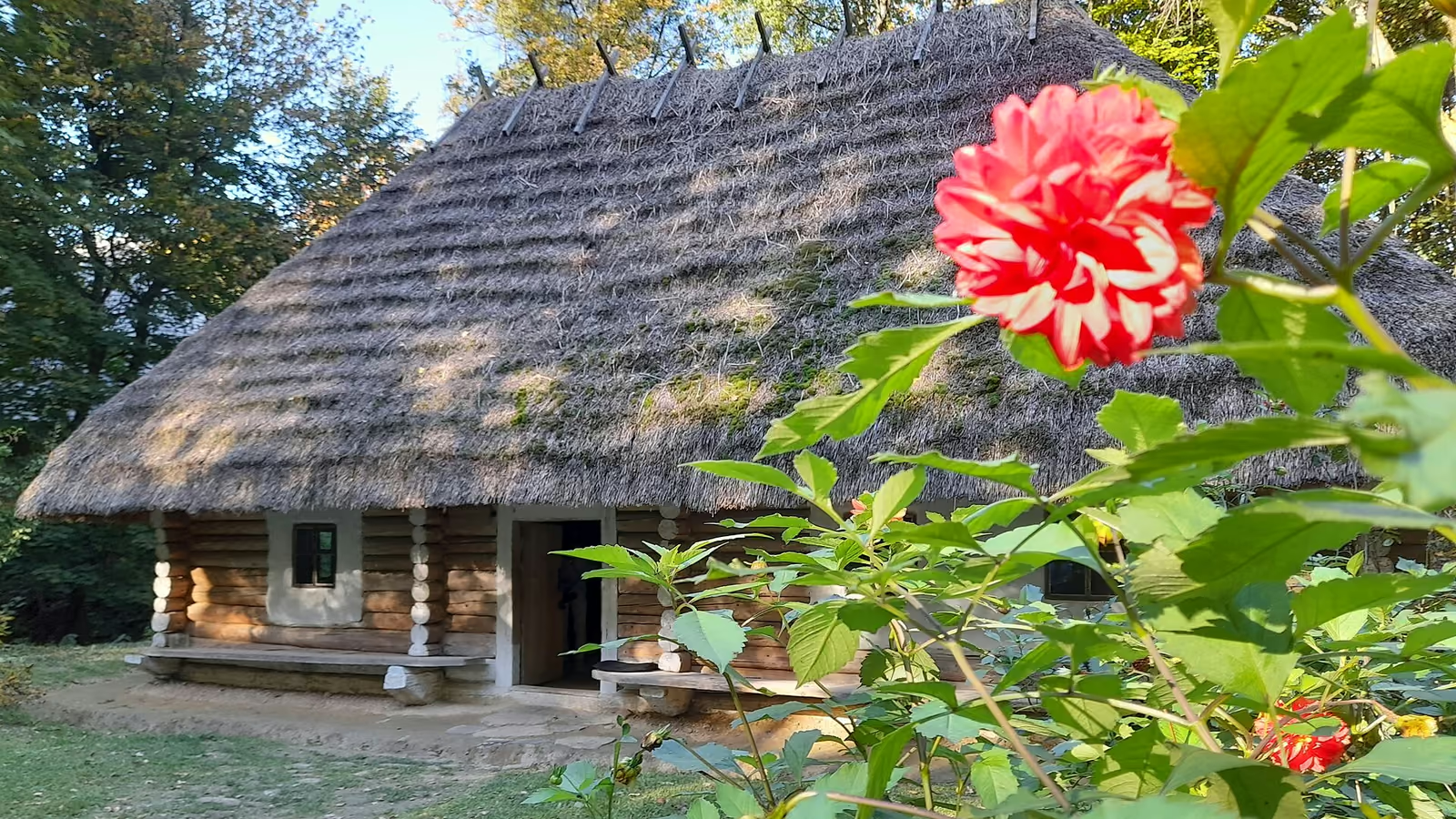
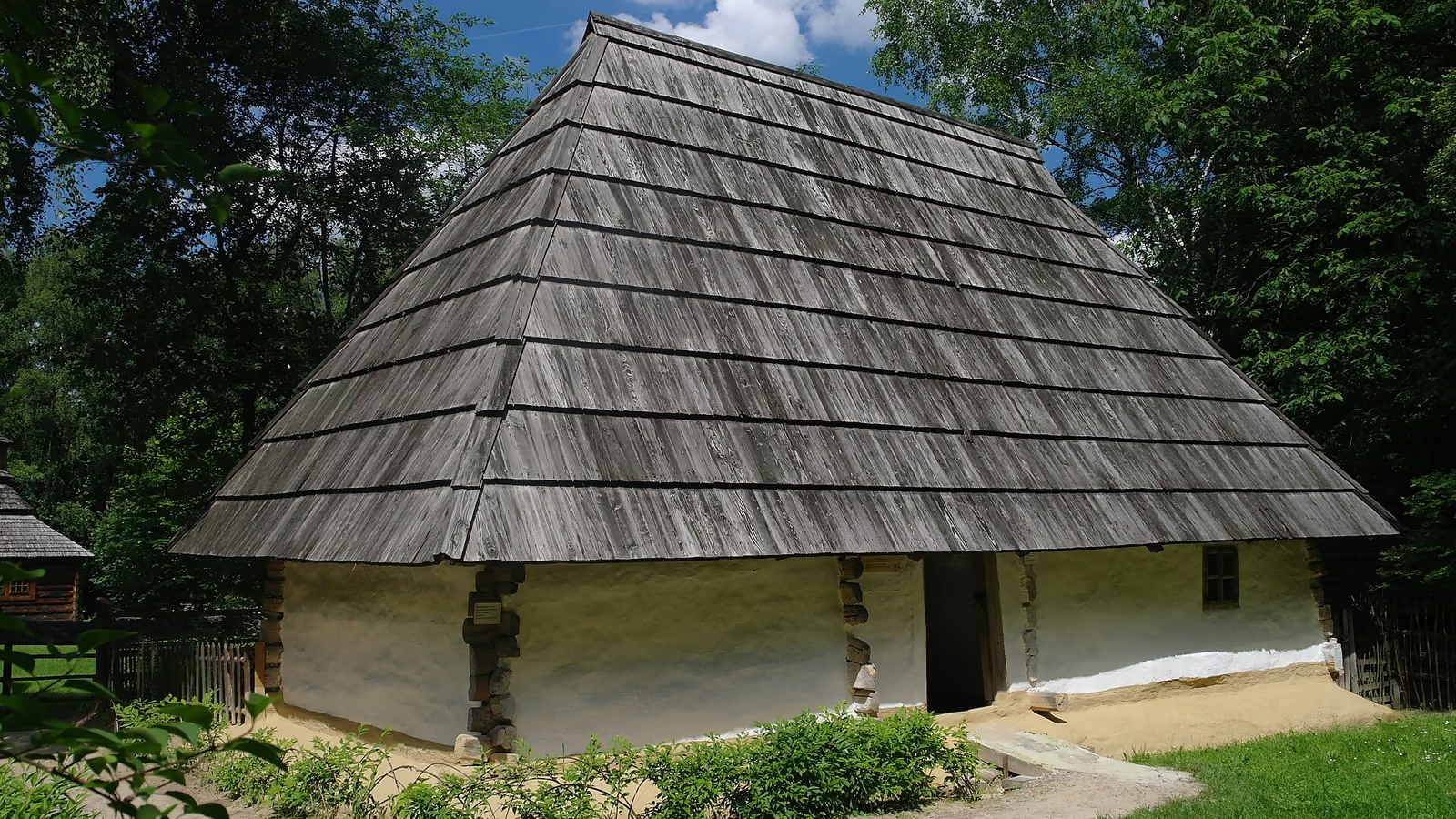
Shevchenkivskyi Hai is the Klymentii Sheptytskyi Museum of Folk Architecture and Rural Life, one of the largest open-air museums in Ukraine. More than a hundred old buildings stand on the wooded slopes of Chernecha Hora: thatched houses, granaries, mills and wooden churches from Boikivshchyna, Lemkivshchyna, Hutsulshchyna, Bukovyna, Podillia and other parts of Western Ukraine. In a few hours you can walk around a whole village of past centuries.
Why visit
- More than a hundred old buildings from different regions of Western Ukraine on the slopes of wooded Chernecha Hora
- The largest collection of wooden sacred buildings in Europe: churches, bell towers and chapels under shingle roofs
- Micro-villages of Boikivshchyna, Lemkivshchyna, Hutsulshchyna, Bukovyna and Podillia with authentic interiors of old houses and homesteads
- Forest paths, ponds and meadows make for a great day out for the whole family
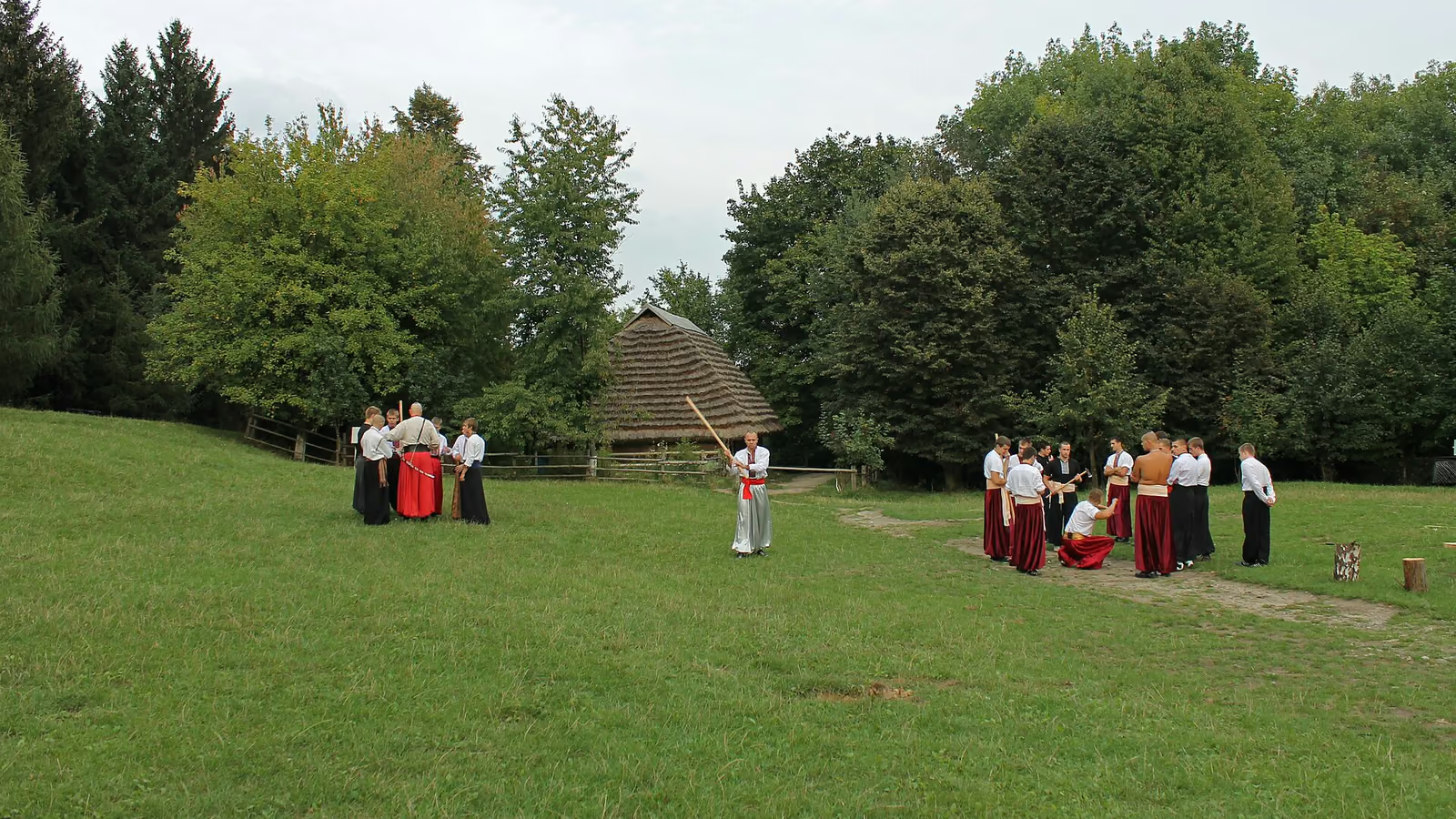
- Workshops, fairs and folk holidays with live music, dancing and traditional crafts in the open air
- A whole village of past centuries just two and a half kilometers from Rynok Square
Good to know
Ticket prices
General ticket UAH 200, reduced for school and university students UAH 100, family ticket for two adults with children UAH 500. Tickets are sold at the box office by the museum entrance.
Opening hours
The box office and the museum grounds are open daily from 10:00 to 18:00. The homestead interiors and exhibition halls are open Wednesday to Sunday from 10:00 to 17:00 and closed on Mondays and Tuesdays.
Guided tours
A general tour in Ukrainian costs UAH 800 for a group of up to 10 people and UAH 1,200 for a group of 11–20 people; a tour in a foreign language starts at UAH 1,200.
Holidays and fairs
During fairs and holiday events the admission price may differ from the usual one; the museum posts current prices in its event announcements.
Best shots
It is most beautiful here in May and in early autumn: wooden churches among the greenery, thatched houses and ponds with irises.
Good to know
The grounds are large and hilly, with dirt paths and stairs, so allow several hours for a walk and wear comfortable shoes.