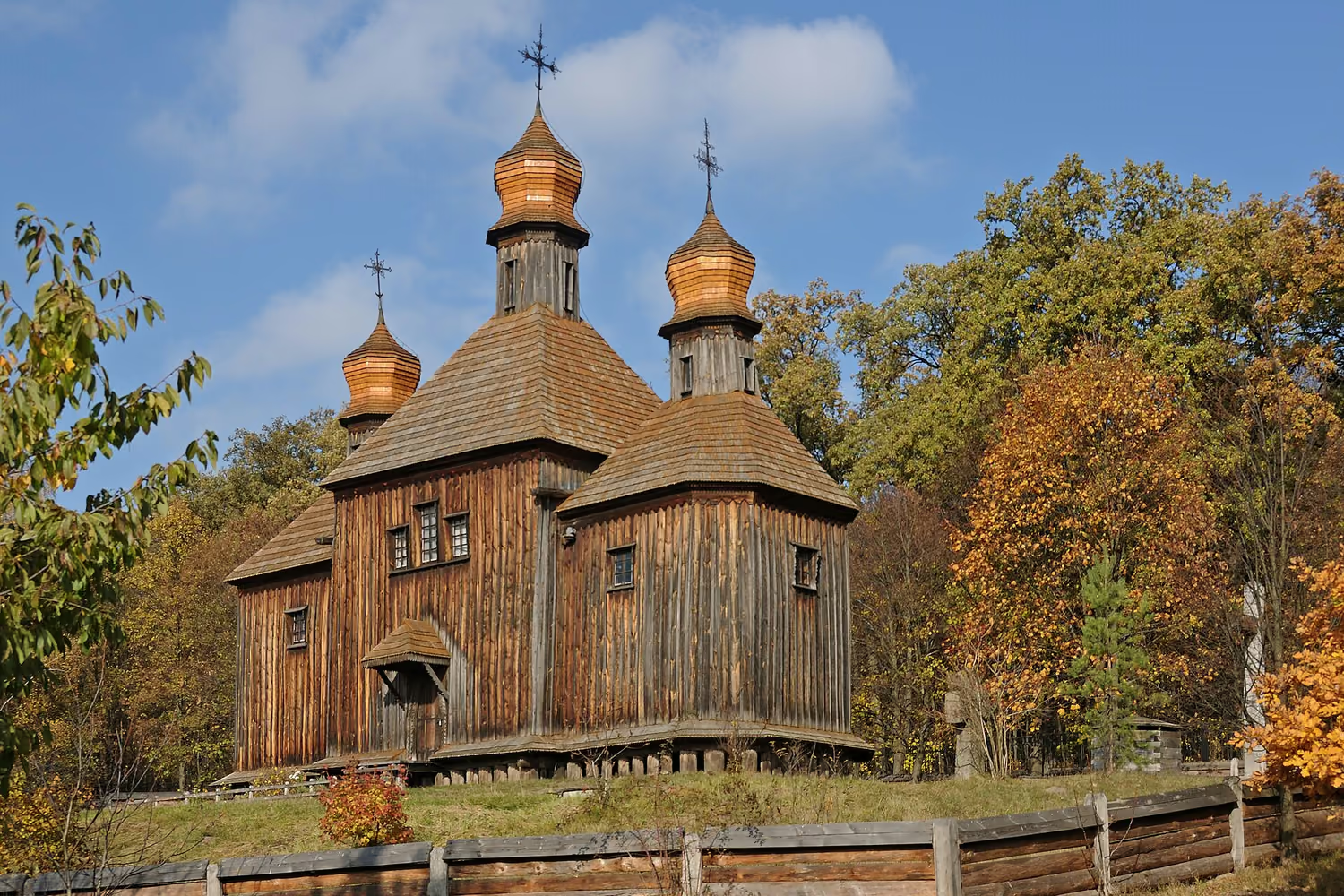
Pyrohiv Open-Air Museum. 133 hectares, seven historical and ethnographic regions and more than 300 authentic buildings from all over Ukraine
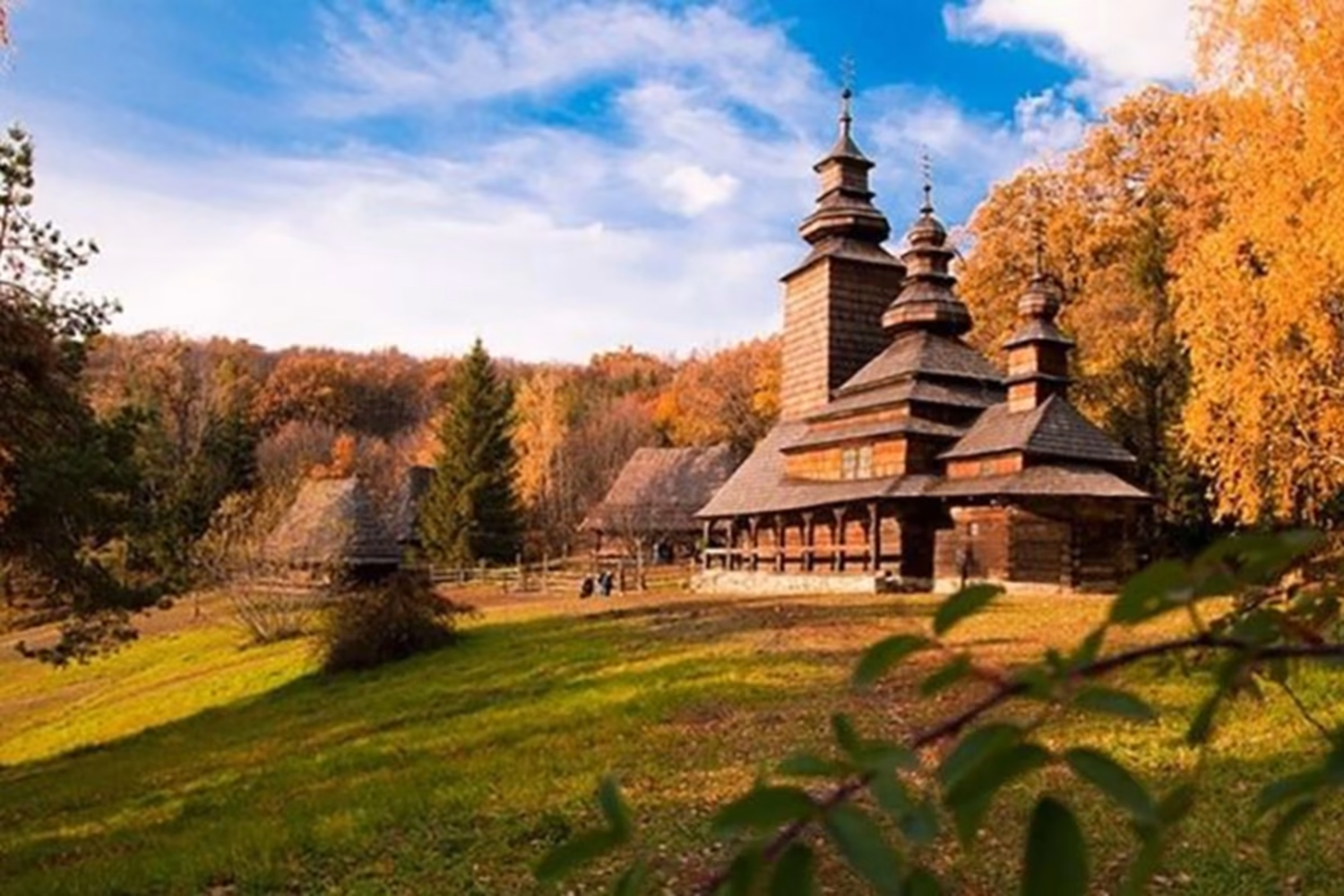
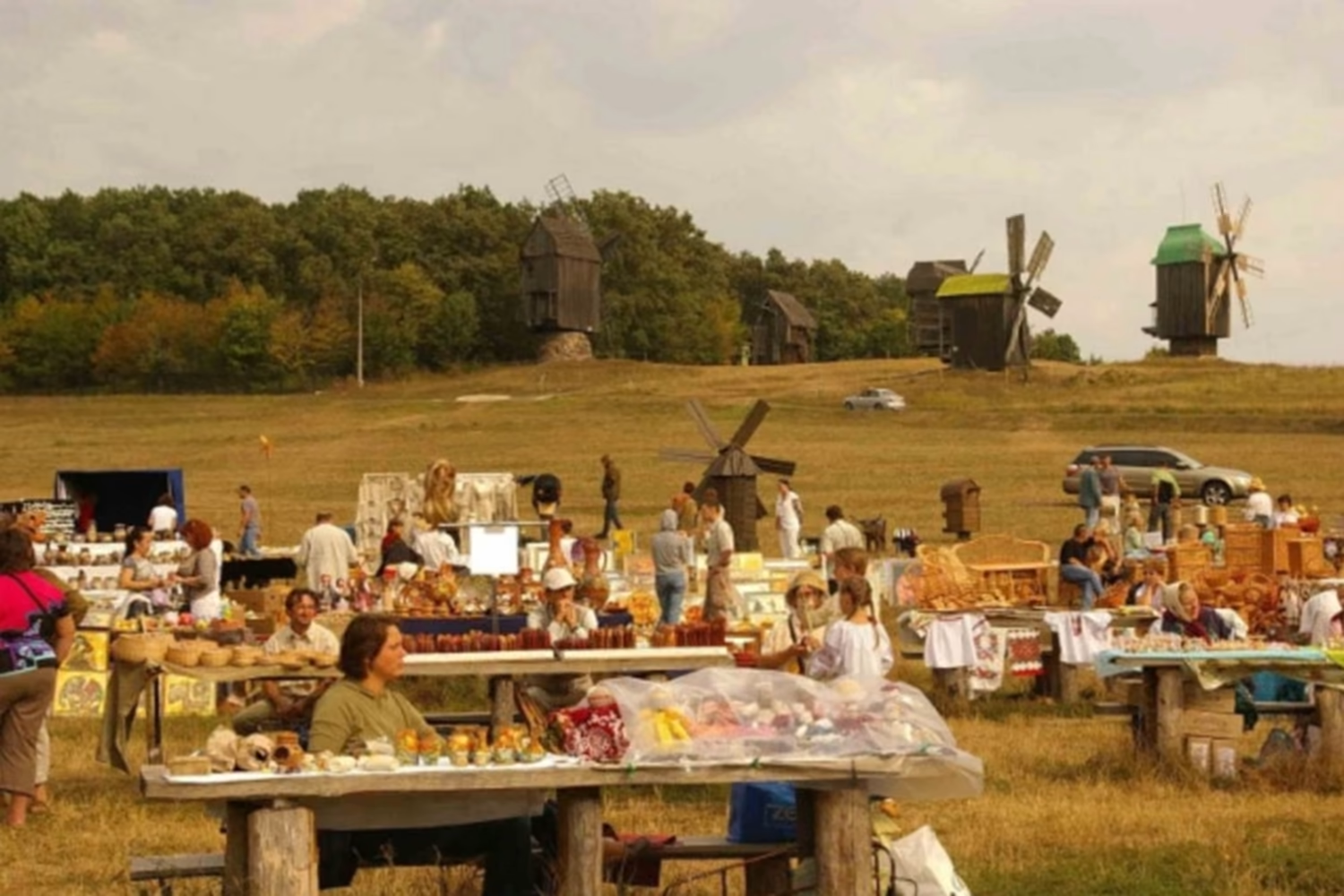
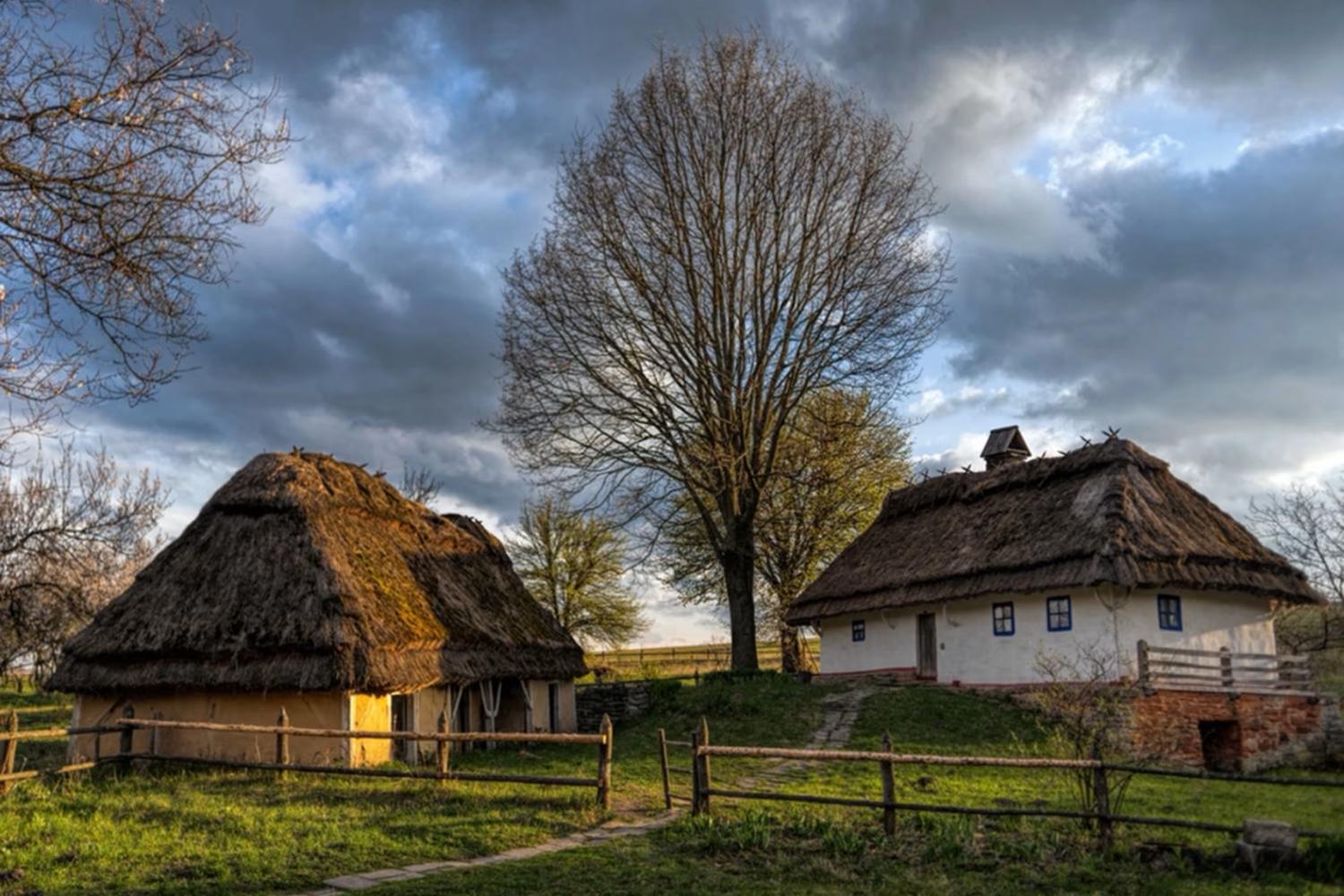
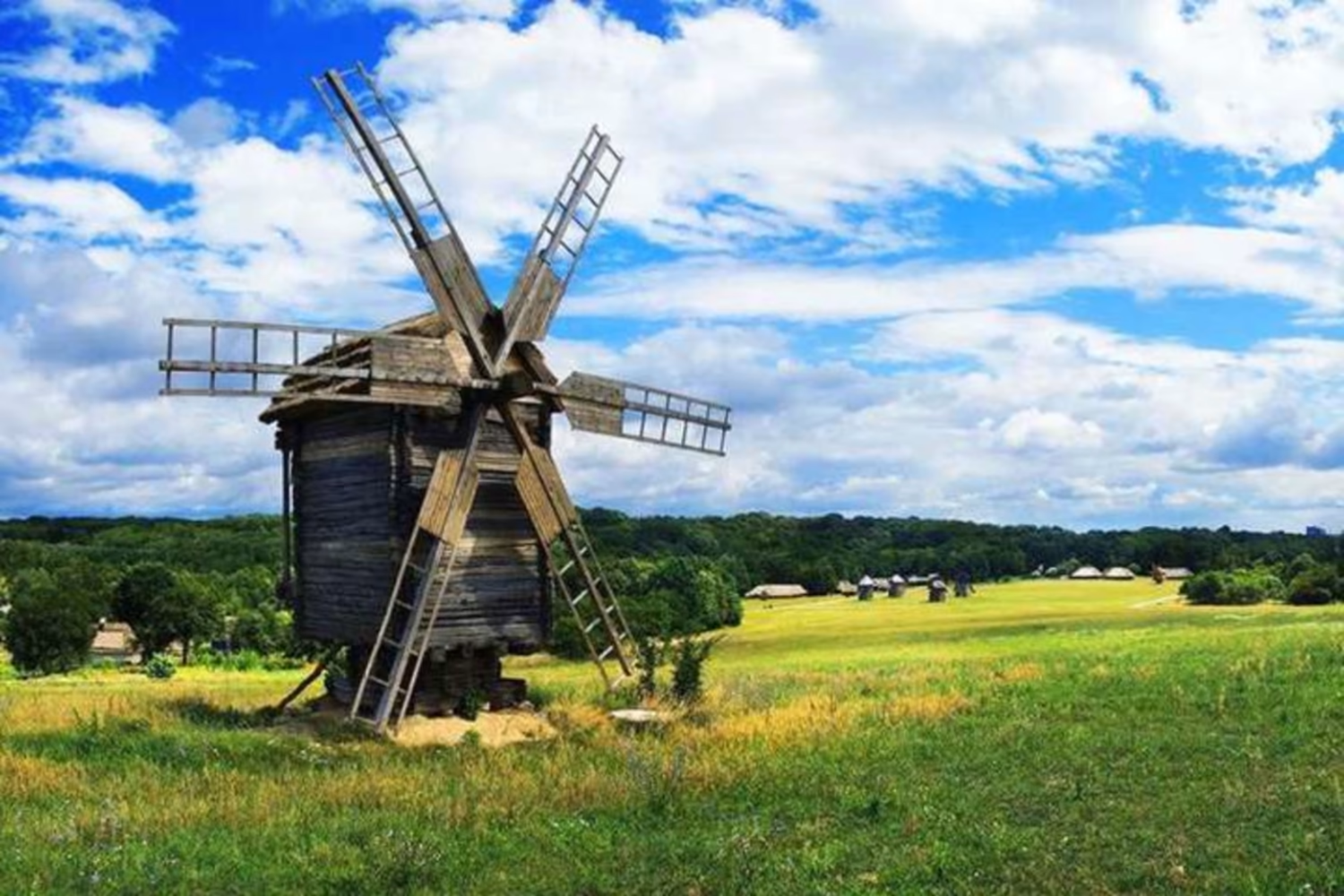
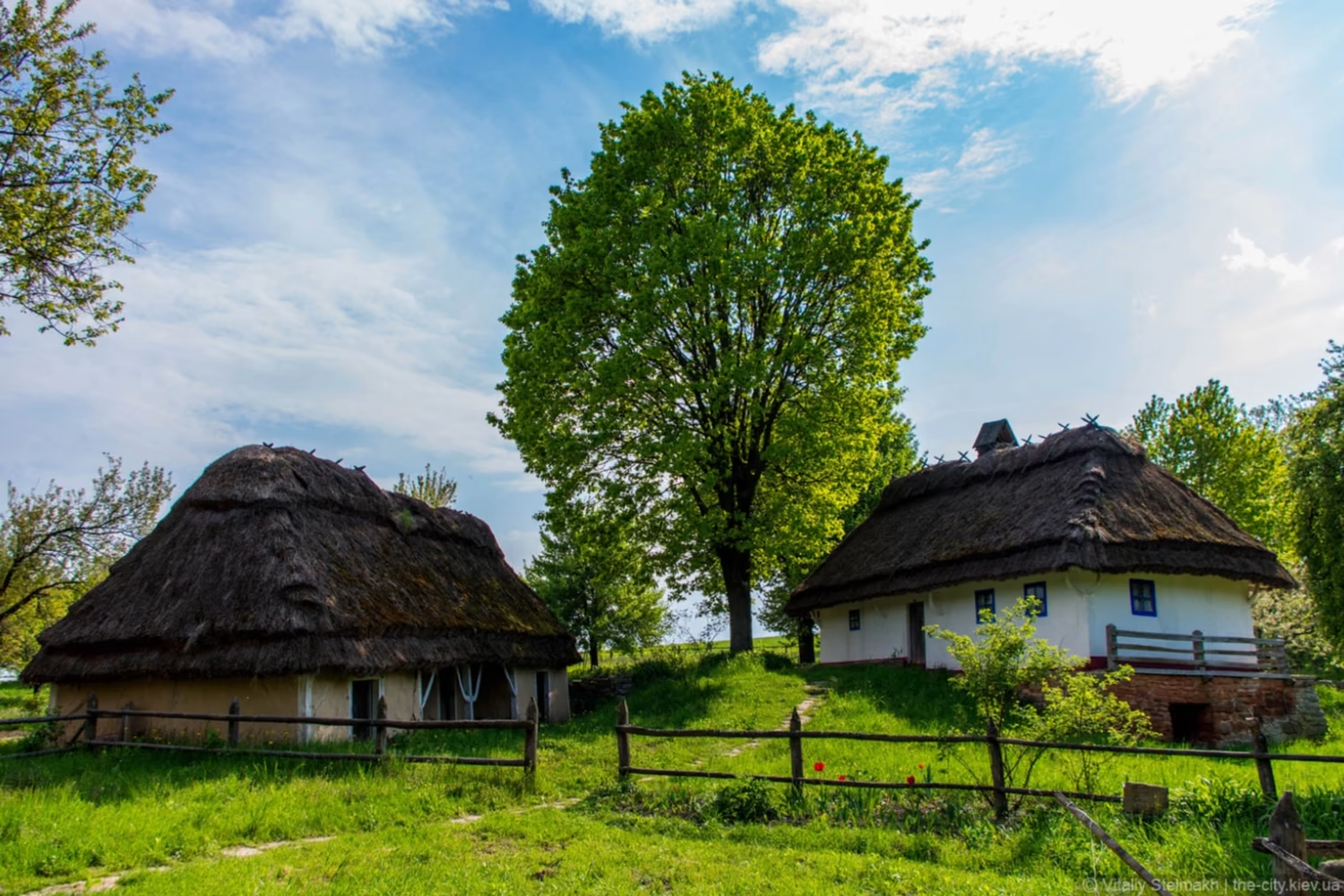
Ukraine’s largest open-air museum: 133 hectares on the southern edge of Kyiv, home to more than 300 authentic wooden buildings from every corner of the country. In one day you can walk through Polissia, Slobozhanshchyna, the Poltava region, the Carpathians, the Dnipro region, Podillia and Southern Ukraine without leaving the capital. These are real houses, windmills, churches and wells from the 16th–20th centuries, brought from real villages.
Why visit
- Ukraine’s largest open-air museum: 133 hectares and more than 300 authentic buildings from all over the country
- In one day you can walk through seven historical and ethnographic regions of Ukraine without leaving Kyiv
- The museum’s oldest building is the 1742 architectural group of the Middle Dnipro region
- Picturesque windmills on the hills and the Kalynivka stream with several ponds right on the grounds
- The ethnographic collection numbers about 70 thousand items of folk life from all regions of Ukraine
- In summer and autumn the museum hosts fairs where craftspeople demonstrate their crafts live for guests
Good to know
Ticket prices
Adult – UAH 250. Reduced (school and university students, pensioners, people with Group II and III disabilities) – UAH 100.
Free admission
Free entry for people with Group I disabilities, combat veterans and war veterans, preschool children, children from orphanages, staff of Ukrainian museums and reserves, Category I Chornobyl liquidators, and one accompanying adult per organized group of school students (10 people).
Free admission days
Every second Saturday of the month – free for large families and conscripts. The last Thursday of the month – free for students of relevant fields (history, cultural studies, museum studies, fine arts, architecture, design), pensioners and people with Group II–III disabilities.
Opening hours
The museum grounds are open daily from 09:00 to 18:00 all year round. The homestead interiors and exhibitions are closed on Tuesdays and Wednesdays; on other days they are open roughly from 09:30 to 17:30 (exact hours depend on the season).
Vehicle entry and parking
Parking on the grounds – UAH 100. Entry by car – UAH 800, minibus – UAH 1,200, bus – UAH 1,500.
Professional photo and video – separately
Amateur photography for personal use is freely allowed. Professional photography (up to 4 people) – UAH 600, video (up to 4 people) – UAH 800. Professional shooting without a special ticket is not allowed.
Guided tours
For school and university students (one academic hour, up to 10 people) – UAH 600. For adults (one academic hour, up to 10 people) – UAH 700. An interactive tour per person – UAH 500. A tour in a foreign language (up to 10 people) – UAH 1,500. Tours led by your own outside guides – UAH 600.
Pets allowed, on a leash
The museum welcomes visitors with pets. Animals must be kept on a leash and, in crowded places, muzzled if the breed requires it.
Not allowed on the grounds
Swimming or fishing in the lakes on the museum grounds is prohibited.
Getting there
Nearest metro station: Teremky (about 4.2 km). Minibuses and trolleybus No. 11 run from Vystavkovyi Tsentr metro station via Zabolotnoho Street.