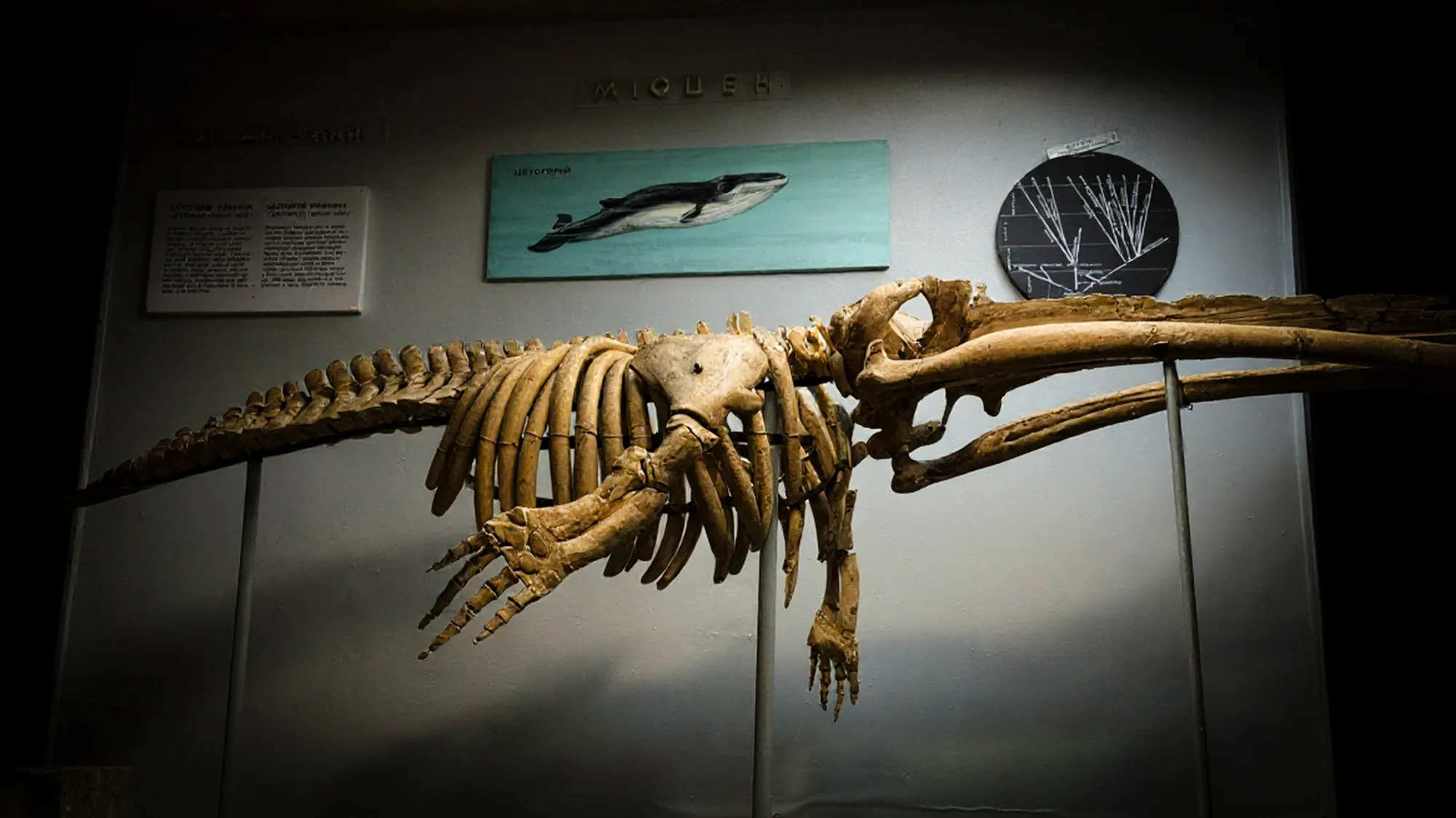
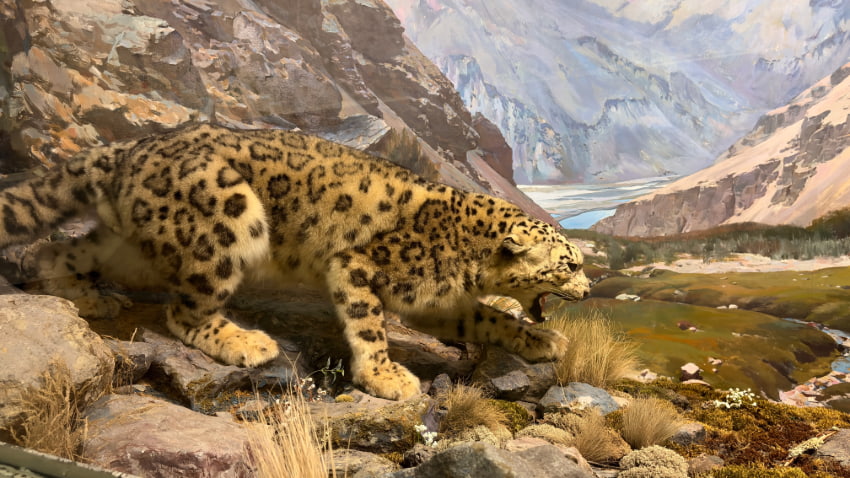
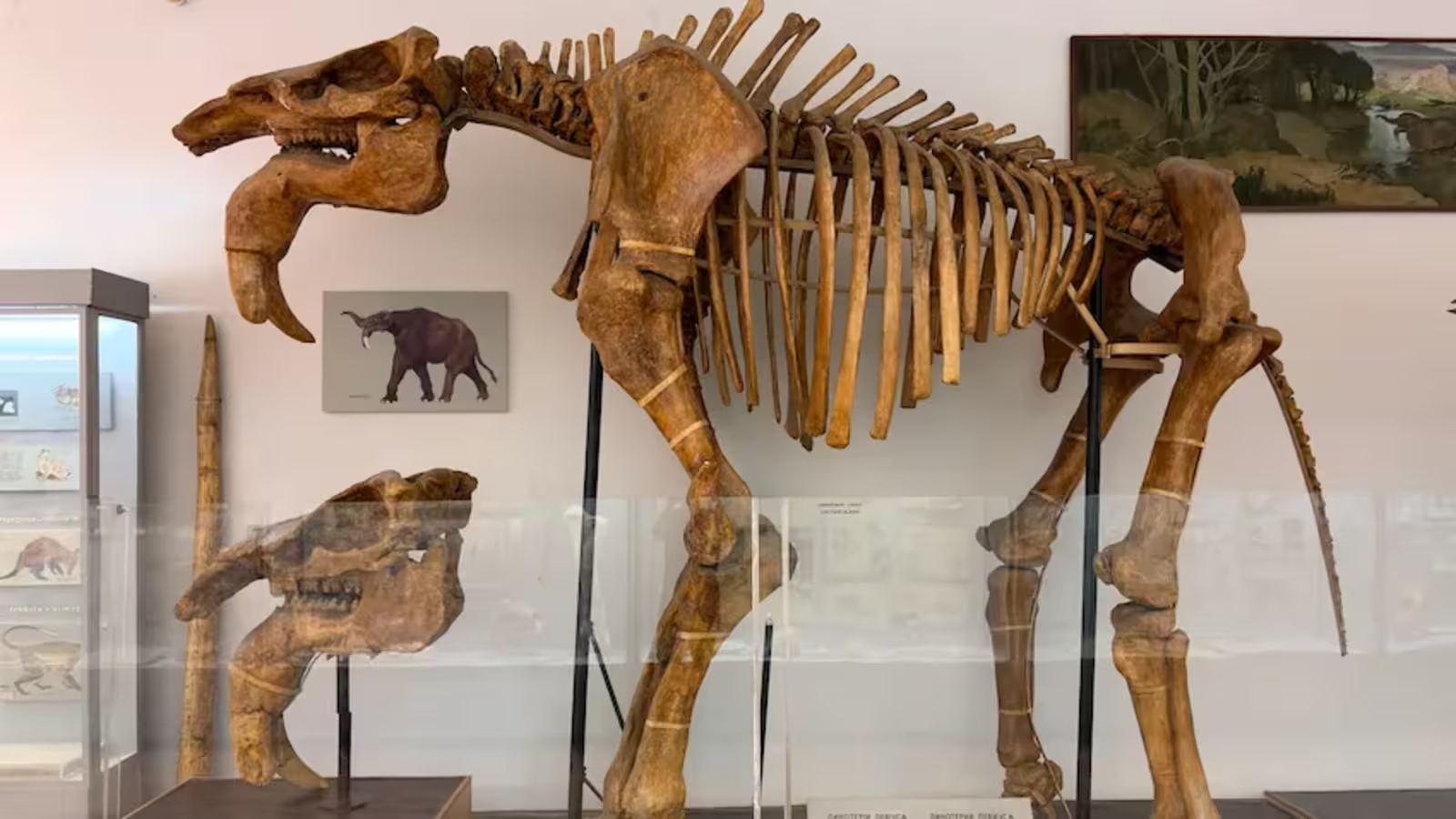
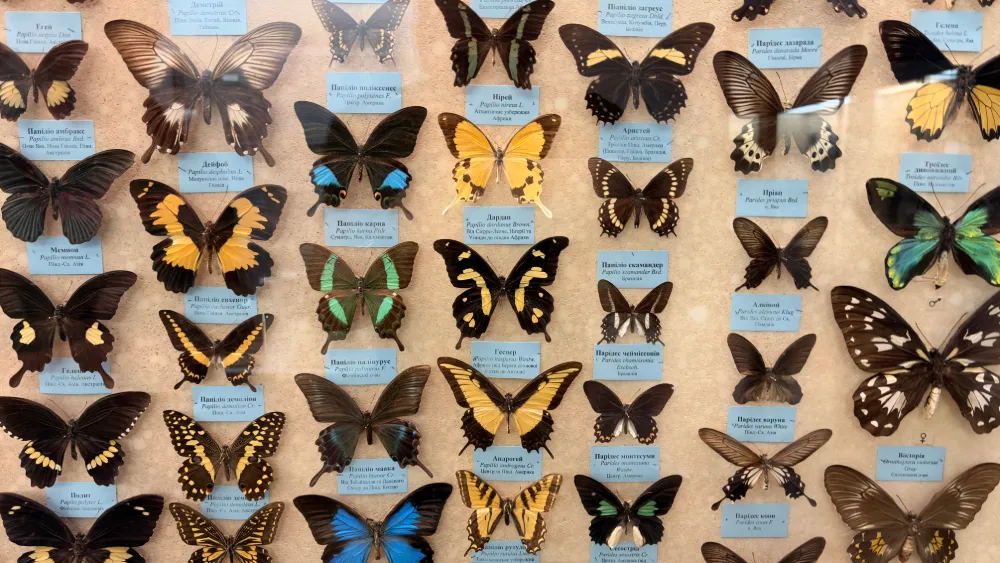
The National Museum of Natural History is one of the largest natural history museums in Europe, right in the center of Kyiv. Four themed departments under one roof introduce visitors to minerals, fossils and the planet’s animal and plant life.
Why visit
- A real mammoth skeleton and the skeleton of a prehistoric whale stand side by side in one spacious exhibition hall
- The largest meteorite collection in Ukraine: almost ninety specimens gathered from all over the world
- Two structures on display were actually built by Stone Age people from the bones of ancient mammoths
- One admission ticket gives access to four themed museums under one roof at once
- The museum’s historic building is right in the center of Kyiv, a few minutes’ walk from the metro
Good to know
Ticket validity
The ticket is single-entry and valid only on the day of your visit; re-entry is not possible
Photography
Amateur photos with a phone or camera are free; professional equipment is paid
Gemstone hall
The Aesthetics of Stone hall is open only as part of a guided tour; there is no free entry
Box office
It closes 30 minutes before the museum does, so keep that in mind when planning
Needs checking
The age at which children may visit unaccompanied, the rules on pets and whether there is a shelter: please check by phone
Free admission
Children under 6, veterans, people with Group I disabilities: with an ID on site; rates valid from March 23, 2026