MAN Science Museum. The first state museum where NOT touching is forbidden: 120+ interactive exhibits in 8 zones at VDNH
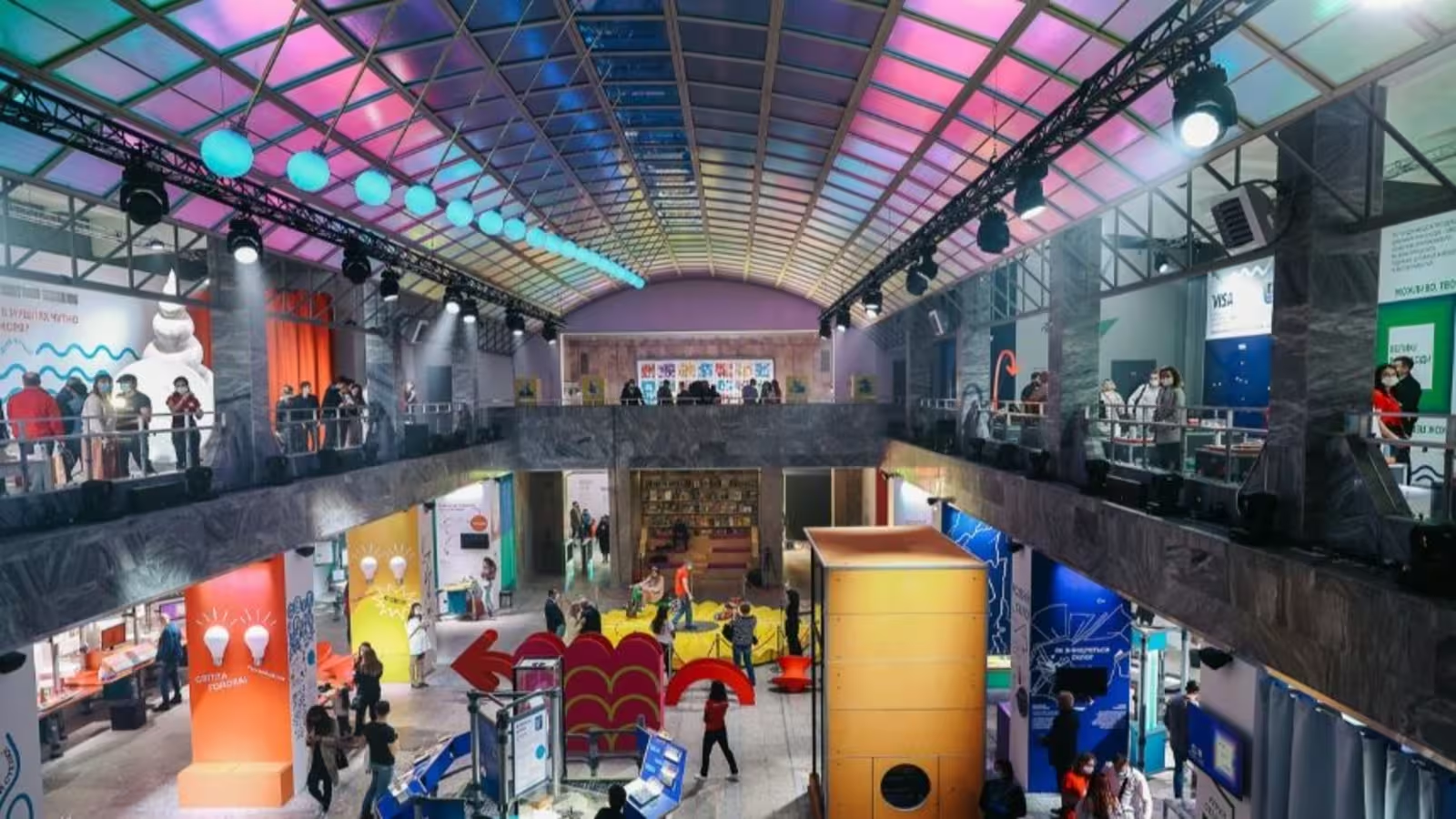
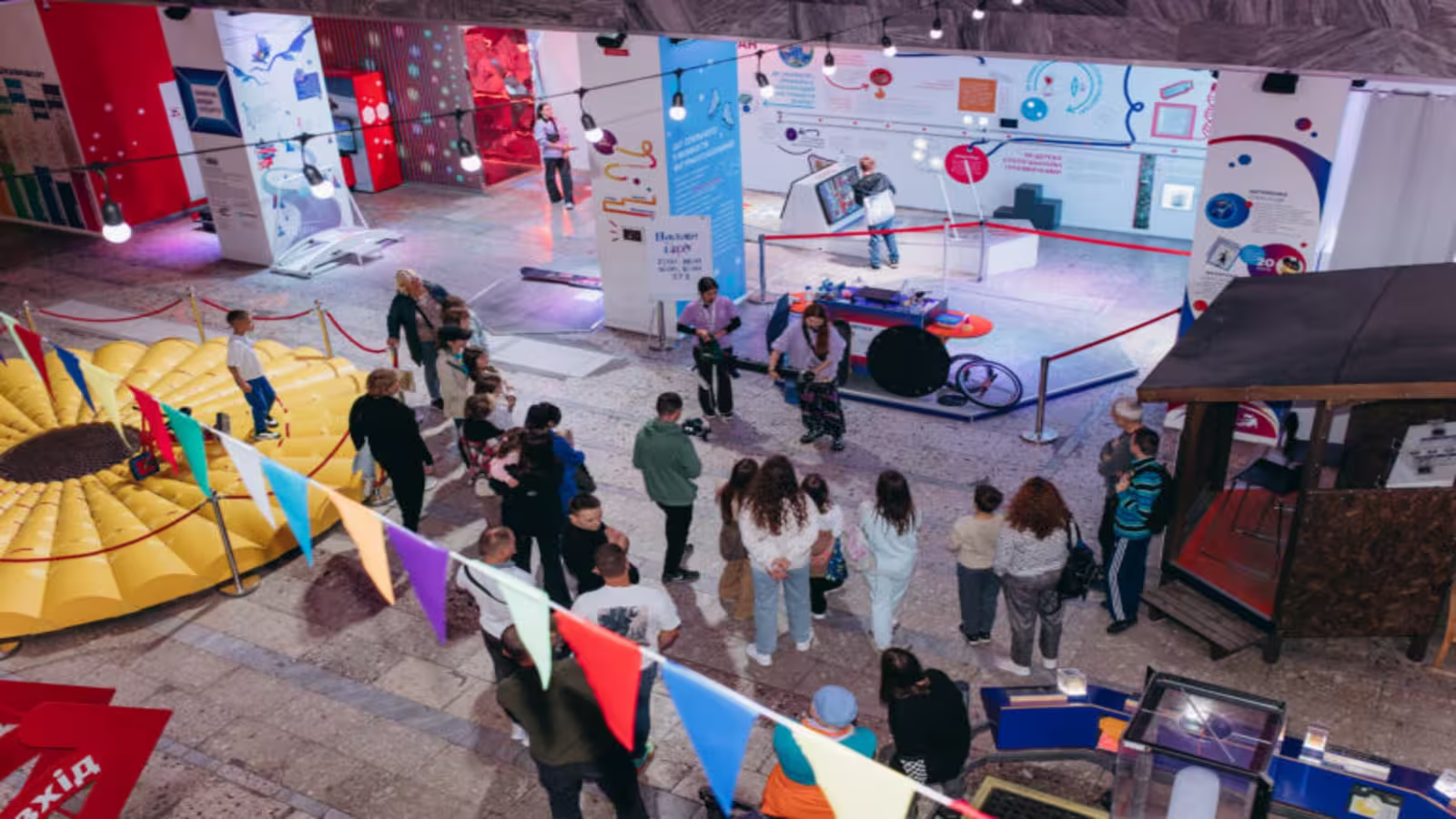
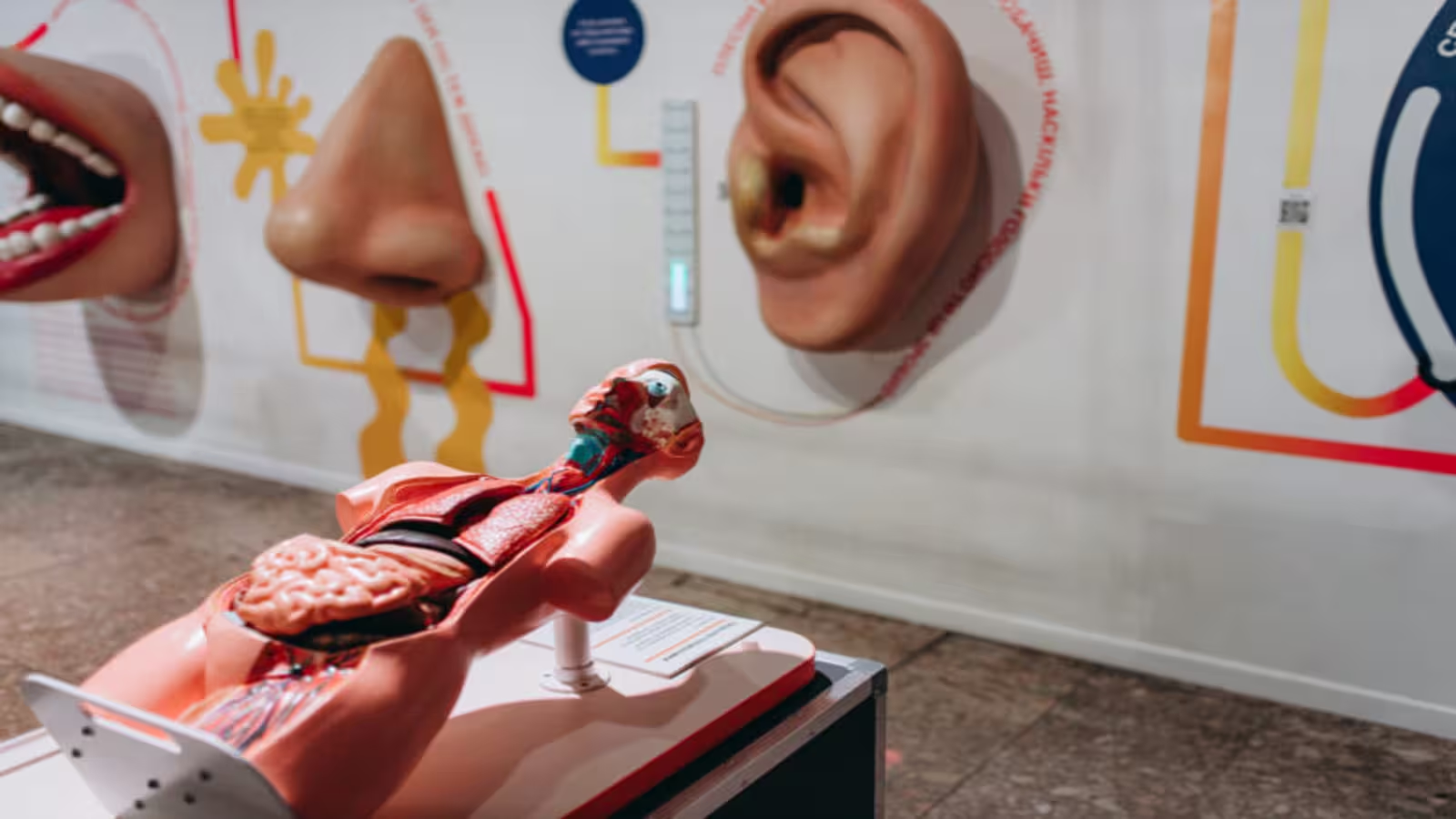
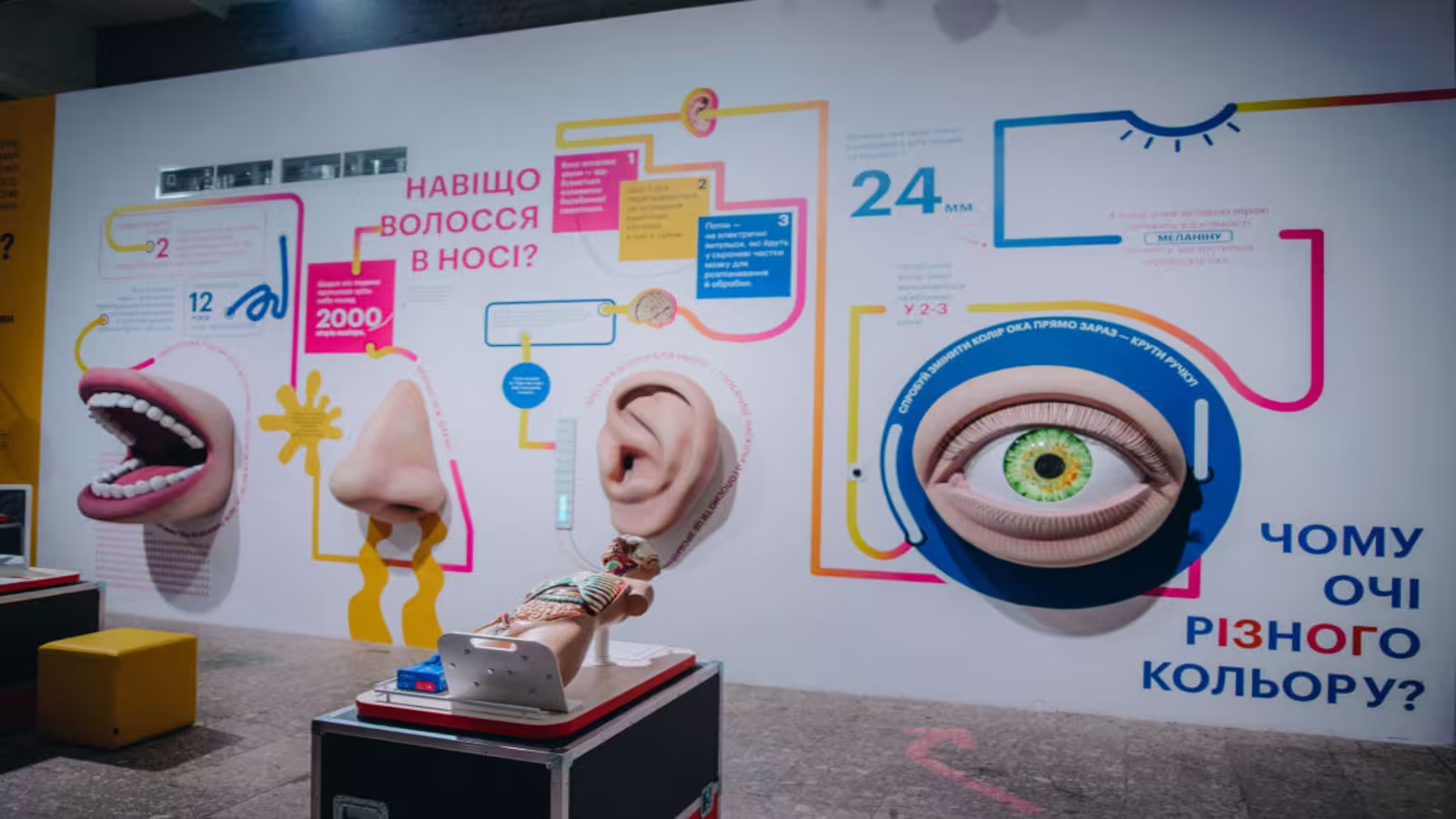
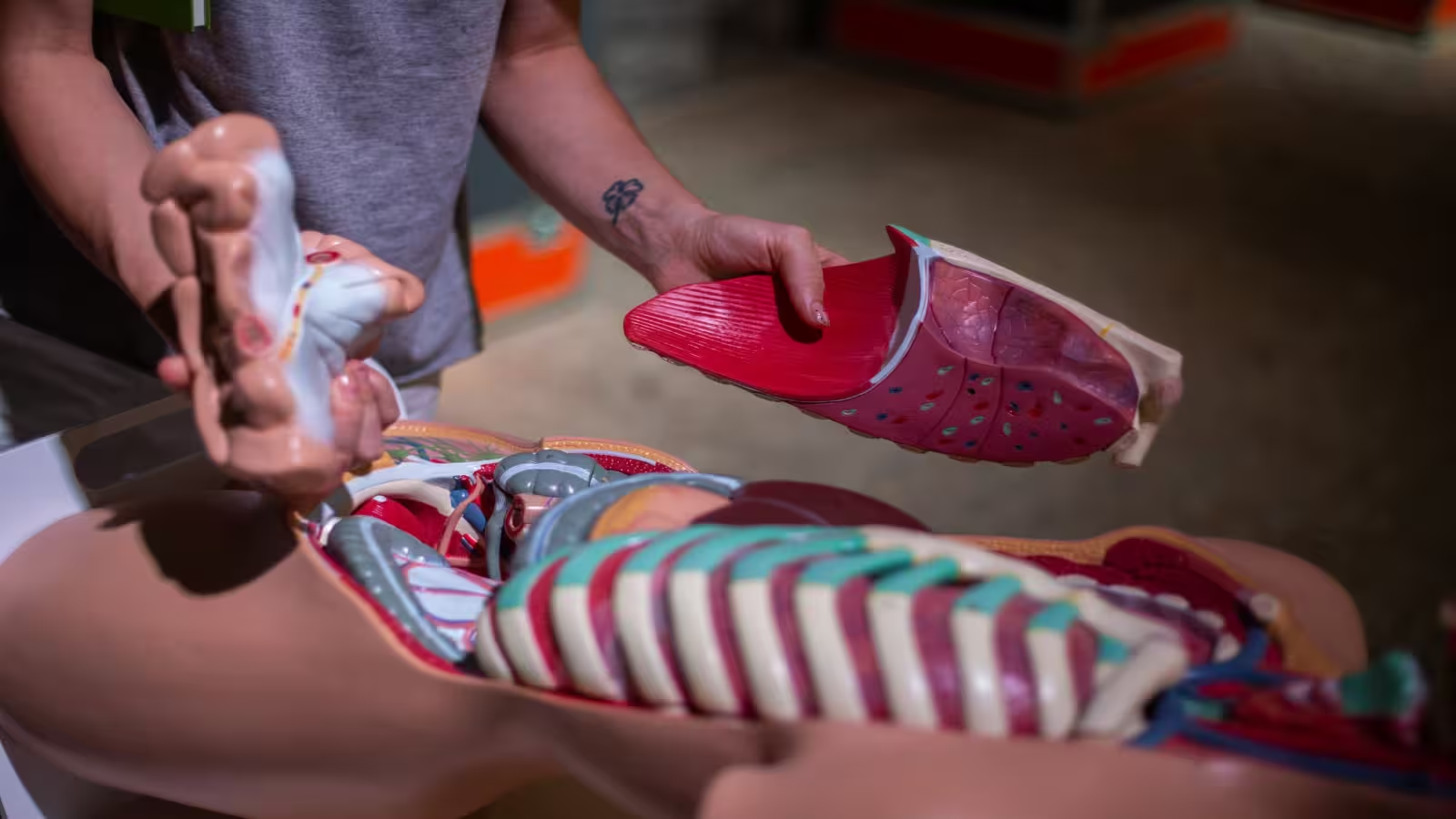
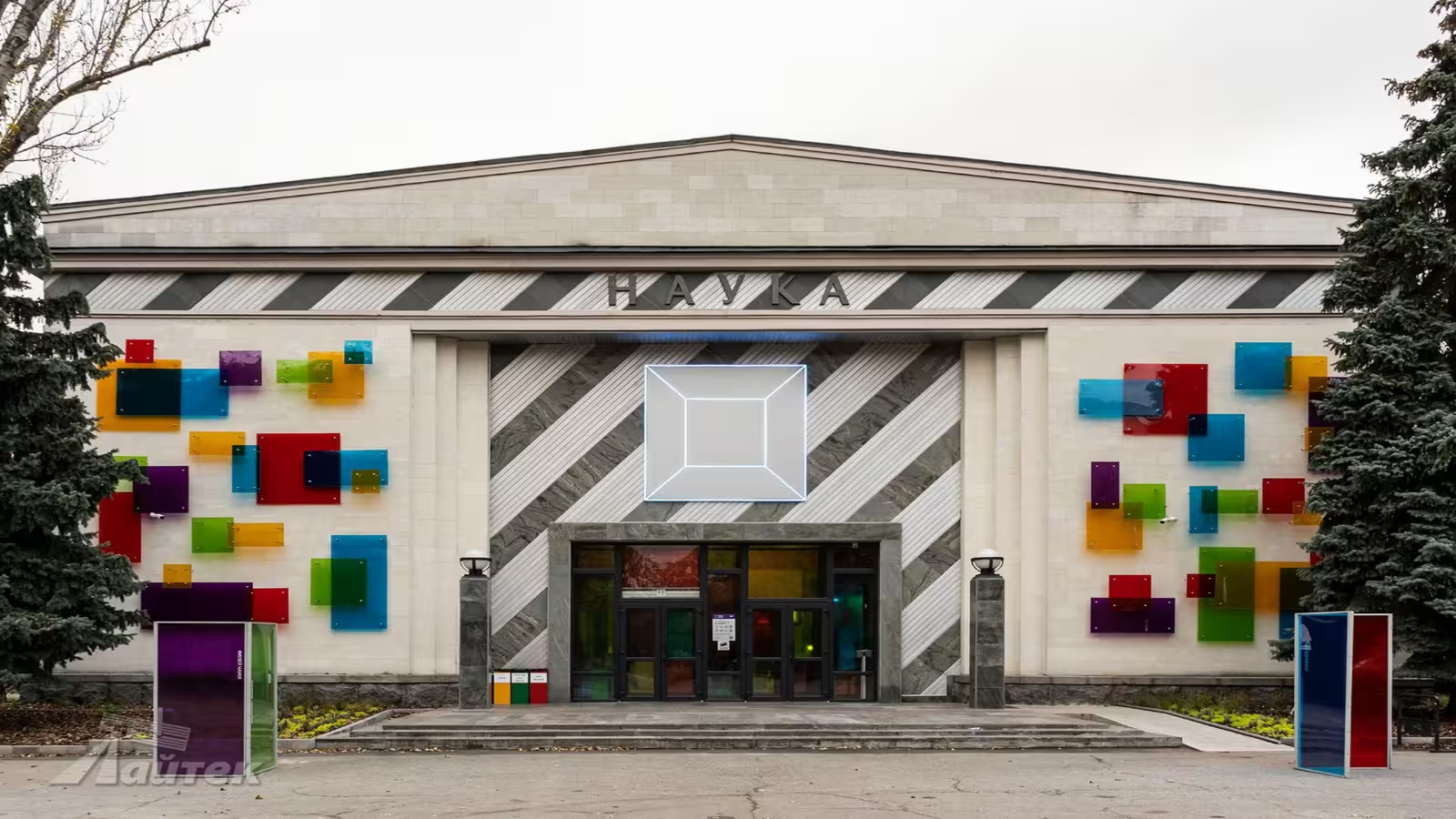
Ukraine’s first state interactive science museum – the one where NOT touching the exhibits is forbidden. More than 120 exhibits in eight themed zones, Pavilion No. 23 at VDNH.
Why visit
- Ukraine’s first state museum where NOT touching the exhibits is forbidden – you can press and spin everything
- More than 120 interactive exhibits in eight themed zones – from astronomy to winter sports
- A bicycle with square wheels that you can really ride along a special curved track
- A two-meter hologram, a crystal weighing many kilograms and a glass ceiling that changes color right above you
- Instead of a tour guide, explainers by the exhibits: ask anything, nobody is in a hurry
- In the “Astronomy” zone – the real suit and watch of Leonid Kadeniuk, the first Ukrainian astronaut
- Separate 30-minute science shows: magnetic fluid, crash tests of materials and breakfast chemistry
Good to know
A visit lasts 2 hours, by slot
Visits run in fixed two-hour slots: 10:00–12:00, 12:00–14:00, 14:00–16:00, 16:00–18:00. On Saturdays and Sundays there is an extra 18:00–20:00 slot. A ticket is valid only for the time it was bought for – you cannot come in another slot.
Buying at the box office is possible but risky
Tickets are also sold on site, but the system limits the number of people inside: if a slot is full, the box office will not sell a ticket. Buying online guarantees you get in at your chosen time.
School groups of 10+ – UAH 250
For a school group of 10 or more children, a ticket costs UAH 250 per child, and one accompanying adult per 10 children goes free. Each additional adult – UAH 300.
Reduced ticket – at the box office, on the day
A reduced ticket can be obtained on the day of your visit with valid ID.
No refunds or exchanges
The museum’s terms do not provide for refunds or ticket exchanges. Plan your date and slot in advance.
No guided tours – by design
The museum follows the format of the world’s science centers: you move freely around the space without tour groups. Explainers by the exhibits explain things and answer questions.
Under 12s – only with an adult
Children under 12 must be accompanied by an adult in the space: a parent, teacher or caregiver.
Photography allowed
Amateur photo and video for personal use is allowed with an admission ticket, as long as you respect other visitors’ personal space. Professional shooting only with the administration’s permission.
Rules during an air-raid alert
After the alert sounds, the space pauses and visitors must leave and go to the shelter. If the alert starts before opening, the museum opens 60 minutes after it ends. If your slot had lasted 90 minutes or more, it counts as completed. If the alert sounds 30 minutes before closing, the museum does not reopen that day.
No animals
Animals are not allowed, except guide dogs and assistance dogs.