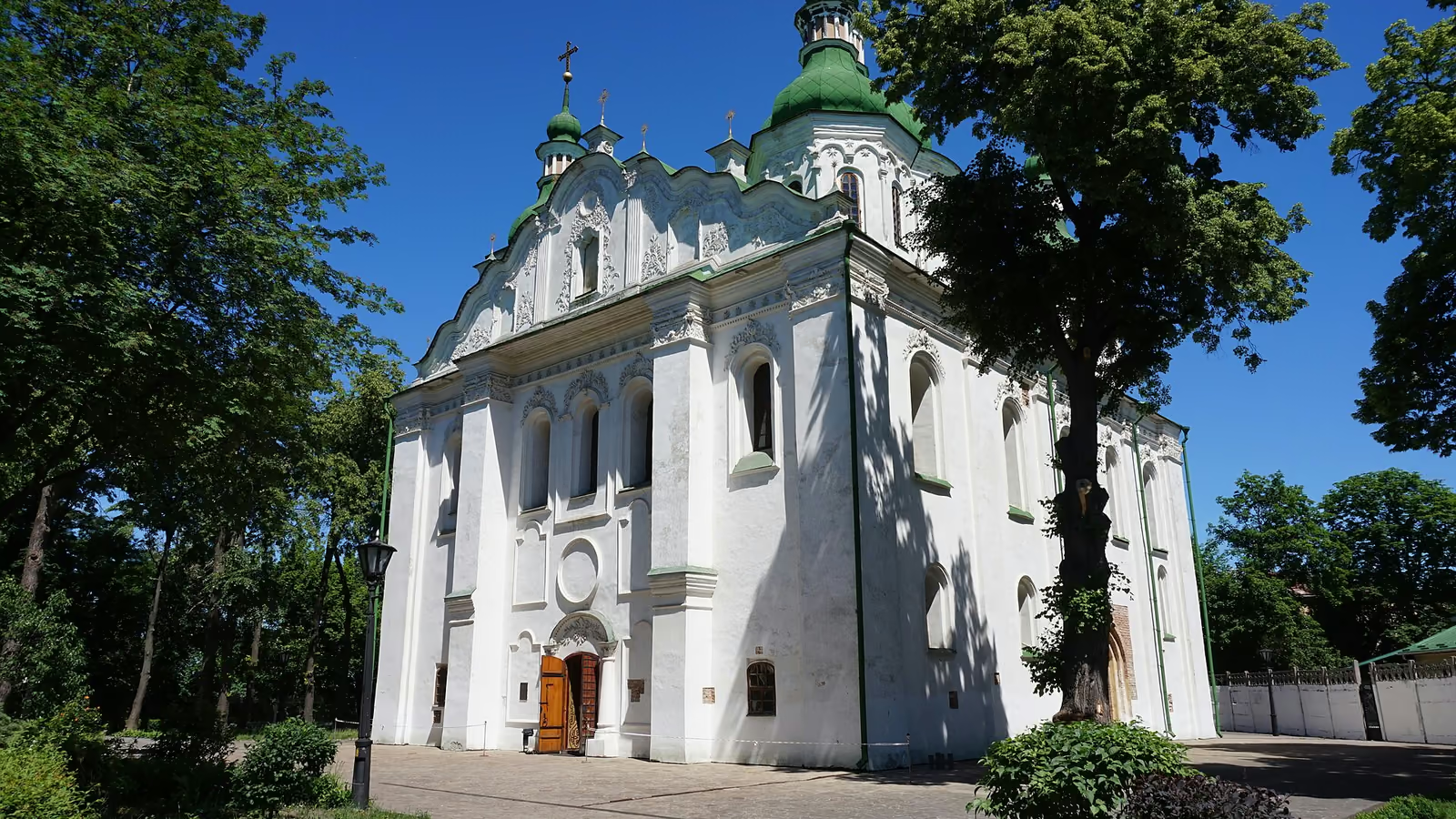
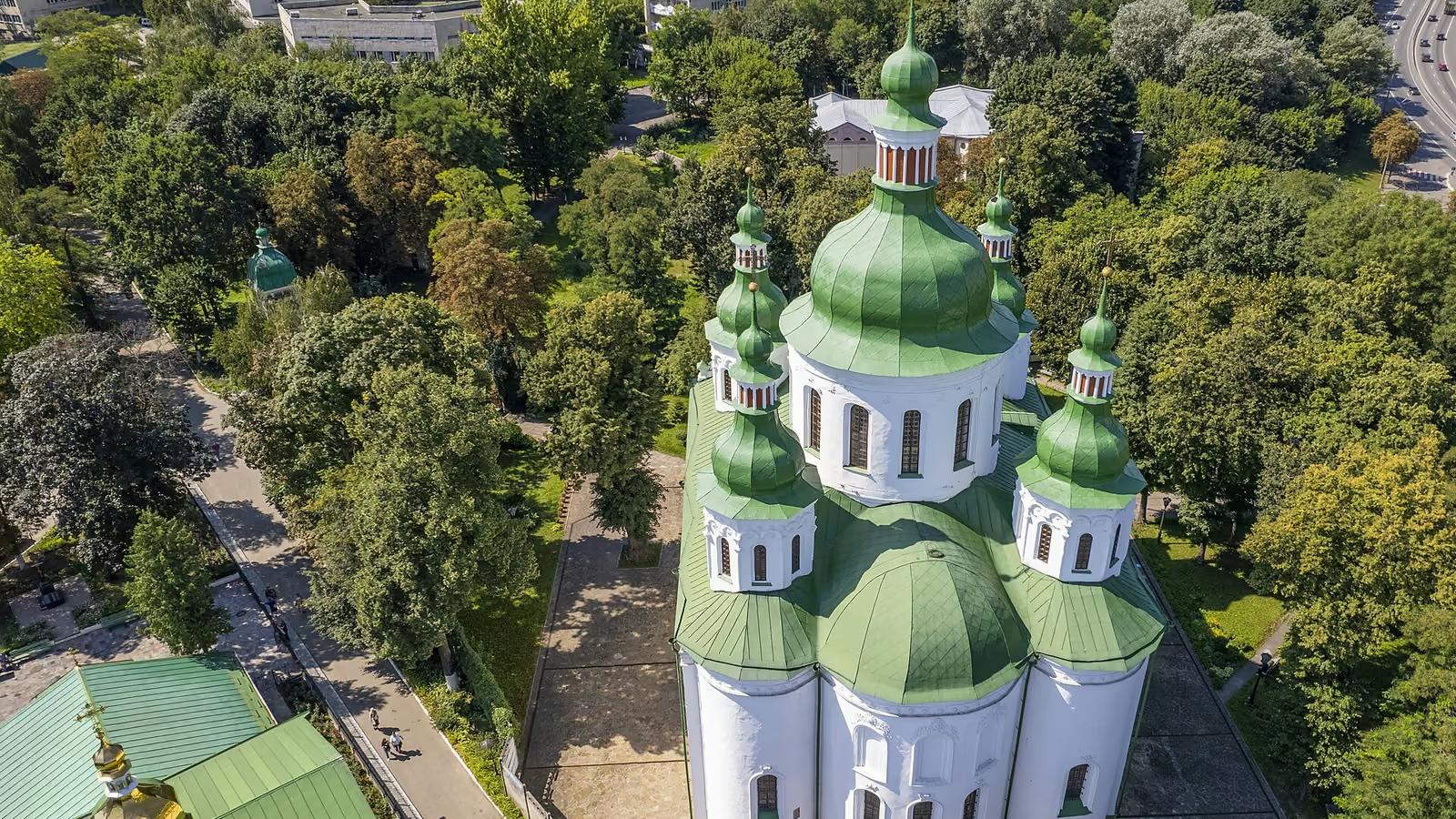
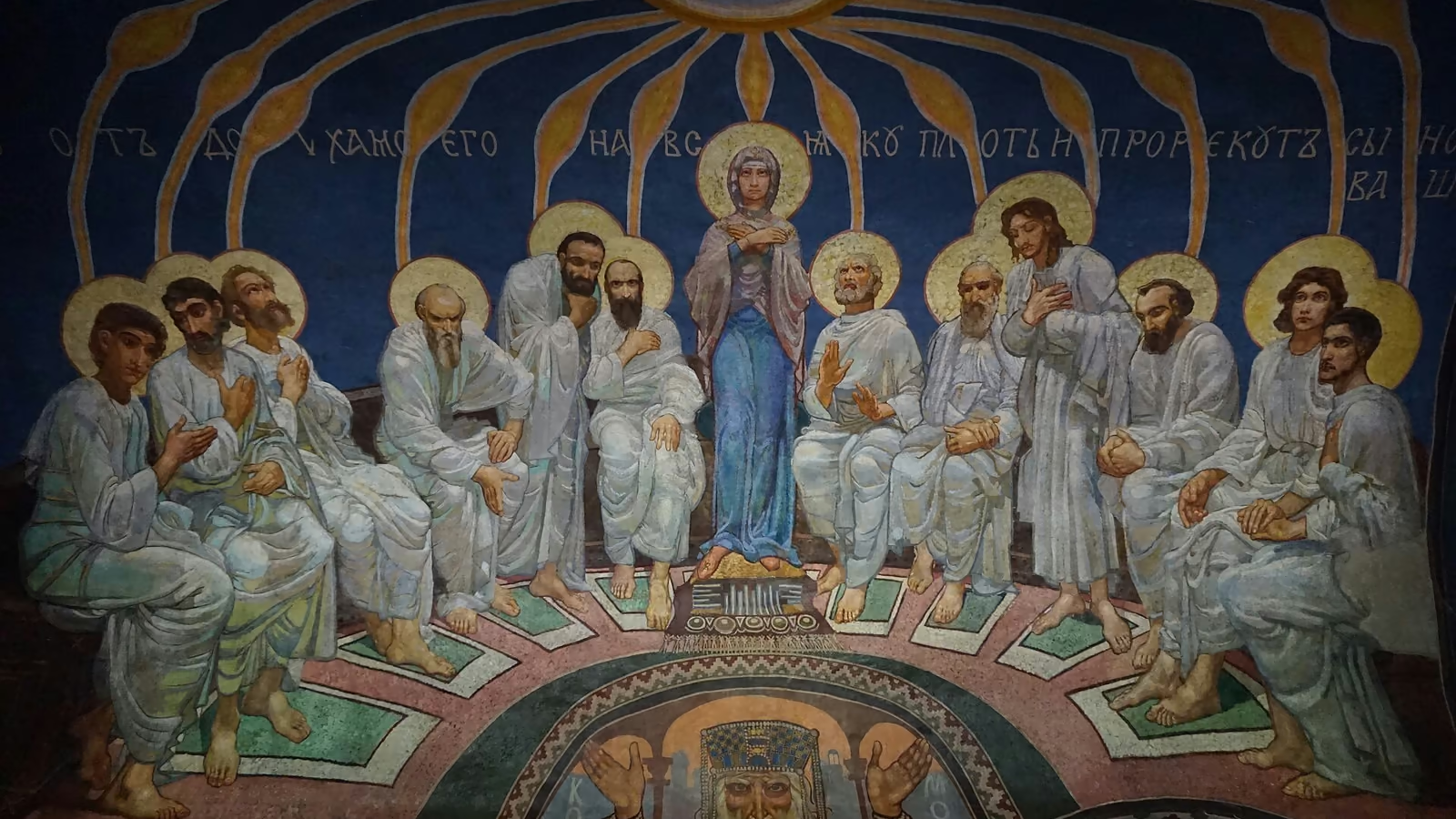
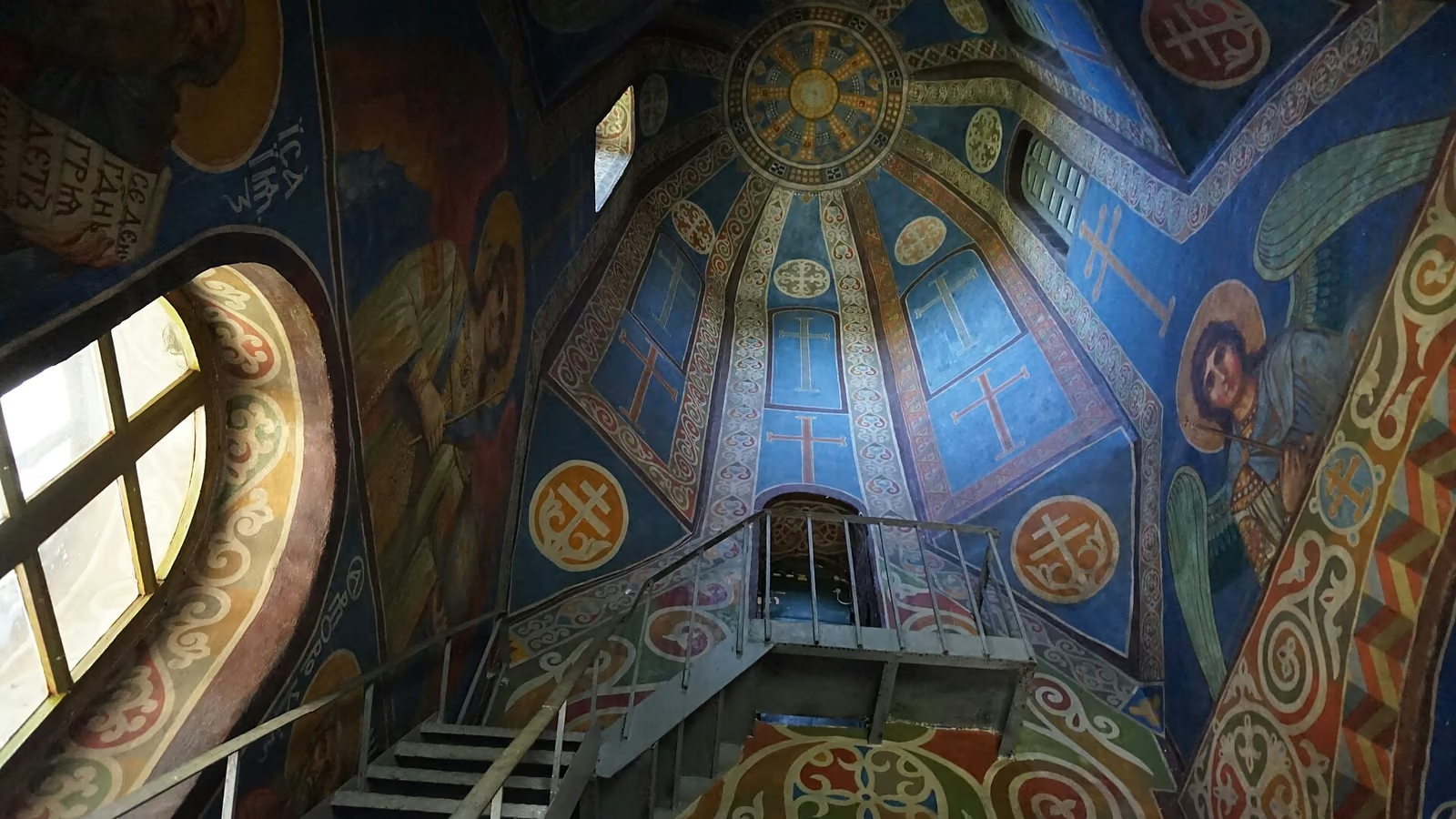
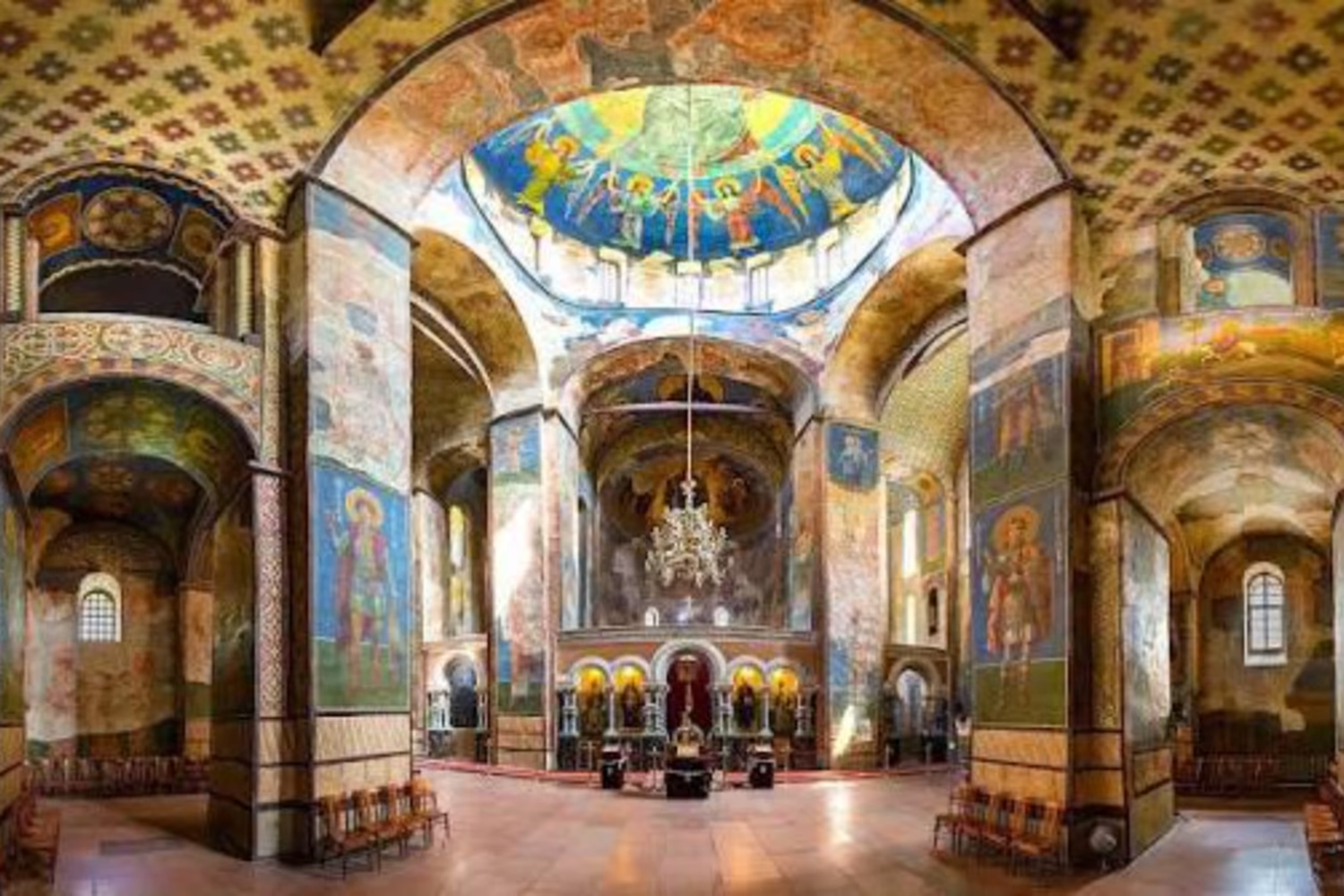
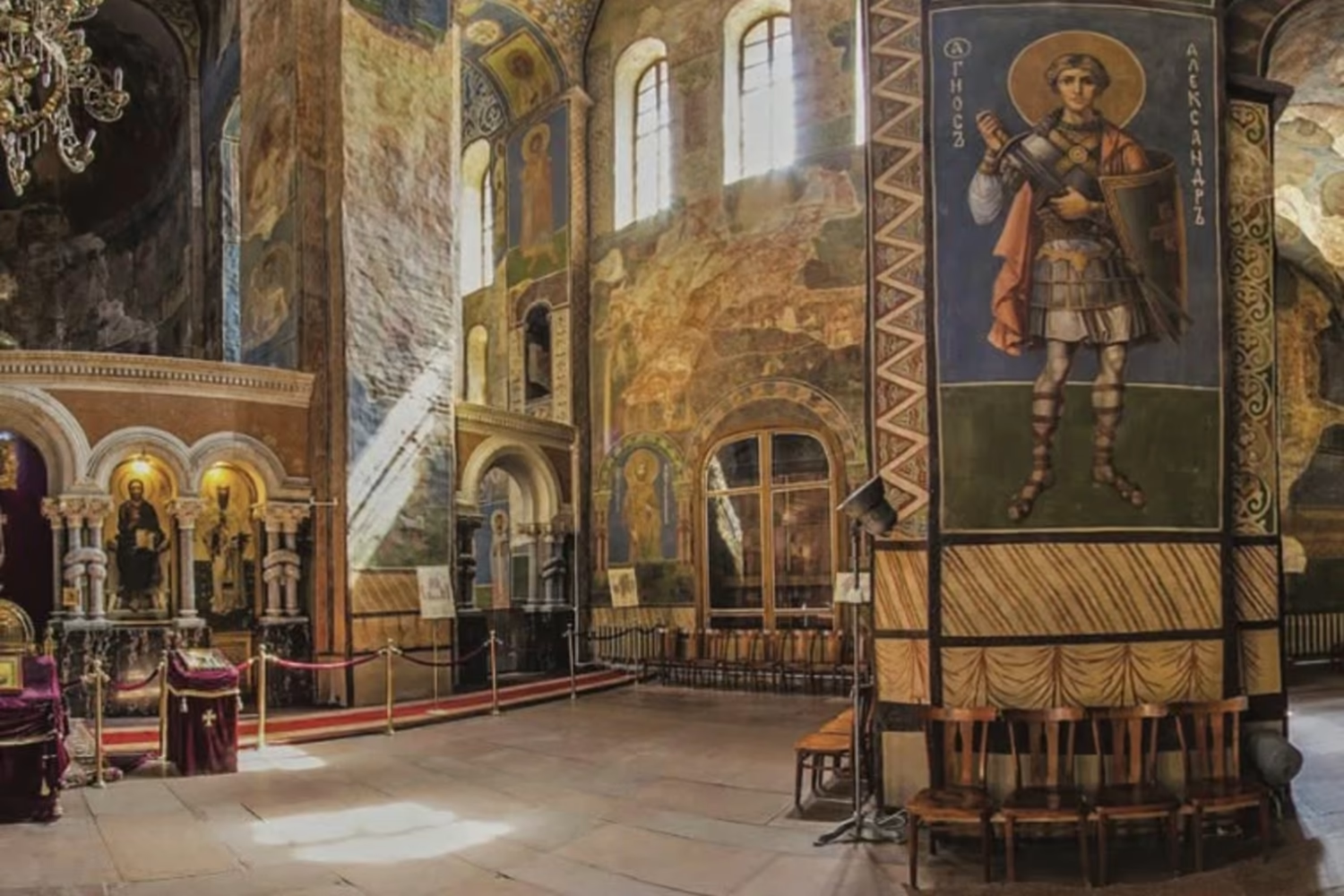
One of only 19 surviving buildings from the princely era in Ukraine, and the place where the young Mikhail Vrubel set out on his path to fame: he painted icons and frescoes here a few years before his best-known Kyiv works. Original 12th-century paintings can still be seen on the church walls – a rarity even for Kyiv.
Why visit
- One of only 19 buildings from the princely era surviving on the territory of present-day Ukraine
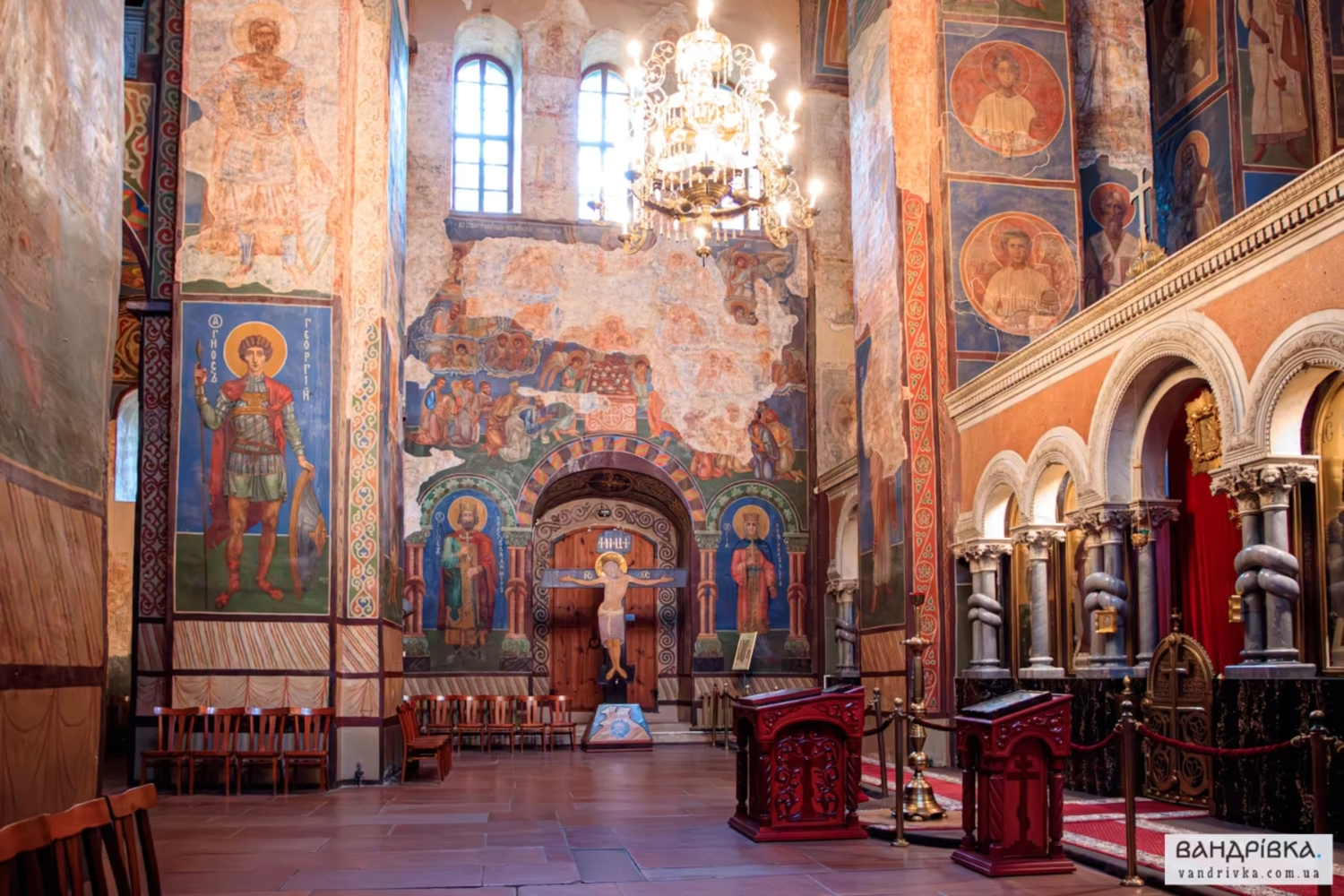
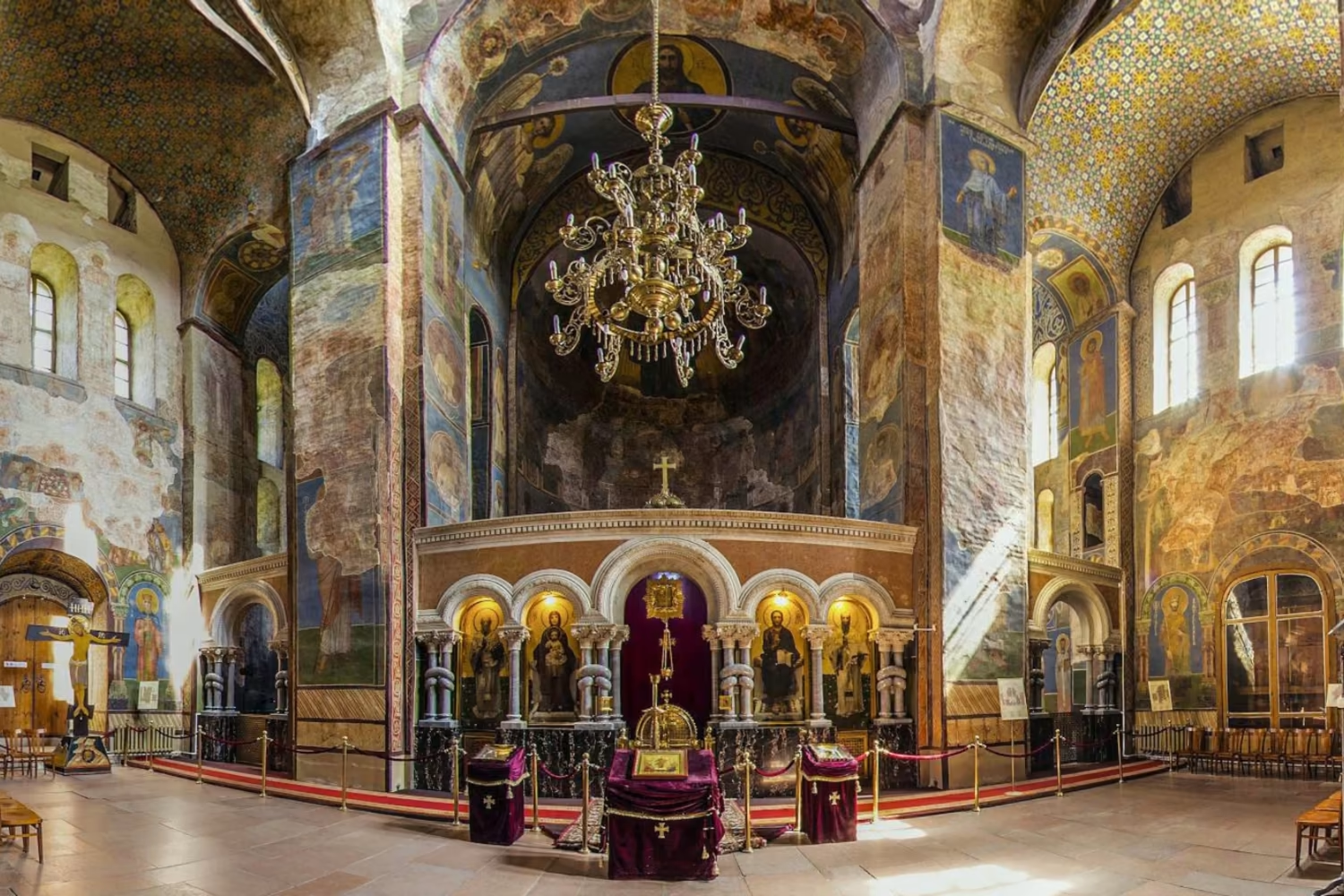
- Original 12th-century frescoes, cleared by restorers from beneath later 19th-century overpainting
- Early works by Mikhail Vrubel – icons and frescoes of angels painted before his most famous works
- The single-tier marble iconostasis was deliberately designed low so as not to hide the ancient paintings
- The church was first mentioned in documents in 1179 – it is over 800 years old
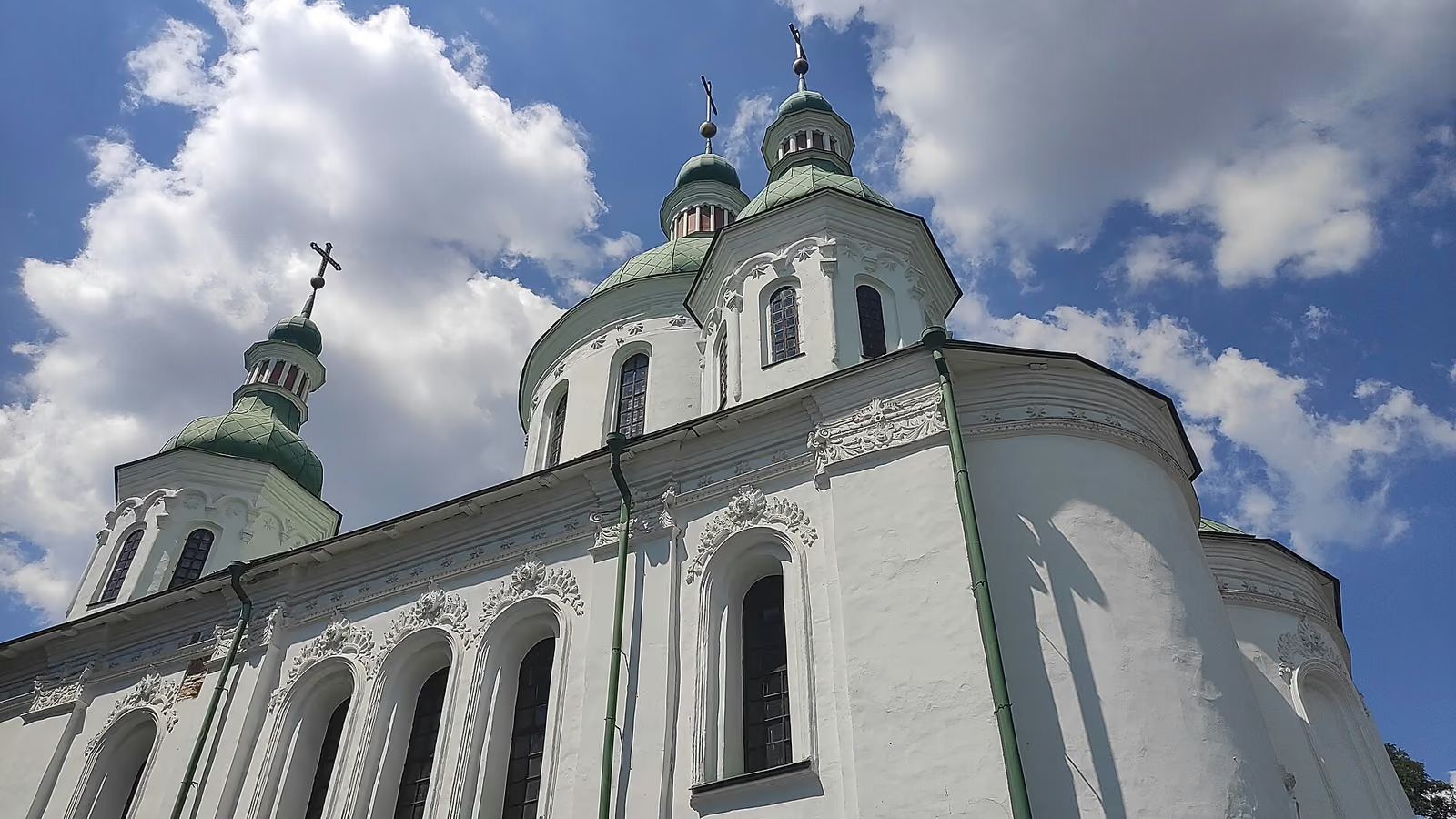
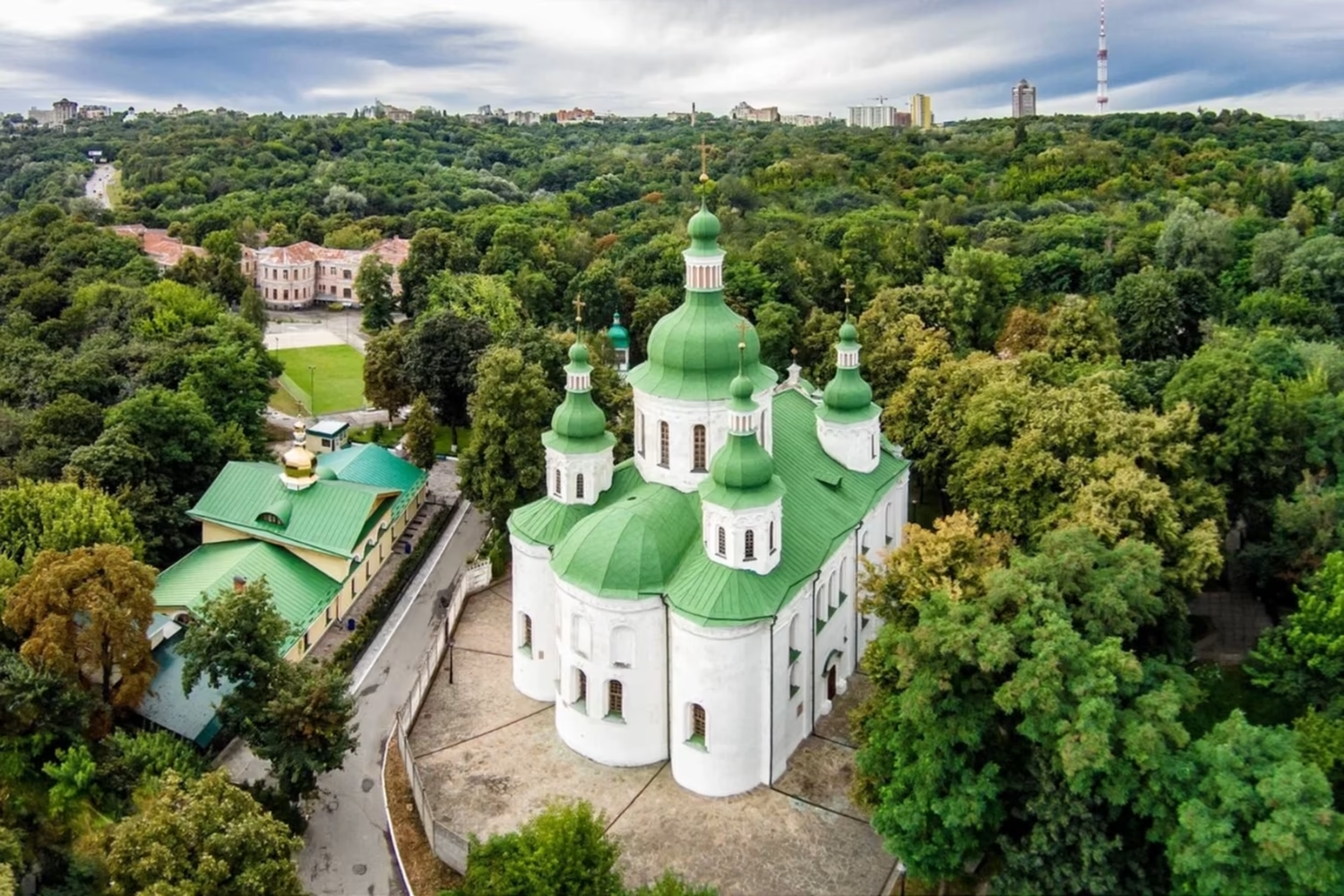
- A Kyivan Rus architectural core combined with an ornate 18th-century Ukrainian Baroque facade
Good to know
Ticket prices
Museum admission costs UAH 150, reduced UAH 70.
7-day Museum Pass
The Museum Pass (UAH 500, reduced UAH 300) is valid for 7 days and also covers the grounds of the St. Sophia Museum, the cathedral, the Metropolitan’s House and the Golden Gate – good value if you plan to visit several sites of the reserve.
Opening hours
The museum is open daily except Wednesday, 10:00 to 18:00 (box office and entry until 17:30). Closed on Wednesdays.
Location – outside the center
Unlike St. Sophia Cathedral or the Golden Gate, the church is farther from the center – in the Shevchenkivskyi District, near Oleny Telihy Avenue. Nearest metro stations: Dorohozhychi or Petrivka, then trolleybus No. 27 or No. 30 to the Muzei Kyrylivska Tserkva stop.
Photo and video at ceremonies
Filming inside the church during ceremonies and celebrations costs UAH 1,500 per hour per device.
Concerts in St. Cyril’s Church
The church occasionally hosts “Concerts in St. Cyril’s Church” – the event ticket includes entry to the grounds.