A space for math

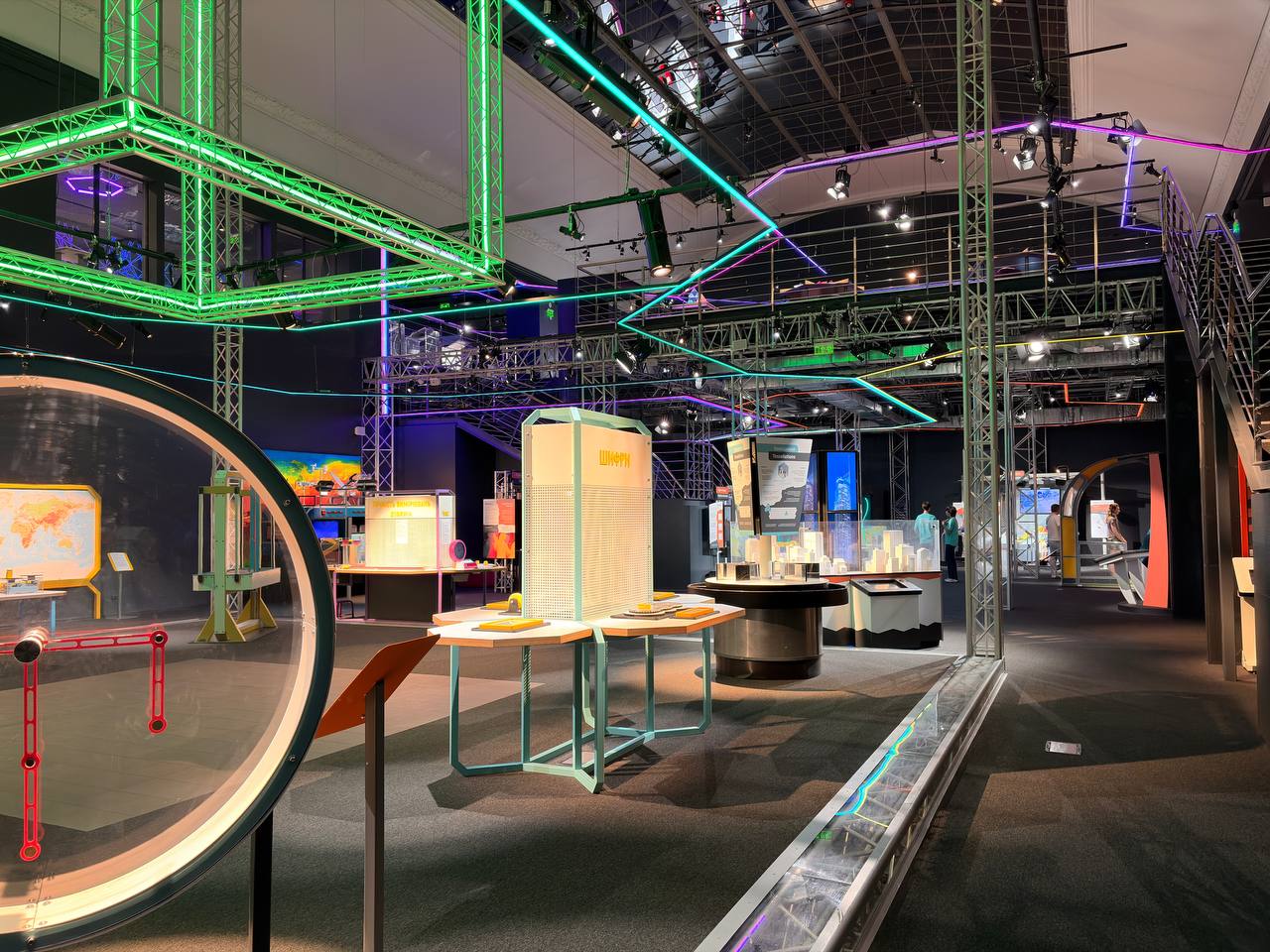
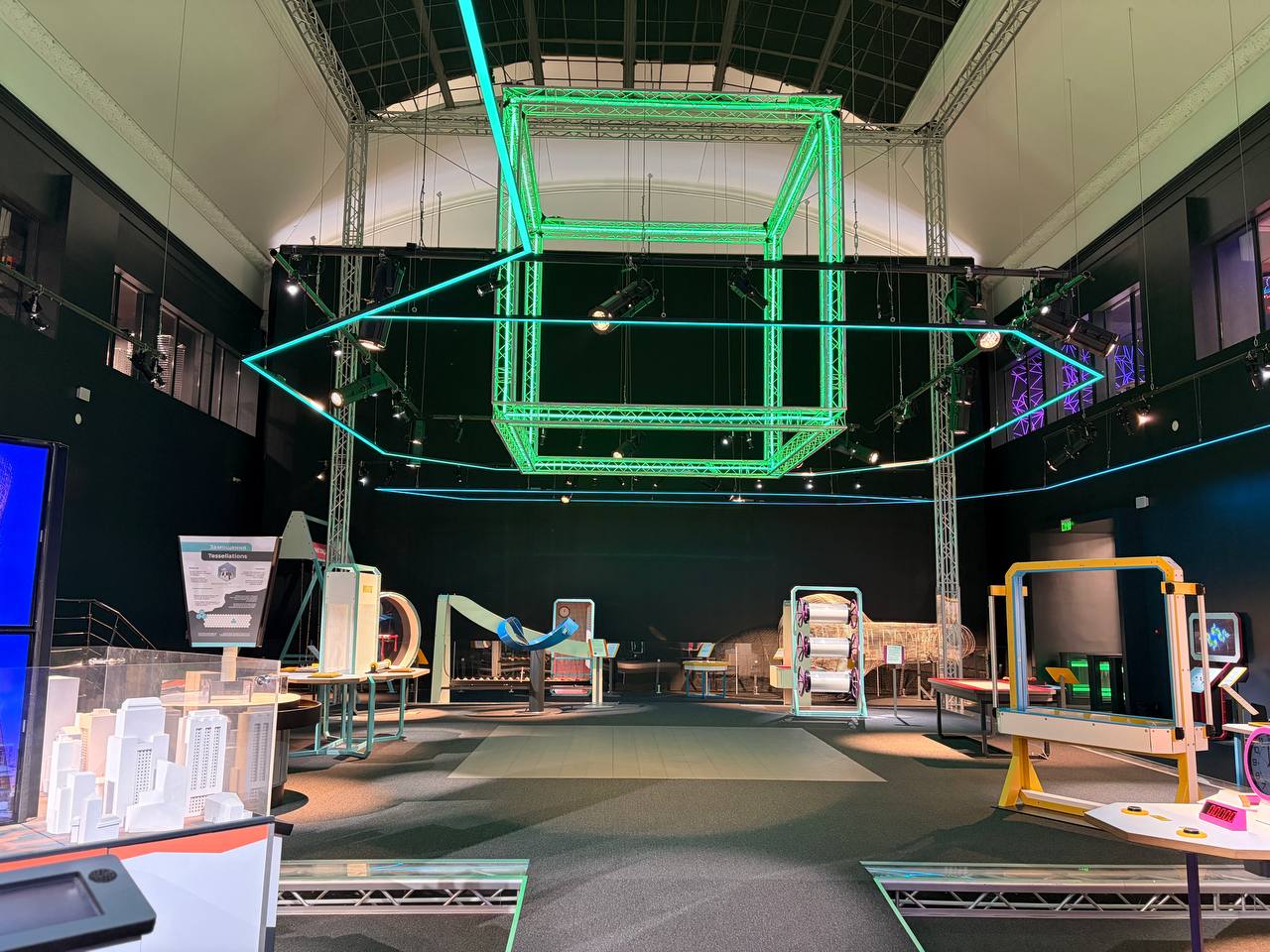
Kuboid is a museum where you don’t study math, you get your hands on it. Two floors, eight zones and dozens of interactive exhibits: set pendulums swinging, build structures, solve puzzles. Here math is not about formulas in a notebook but about how the world around us works.

Why visit

  • 2 floors, 8 themed zones
  • More than 30 puzzles in the quick-thinking zone alone
  • Exhibits from manufacturers in 4 countries
  • Educational programs for schools and teachers
  • For children aged 3 and up, and for adults

Additional information

Ticket refunds
Tickets are non-refundable
Parking
Parking on the VDNH grounds
Children under 5 free
Children under 5 and other eligible visitors enter the museum free; reduced tickets are issued only at the museum box office with a document.
Pets
Pets are not allowed
Photos
Photography is allowed
Entry by session
Entry is by two-hour time slots that you choose when buying your ticket. Tuesday–Friday: 12:00, 14:00, 16:00. Saturday–Sunday: an extra slot at 18:00. The museum is closed on Mondays.

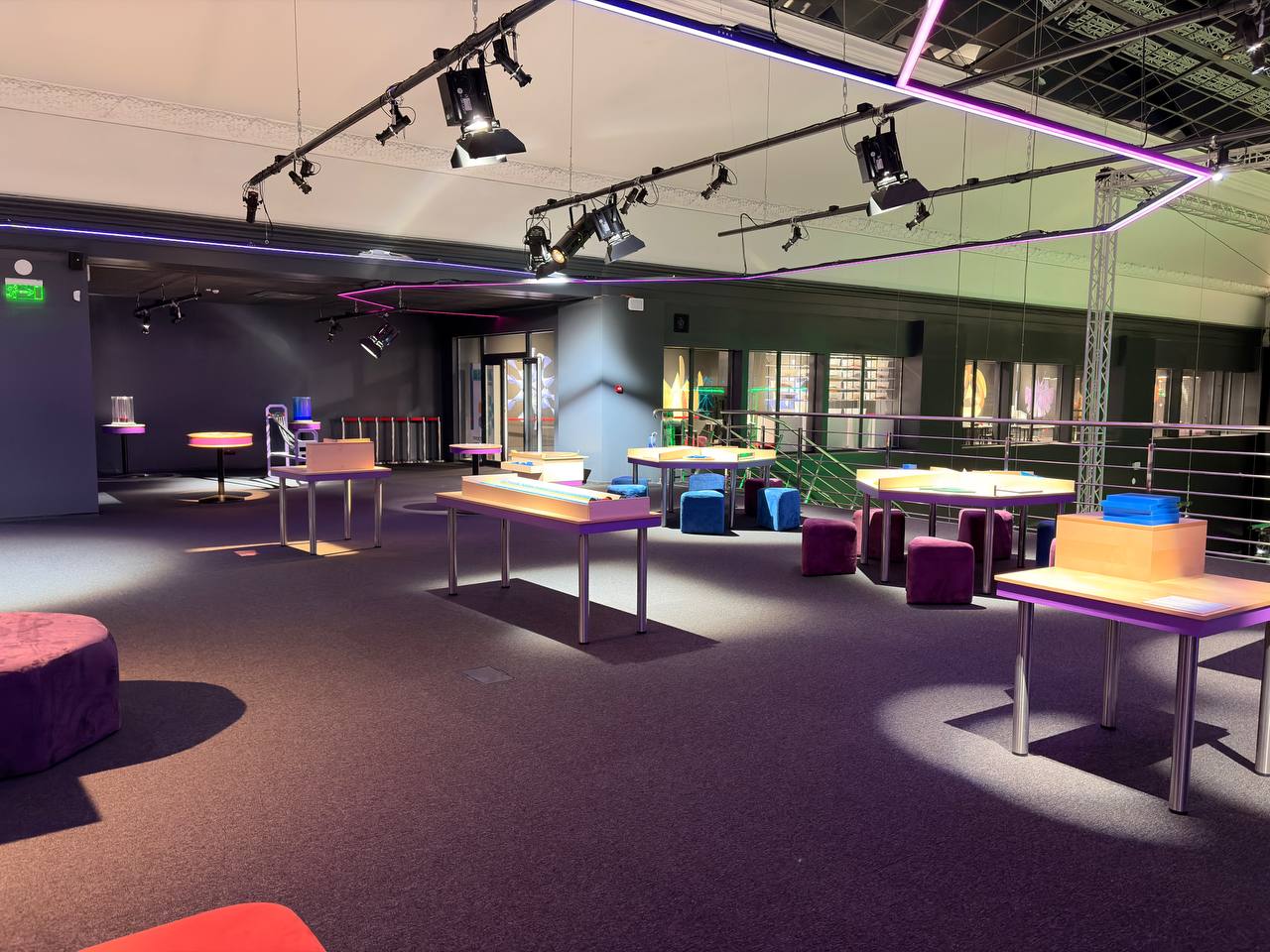
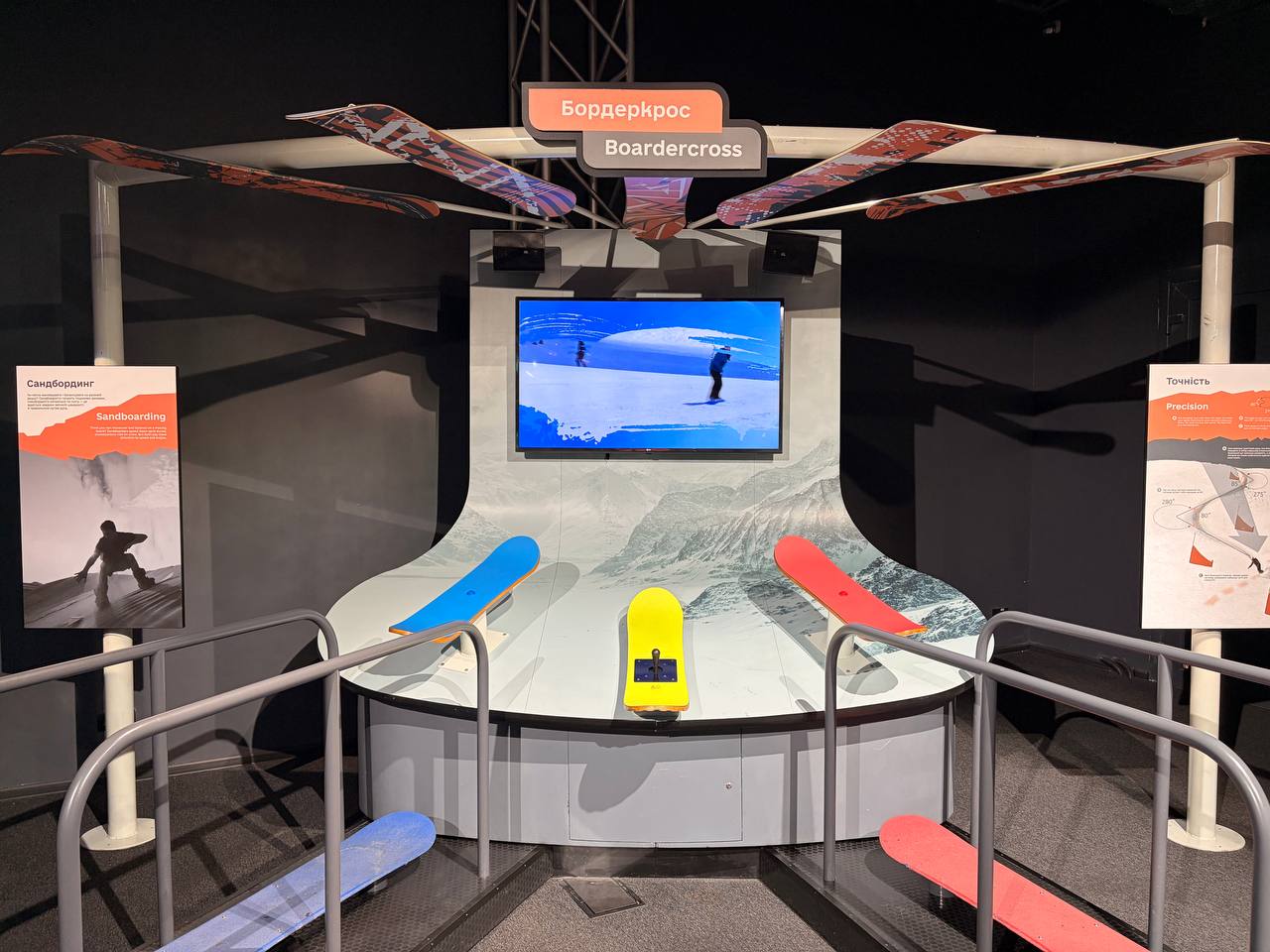
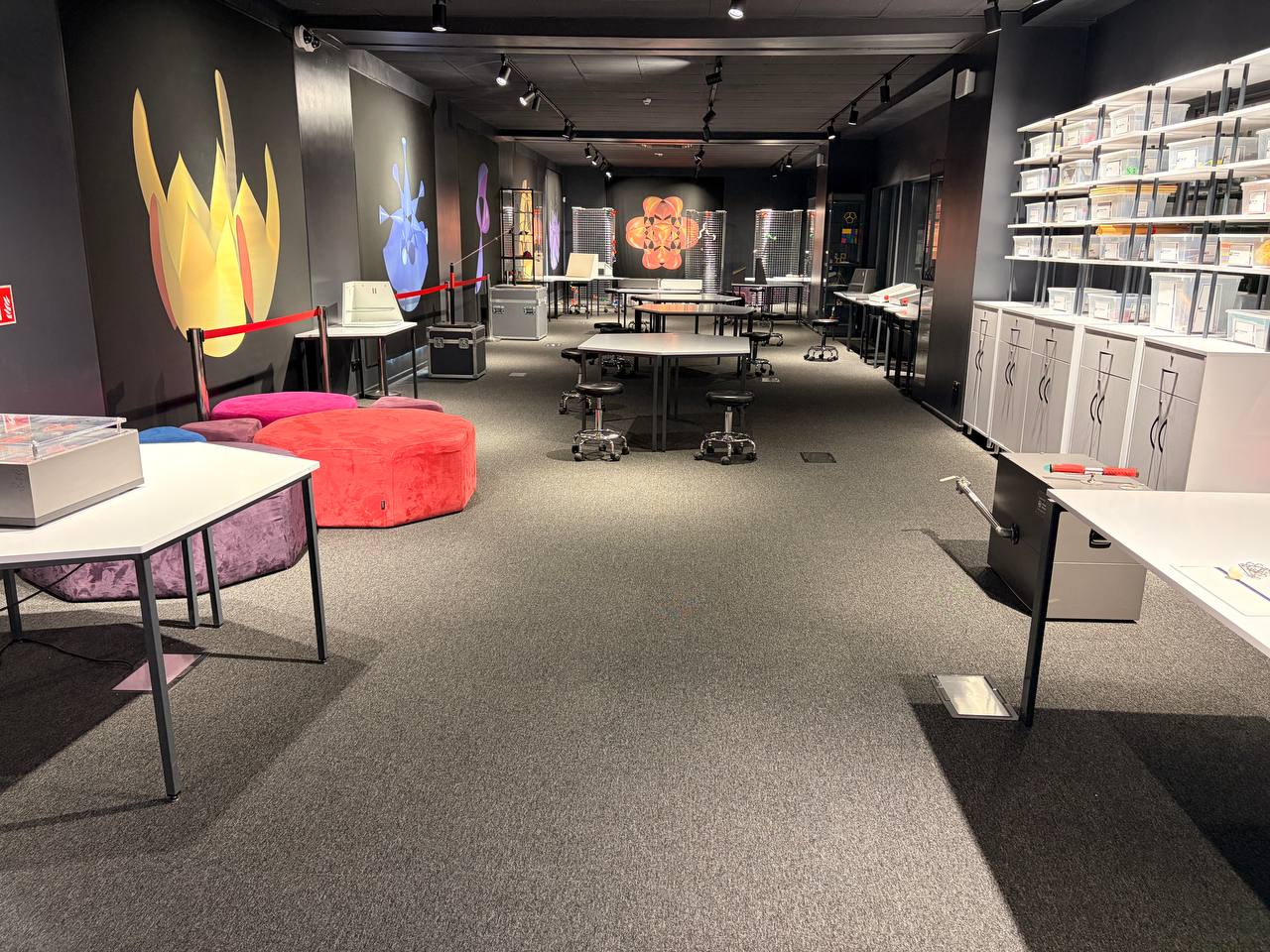
Kuboid is an interactive math museum run under the National Center “Junior Academy of Sciences of Ukraine”. The idea is simple: instead of memorized theorems, show how mathematical patterns appear in nature, technology and everyday things. Here you can watch how a pendulum swings, see the rules by which space is divided, or find out what geometry and architecture have in common. The museum took several years to create, drawing on the practice of leading science centers around the world and adapting their approaches for a Ukrainian audience. The exhibits were made by well-known manufacturers from the USA, Poland, Estonia and Germany, and each zone is built as a separate science lab. The exhibition spans two floors and is divided into eight themed spaces. Downstairs, visitors find zones on math in everyday life, the geometric order of Voronoi diagrams and the world of pendulum motion. Upstairs are spaces about mechanisms and shapes, plus zones that train creativity and quick thinking, including a set of more than thirty puzzles. The museum’s main principle is learning by doing. Every exhibit responds to what the visitor does: you can ride a virtual snowboard, design skyscrapers, draw fractals and Lissajous figures, or crack the combination to a safe. The space is open to everyone, from children aged three and up to adults, from school students to teachers.