Fomin Botanical Garden. Kyiv’s oldest garden: a 30-meter climatron, a 200-year-old palm and over 9,000 plant species
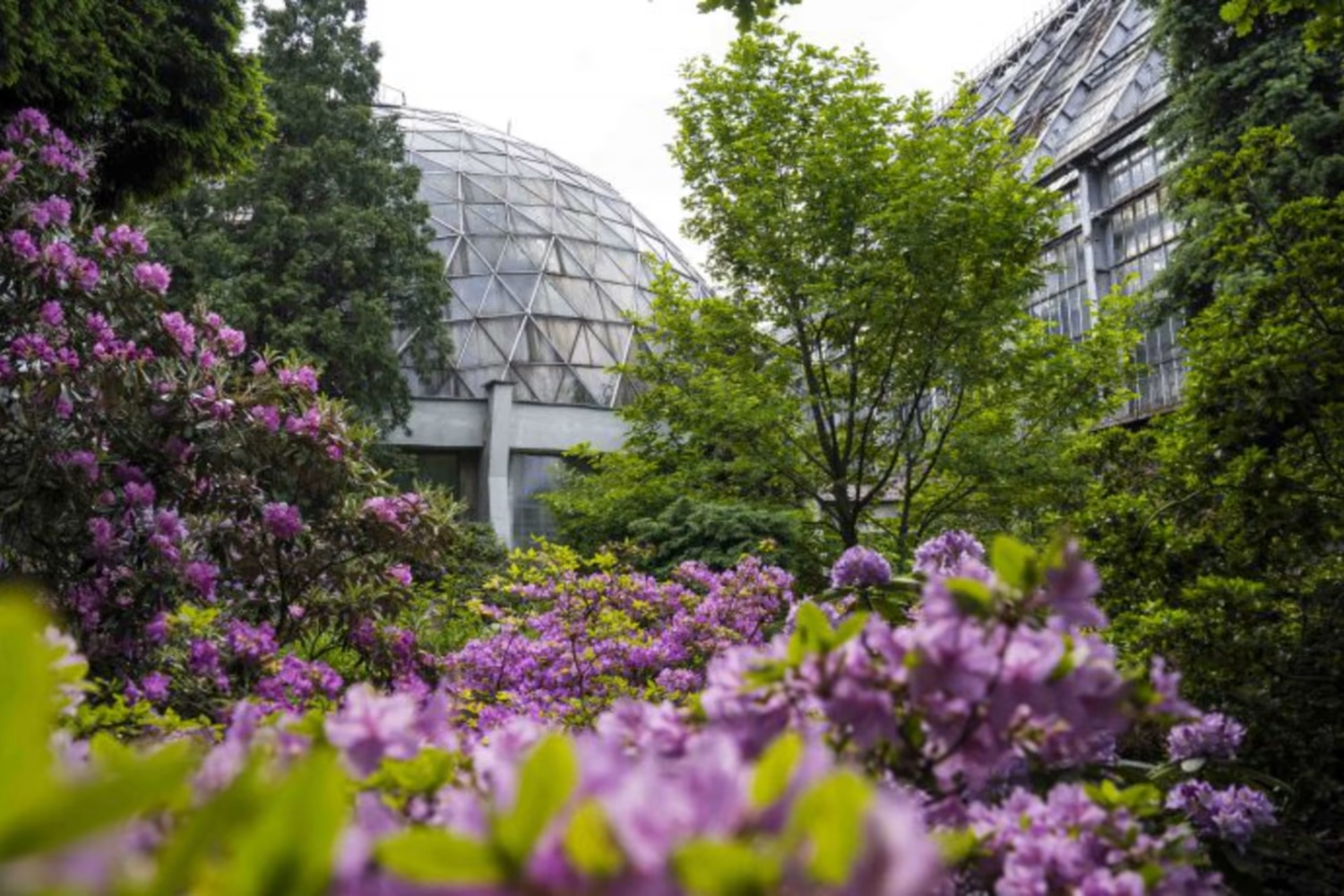
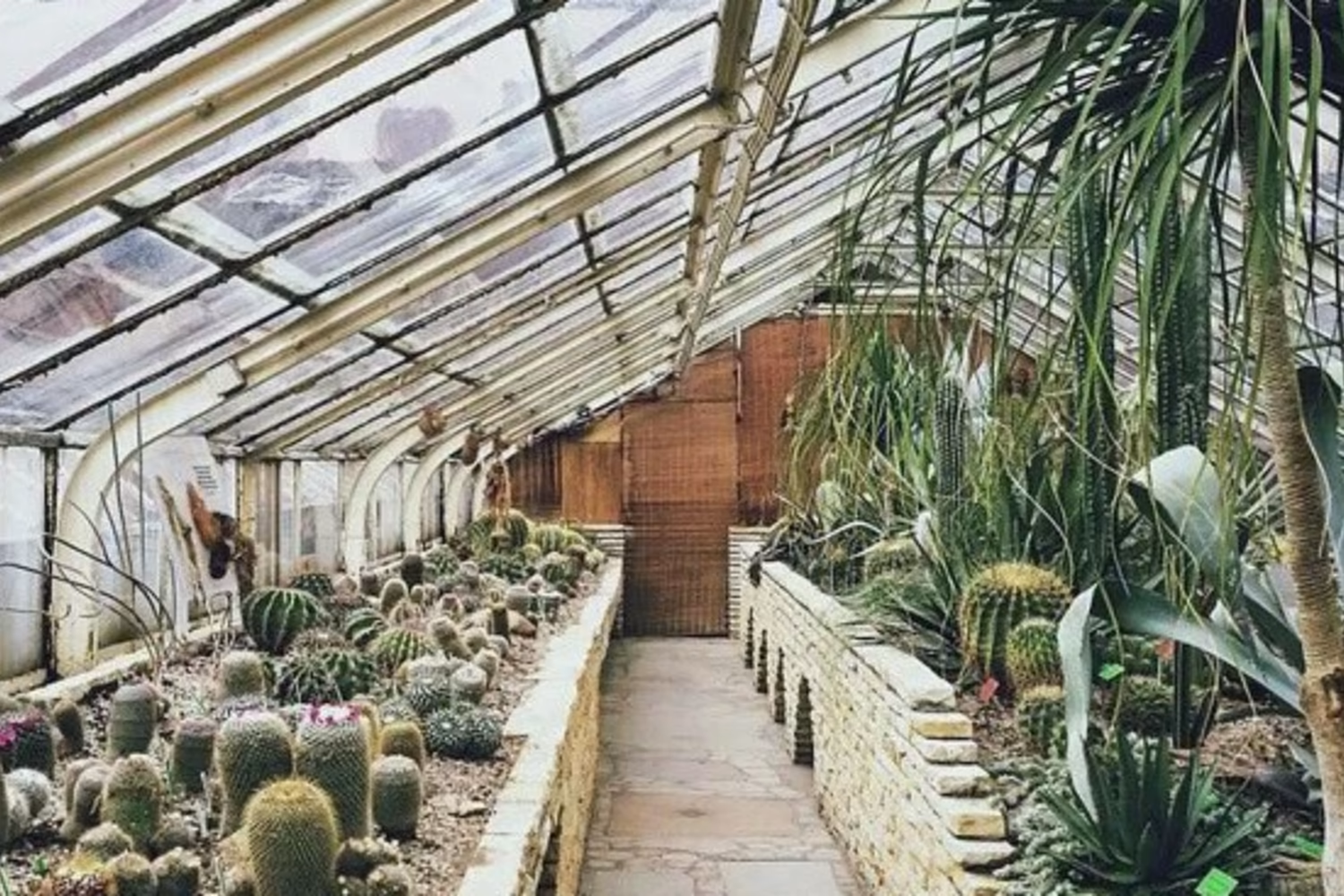
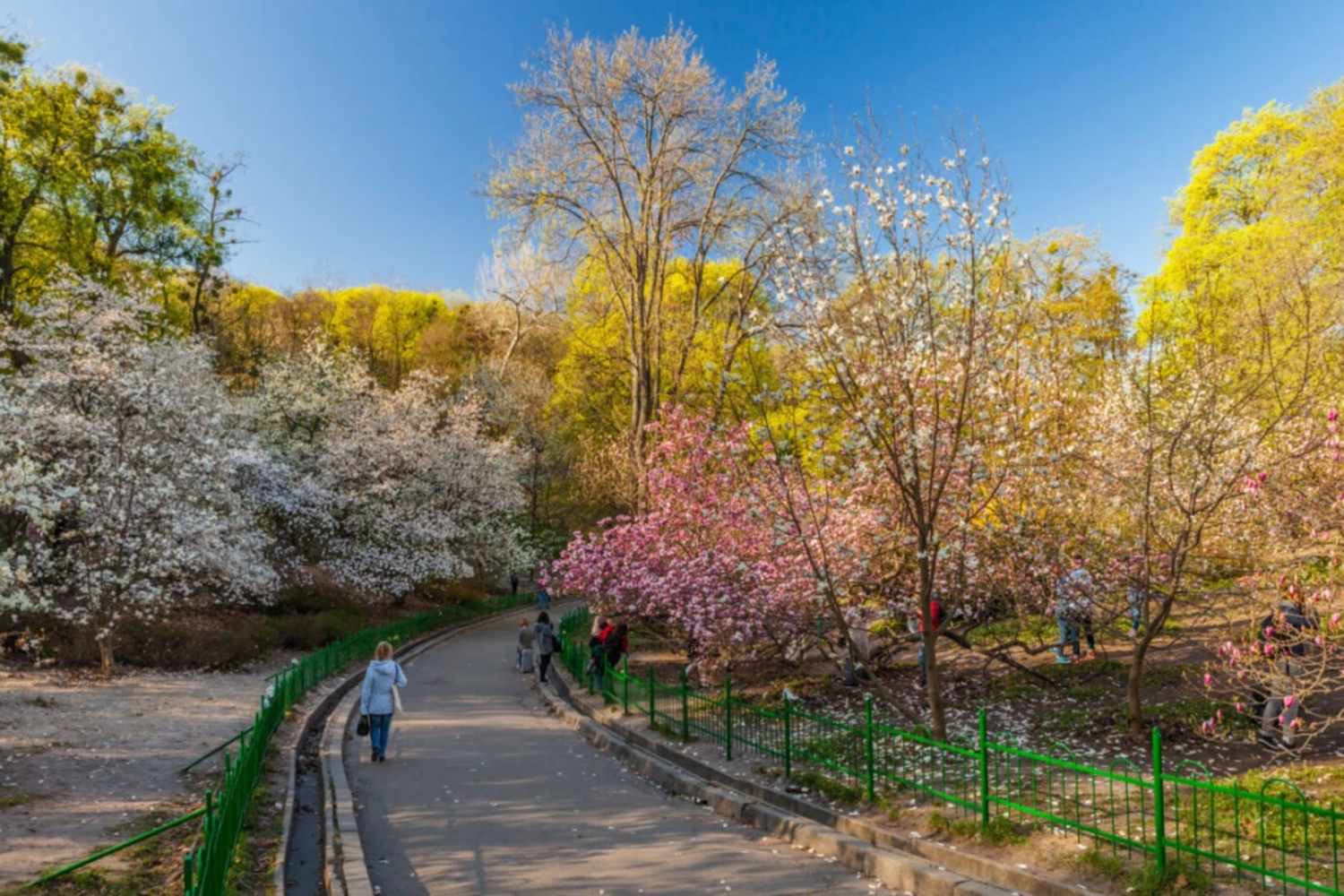
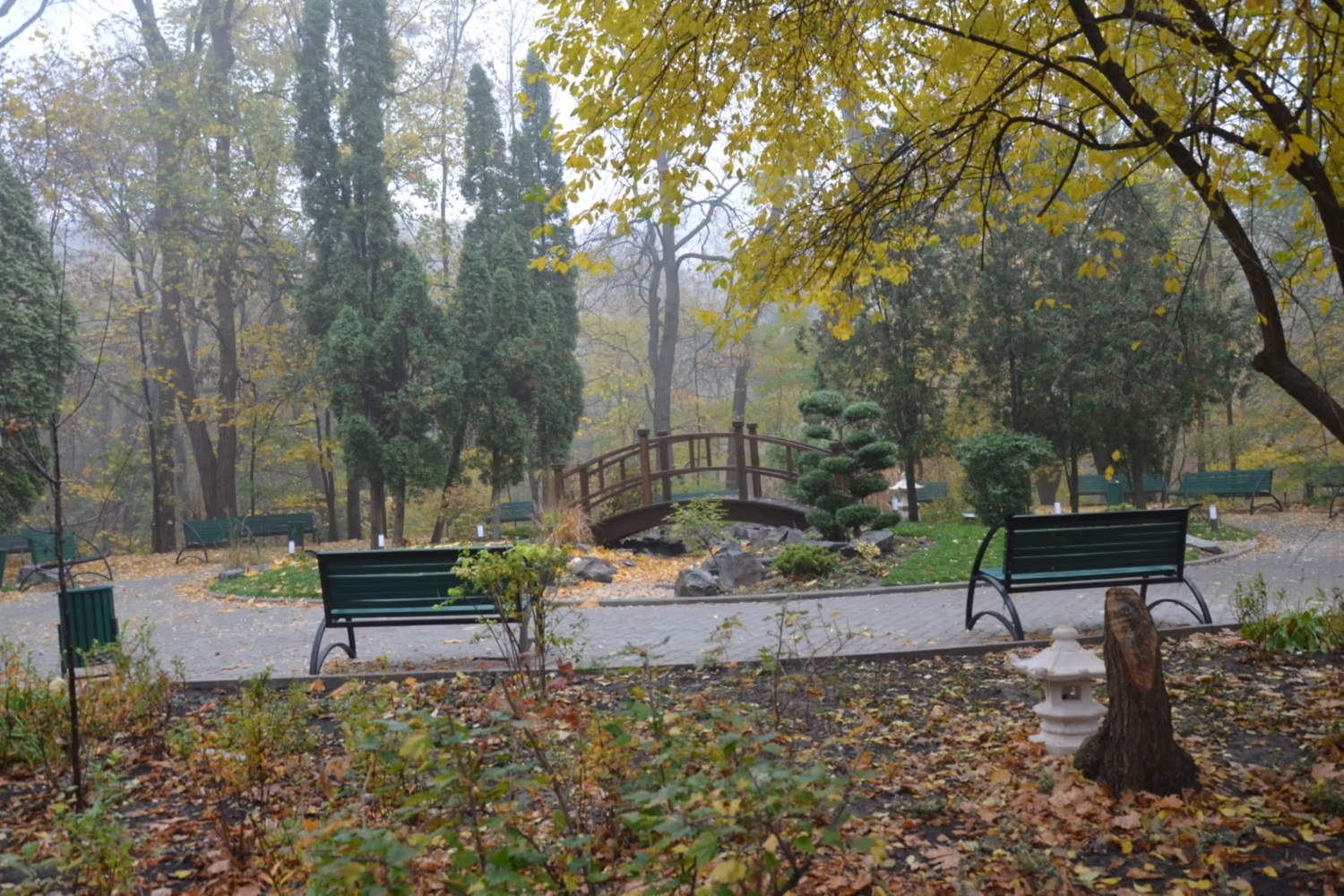
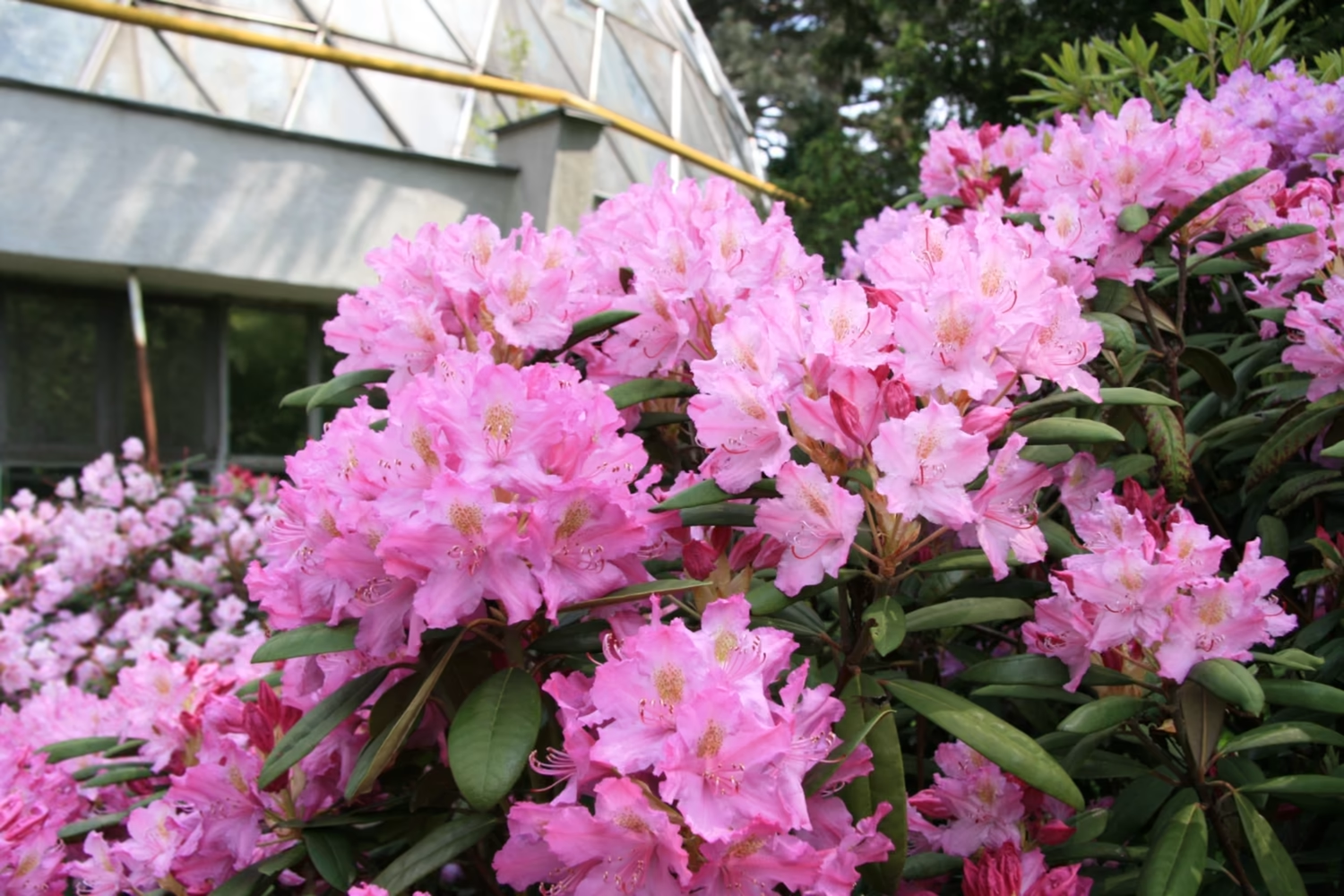
Kyiv’s oldest botanical garden, founded in 1839 to a design by architect Vincenzo Beretti. The park section is open to visit freely, while the scientific section with the greenhouses can only be visited with a guide.
Why visit
- Kyiv’s oldest botanical garden: the first plantings were made in 1839 to a design by architect Beretti
- A 30-meter climatron – the tallest greenhouse of its kind in Europe at the time it was built
- A Livistona palm over 200 years old: the oldest and tallest in Ukraine, blooming in February
- More than nine thousand plant species – from Arctic to tropical; two collections hold National Heritage status
- This is where Sergei Navashin discovered double fertilization in plants, and those trees still grow in the garden
- A magnolia garden, rhododendrons and a rock garden right in the city center, next to Universytet metro station
Good to know
Two parts of the garden – different rules
The park section is open to visit freely, and entry is free. The scientific section with the greenhouses is paid and accessible only with a guide: entering on your own is not allowed.
Entrance to the scientific section
The entrance to the scientific section is at 1 Symona Petliury St, through the metal gates. The guide meets visitors at the gates. Nearest metro station: Universytet. The plant sales point has a separate entrance at the corner of Hetmana Pavla Skoropadskoho and Nazarivska Streets.
Tours daily except Monday
Tours without booking start at 11:00, 12:00 and 14:00. Groups of 10 to 20 people can book tours at 10:00 and 15:00. Break from 13:00 to 14:00. Closed on Mondays.
Ticket – UAH 150, child – UAH 75
A tour of the scientific section costs UAH 150 for adults and UAH 75 for children under 14. Children under six go free. For a party of one to five adults there is a fixed price of UAH 600, split among everyone present.
Who gets in free
Free for children under six and for combat veterans on presentation of the relevant document. Students and staff of Taras Shevchenko National University of Kyiv can take the tours free of charge by prior arrangement with the administration.
Tour topics
A general tour of the greenhouse complex – tropical, subtropical, relict and rare plants (groups of up to 20 people). On Tuesdays and Thursdays at 11:00 there is a separate tour of the succulent greenhouses (groups of up to 10 people). There is also an outdoor tour of the woody plant collections – call to check the time.
Commercial photo and video shoots – separately
Photography for 60 minutes costs UAH 1,500, filming costs UAH 3,000. This is a separate service, not included in the tour price.
During an air-raid alert
Visiting the grounds during an air-raid alert is not allowed.
When to come for the blossoms
The Livistona palm in the climatron blooms in the second half of winter, most often in early February, for about three weeks. The magnolias and rhododendrons in the park section bloom in spring. In summer 2026, for Kyiv Day, the garden opened part of the scientific section for free walks for the first time, so keep an eye on its Instagram announcements.
Terrain and footwear
The garden spreads over 22.5 hectares with ravines and steep slopes and a height difference of almost 40 meters. Wear comfortable shoes; with a stroller, some routes will be difficult.