Bakota. The “Ukrainian Atlantis” on the Dniester: a rock-cut monastery, White Mountain and views over the bay in Podilski Tovtry National Park
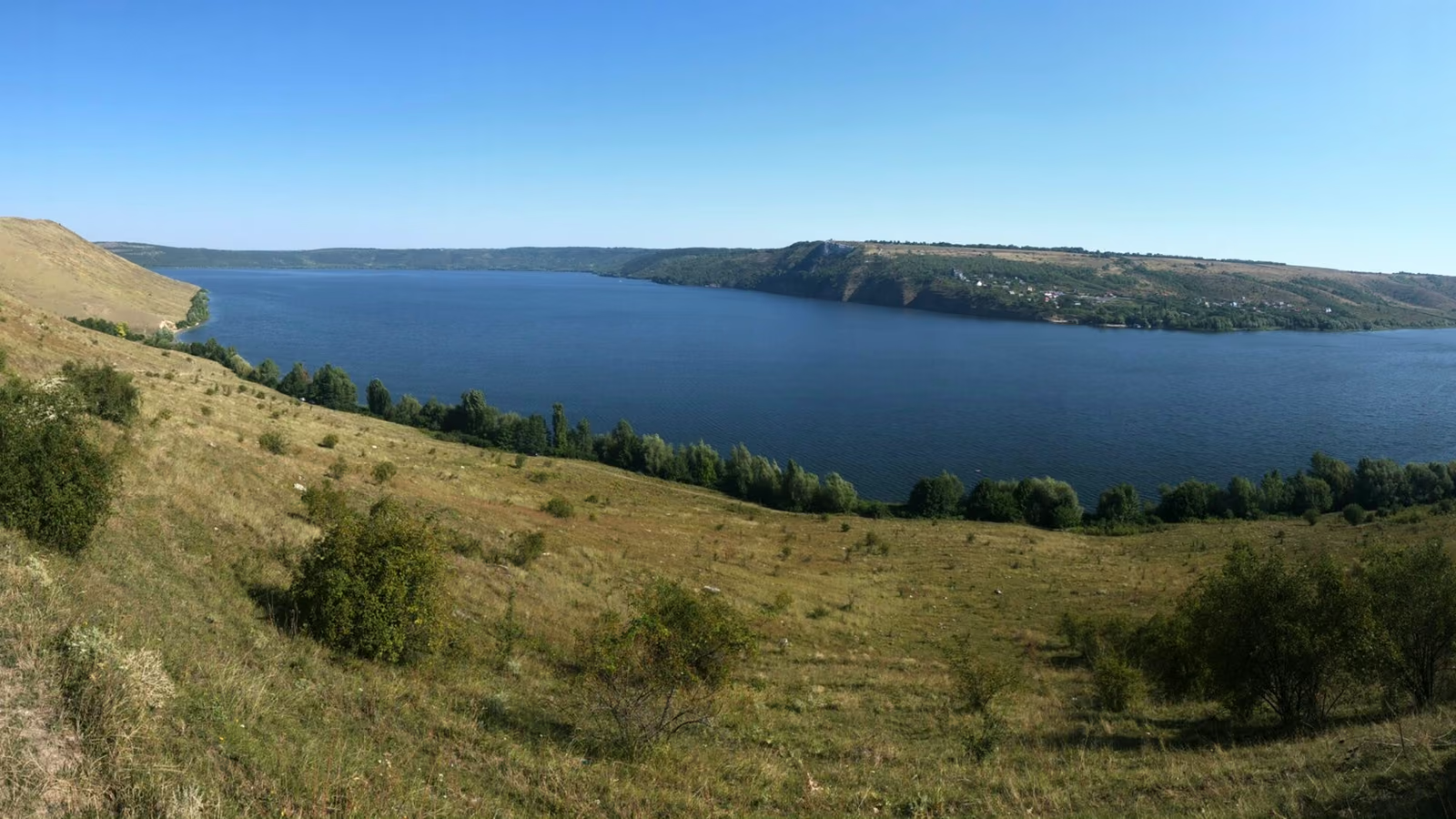
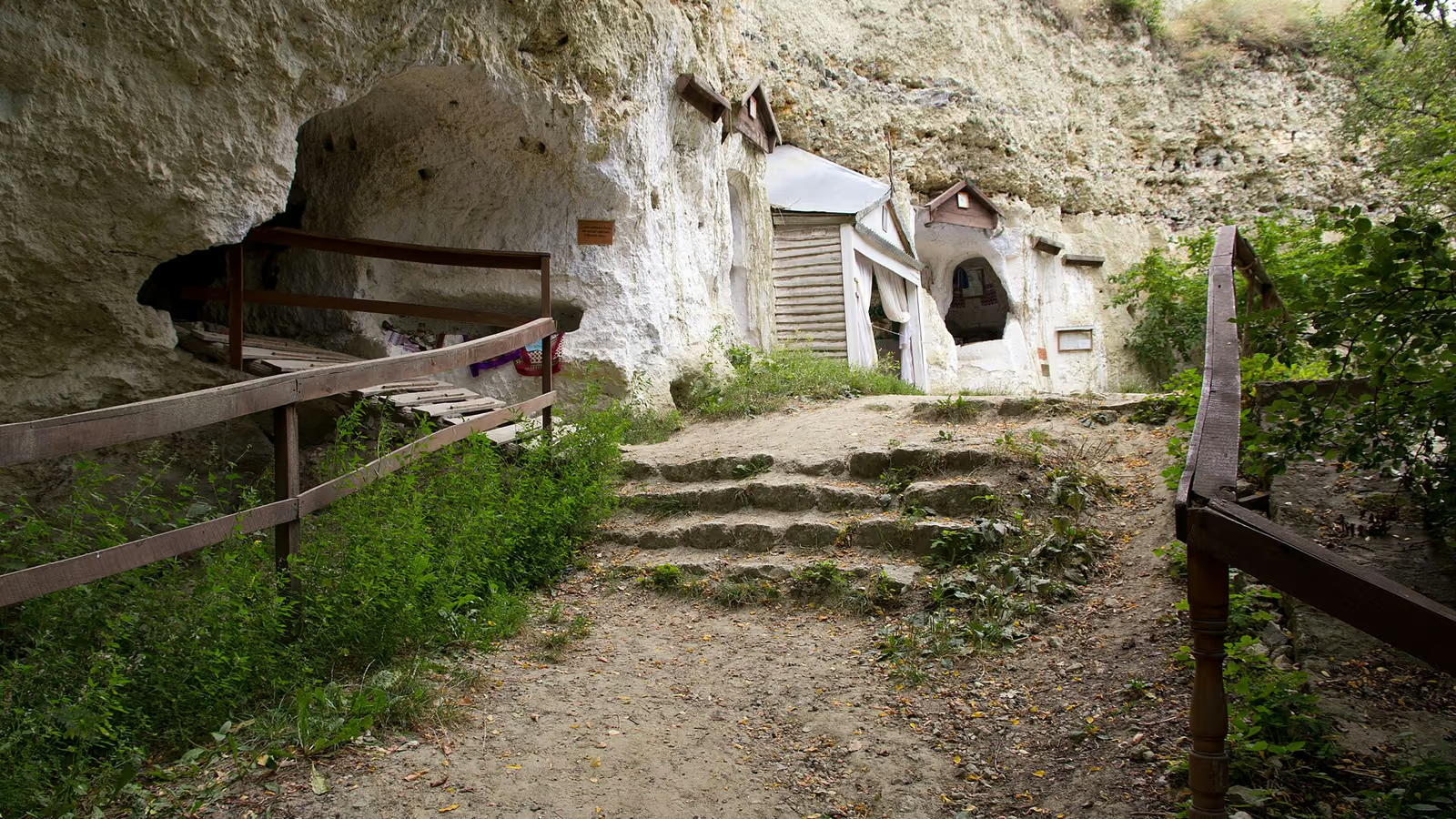
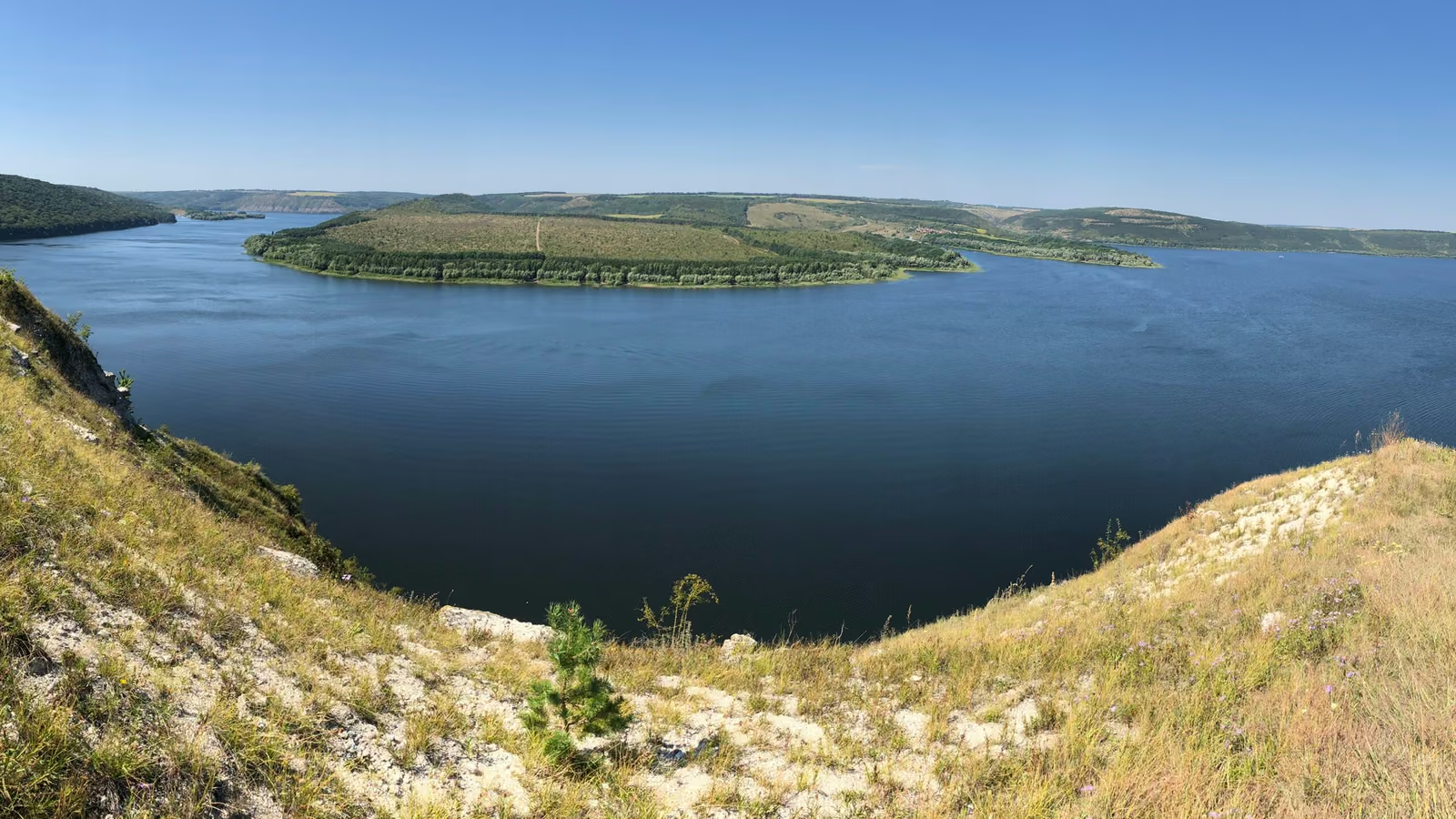
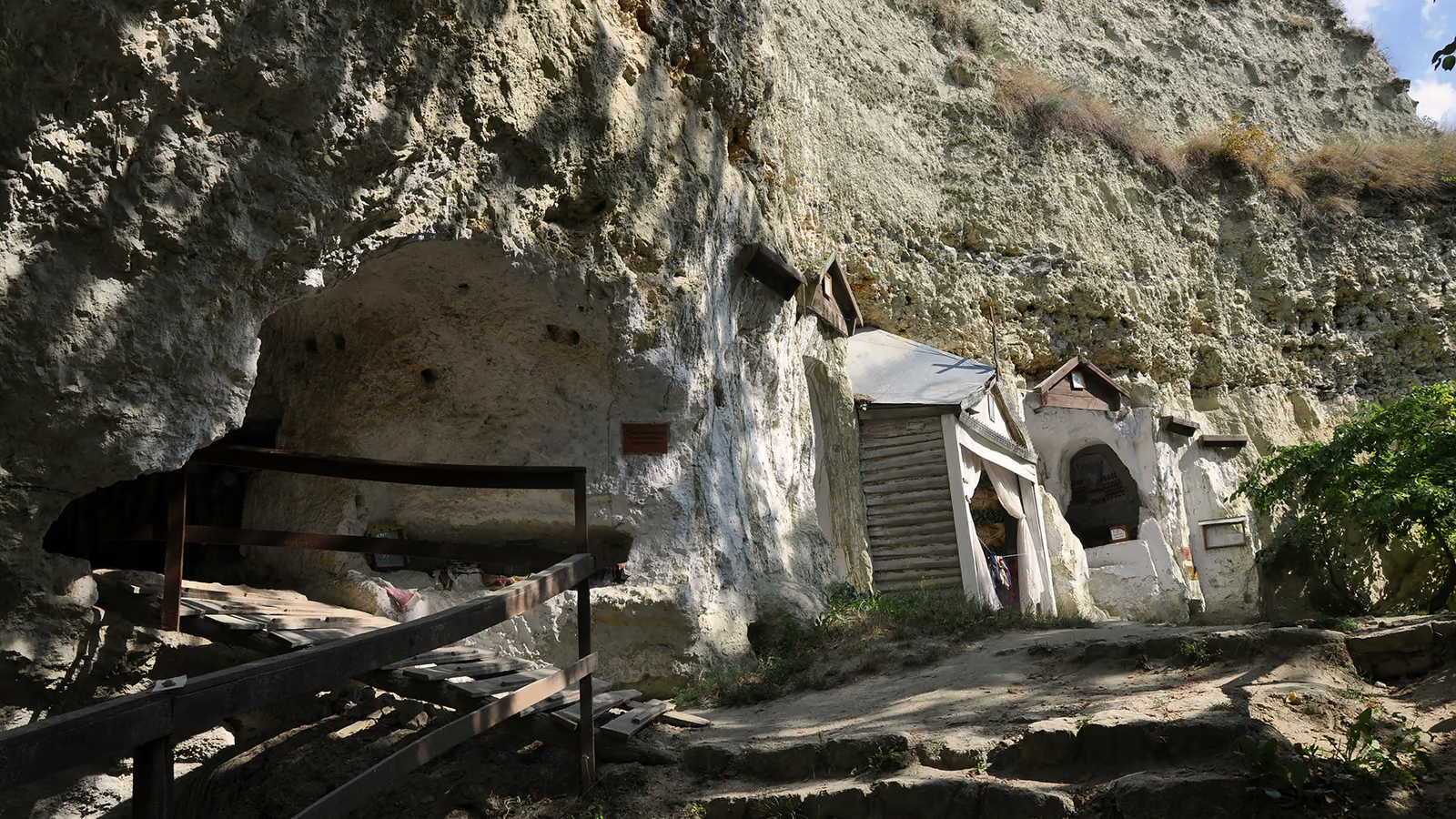
Bakota is one of the most picturesque places in Podillia: a wide bay of the Dniester among green slopes, White Mountain and a monastery carved into its rock about a thousand years ago. An ancient town once stood here – the center of the Lower Dniester region – and in the 1980s the village was flooded by a reservoir, which is why Bakota is called the “Ukrainian Atlantis”. Today it is a recreation area of Podilski Tovtry National Nature Park, 50 km from Kamianets-Podilskyi.
Why visit
- One of the most picturesque panoramas in Ukraine: a wide bay of the Dniester, islands and the slopes of White Mountain
- The 11th-century Bakota Rock Monastery, with cells carved into the cliff above the bay
- The “Ukrainian Atlantis”: an ancient town of the Lower Dniester flooded by the Novodnistrovsk Reservoir in the 1980s
- A trail from the viewpoints of White Mountain down the green slopes to the monastery caves
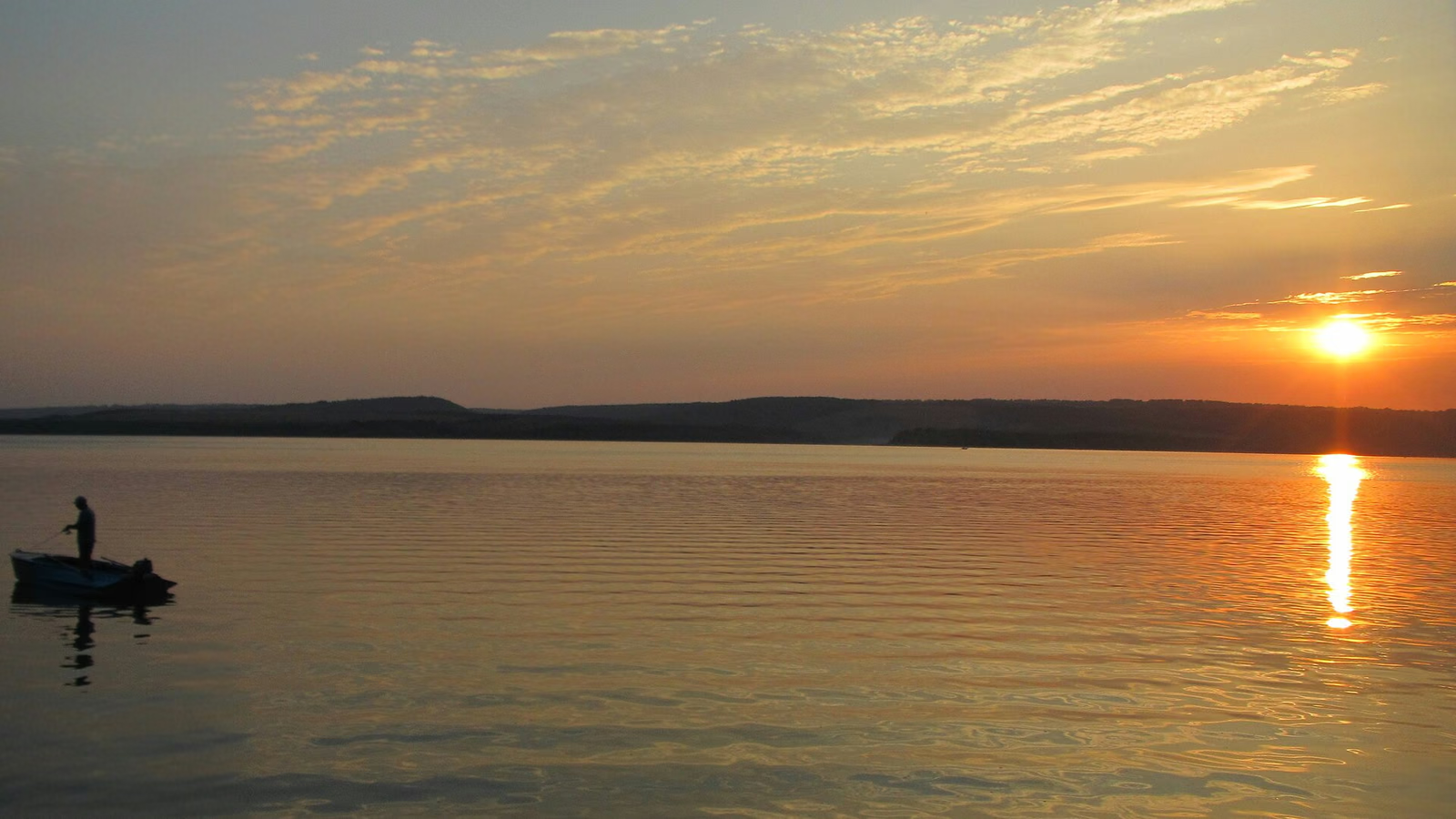
- Spots for tents, campfires and fishing on the shore – you can stay overnight
- Part of Podilski Tovtry National Nature Park, 50 kilometers from Kamianets-Podilskyi – a great day trip
Good to know
Admission
Entry to the Ancient Bakota recreation area costs UAH 90 for adults and UAH 45 for children aged 6 to 14. Use of the trails and tourist routes costs UAH 50 for adults and UAH 25 for children.
Guided tours
A two-hour tour with a national park ranger costs UAH 600 for a group of up to 10 people and UAH 750 for a group of 11 to 25 people.
Overnight stays
The area has spots for tents, campfires and recreational fishing. Pitching a tent costs UAH 40 per night.
Best photo spots
The most famous views of the bay open from White Mountain – from up high you can see the island, the bend of the Dniester and the white slopes.
Good to know
Trails and stairs lead down steep slopes to the monastery, so you will need comfortable shoes and plenty of water.
Getting there
Bakota is 50 km from Kamianets-Podilskyi. The easiest way to get there is by car or on a tour.